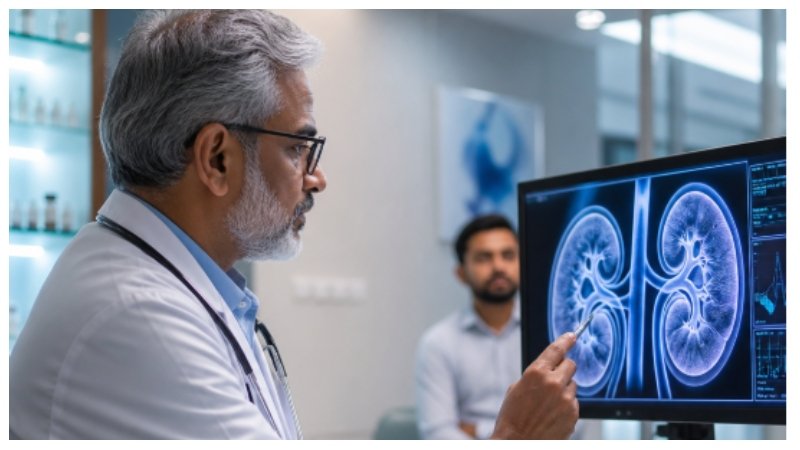
Technology and healthcare continue to move forward together. Clinics, hospitals, and private practices now rely on tools that improve how they work.
This shift is not only about using modern tools. It is about building a better and more efficient patient experience. The process allows staff to manage tasks with less stress.
Patients receive attention without long delays. Explore how these changes are shaping the way healthcare operates today.
Learn how these steps can guide better care through the sections below.
Improving Patient Scheduling and Appointments
Digital scheduling helps remove confusion in appointment booking. Patients can pick suitable time slots without waiting. Staff can easily view and adjust schedules.
Fewer missed appointments happen because reminders are automatic. This results in smoother patient flow each day. The overall experience becomes easier to manage for both staff and patients.
Streamlining Record Management
Electronic record systems store patient information in one place. These systems reduce errors caused by misplaced files. Staff can access important details faster. This improves decision-making in real time.
Security settings also help protect patient data. The clinic stays organized and efficient.
Enhancing Communication Between Staff
Better communication tools help teams share information quickly. They reduce the time spent searching for updates. Messages, instructions, and results move fast across departments.
This supports safer and quicker patient care. Teams stay aligned even on busy days. The workflow becomes steadier and predictable.
Supporting Administrative Workflows
Many administrative tasks can now be completed using automation. Billing, appointment reminders, and report generation take less time. Staff can focus more on patients.
Processes run with fewer mistakes. This reduces stress for everyone involved. A well-organized system benefits the entire operation.
Strengthening Patient Engagement
Patients today want to be more involved in their care. Digital tools help them access records and track progress. They can ask questions online and receive guidance.
This builds trust and understanding. The care journey feels more personal and supportive. It helps the patient stay informed and connected.
Integrating Management Tools for Better Oversight
Healthcare facilities use software that brings operations into one view. This makes it easier to monitor performance and resources. It also helps guide smarter planning.
Understanding what is practice management software is provides a clear idea of how these systems support clinics day by day. It brings scheduling, financials, and records together. Leaders gain better insight into how their facility functions. This leads to stronger decision-making.
Expanding Remote Care Options
Remote care tools make it easier for patients to connect with healthcare providers from home. This helps reduce travel time and waiting room delays. Providers can monitor ongoing health concerns through regular check-ins.
Patients feel supported even when they are not physically present. This approach works well for follow-up visits and routine care. It improves access for individuals in distant or underserved areas.
You Can Integrate Technology in Healthcare
Technology continues to shape how healthcare works. It helps both staff and patients move through care processes with less difficulty.
The goal is steady improvement and a more supportive environment for everyone. This path leads to better outcomes and a more organized system overall.
Should you wish to read more, visit our blog. We’ve got other topics!