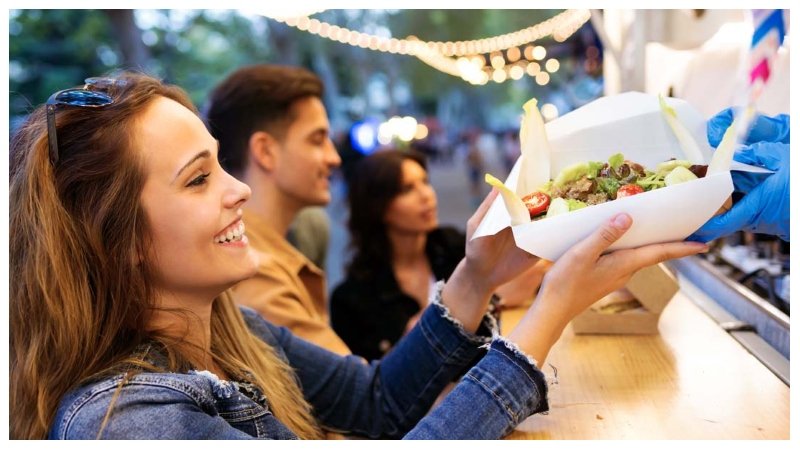
Travel reveals diverse flavors and cuisines, offering unique experiences for adventurous palates. While trying street food or fine dining abroad can be a highlight, it’s crucial to take precautions to protect your health. Learning to enjoy local flavors safely is a valuable skill. Whether for business, leisure, or discovery, unfamiliar foods challenge your habits. Simple strategies help you indulge, stay energized, and avoid issues that could disrupt your trip. The goal is balancing enjoyment with well-being, ensuring memorable travels without regrets.
Embrace Mindful Eating
Culinary travel offers seniors a rewarding way to experience the world—through flavor, culture, and connection. As Claudette Spinelli Schwartz notes, practicing mindful eating can transform the way you experience meals while traveling. By focusing on each bite and tuning into your body’s cues, seniors can better manage portion sizes, avoid overeating, and truly savor new cuisines. This awareness complements other precautions such as verifying ingredients, maintaining hydration, and respecting local dining customs. With thoughtful planning, cultural sensitivity, and mindfulness, every meal becomes both an adventure and an act of self-care. Seniors can explore global flavors safely and meaningfully—turning each dining experience into a cherished memory of discovery and well-being.
Stay Hydrated and Choose Nutritious Snacks
Travel often keeps you on the move, making hydration a priority. Thirst is frequently mistaken for hunger and can lead to unnecessary snacking. Carry a refillable water bottle and keep an eye on local recommendations regarding drinking water safety—when in doubt, opt for bottled water. Between meals, nutritious snacks like mixed nuts, fruit, or yogurt help stabilize blood sugar and keep hunger at bay. Packing these energy-boosting snacks ensures you won’t be tempted by less healthy options at airports or kiosks.
Prioritize Food Safety
Foodborne illnesses can quickly ruin a trip. Practice good hygiene, such as washing your hands or using hand sanitizer before meals. Stick to fully cooked, hot foods and be cautious of salads, unpeeled fruits, and street foods—especially in destinations where food safety can’t be guaranteed. Be cautious of tap water and ice in certain regions, opting for sealed bottled beverages and avoiding dairy products unless you’re certain they are pasteurized. For more on food safety tips for travelers, the CDC maintains a helpful resource on food and water safety abroad.
Balance Indulgence with Healthy Choices
While indulging in exotic dishes is part of the fun, balance is the foundation of well-being. Try lighter, nutrient-dense meals for breakfast or lunch if you plan to indulge in a culinary splurge for dinner. Savor local flavors in modest portions—sharing plates or tasting menus can allow you to enjoy a variety of dishes without overcommitting. Incorporate produce like local fruits and vegetables into your meals to maintain dietary fiber and vitamins, which also help keep digestion on track.
Plan for Healthy Eating
A bit of preparation can help you avoid last-minute unhealthy food choices. Research restaurants near your accommodations and read reviews that mention menu flexibility or options that cater to nutrition-conscious diners. When feasible, choose lodging with kitchen access, letting you prepare simple, wholesome meals or snacks. Visiting local grocery stores and markets not only gives you control over what you eat but also deepens your cultural experience. The Mayo Clinic guides healthy eating while traveling for more ideas.
Be Active to Support Well-being
Physical activity is easier to weave into your travel plans than you might think. Walking tours, hiking local trails, or renting bikes are great ways to see the sights while maintaining your physical health. Many destinations offer fitness-friendly attractions—consider joining a local yoga class, swimming, or even dancing at a cultural event. Activity not only helps balance extra calories but also aids in coping better with jet lag and boosts your mood during long journeys.
Listen to Your Body
It’s especially important to be in tune with your body’s signals on the road. Fatigue, jet lag, and changes to your normal diet can all signal the need for rest, hydration, or specific nutrients. If you’re feeling out of sorts, try adjusting your eating patterns with lighter meals and more fiber, or take a break to catch up on sleep. Prioritizing rest and responding promptly to signs of discomfort or illness helps you stay energized and enjoy your time away.
Conclusion
Traveling offers endless culinary adventures, but your well-being doesn’t need to be sacrificed for new experiences. By adopting mindful habits, choosing nourishing foods, practicing safety, and listening to your body, you can explore global cuisines with confidence and health. Equip yourself with these strategies to make each trip memorable for all the right reasons.
Please visit my site, Itbetterthisworld, for more details.