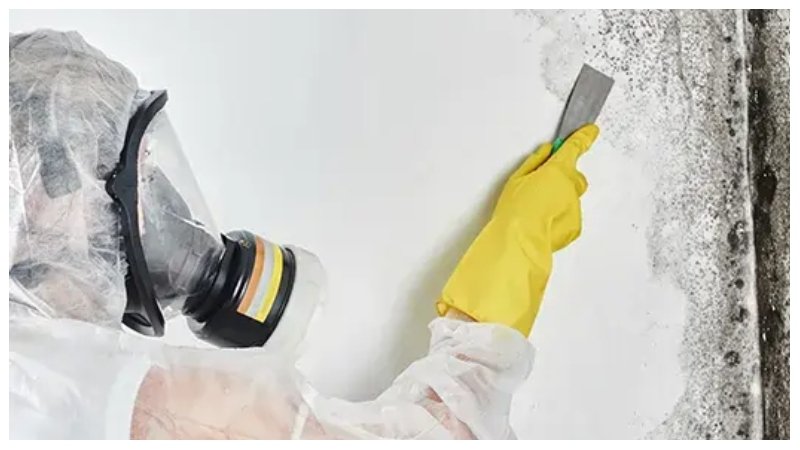
Discovering mold in your home can feel like finding an uninvited houseguest who’s overstayed their welcome, redecorated your basement in a fetching shade of black-green, and refuses to pay rent. The first question that usually pops into a homeowner’s head—right after “What is that smell?”—is “How long will it take to get rid of this?”
The answer isn’t always straightforward. Mold remediation isn’t a one-size-fits-all process. The timeline can vary from a single day to several weeks, depending on various factors. Think of it like a home renovation project: painting a small bathroom is a weekend job, but a full kitchen overhaul is a much bigger commitment.
This guide will walk you through the entire mold remediation process, from the initial inspection to the final all-clear. We’ll break down the factors that influence the timeline, explain each step involved, and give you a realistic idea of what to expect. By the end, you’ll have a clear roadmap for evicting that fuzzy, unwanted tenant for good.
What Factors Influence the Mold Remediation Timeline?
Several key variables determine the duration of the mold remediation process. A professional remediation company will assess these factors during its initial inspection to give you a more precise estimate.
The Extent of the Mold Growth
This is the most significant factor. A small patch of mold on a bathroom ceiling from poor ventilation is a much quicker fix than a basement wall covered in mold due to a long-term leak. The more widespread the mold, the more time it takes to contain, clean, and remove the affected materials. A small, contained area (less than 10 square feet) might be handled in a day. Extensive contamination that has spread through walls or into the HVAC system could take a week or more.
The Location of the Mold
Where the mold is growing matters. Mold in an easily accessible area, like under a sink, is faster to deal with than mold hidden inside walls, attics, or crawl spaces. Getting to mold in these tight, hard-to-reach spots requires more labor, including demolition and reconstruction, which adds significant time to the project.
The Type of Materials Affected
Mold can grow on almost any organic surface, but some materials are easier to clean than others. Non-porous surfaces like glass, metal, and sealed concrete can often be cleaned and sanitized relatively quickly. Porous materials, however, are a different story.
- Drywall and Insulation: These materials are like a sponge for mold. Once mold penetrates the surface, it’s nearly impossible to remove completely. In most cases, affected drywall and insulation must be cut out and replaced.
- Wood: Depending on the severity, solid wood studs or beams might be salvageable through sanding, scraping, and treatment. However, porous wood products like particleboard or MDF are usually a lost cause and need to be discarded.
- Carpet and Upholstery: Similar to insulation, these materials are extremely difficult to clean thoroughly once mold takes hold. It’s often safer and more effective to remove and replace them.
The amount of demolition and replacement required for these materials is a major contributor to the overall project duration.
The Source of the Moisture
Mold remediation isn’t just about cleaning up the existing mold; it’s about fixing the moisture problem that allowed it to grow in the first place. This could be a leaky pipe, a damaged roof, high humidity, or a foundation issue. The time it takes to identify and repair this source is a crucial part of the timeline. A simple plumbing fix might take a few hours, while repairing a foundation crack could take several days.
A Step-by-Step Breakdown of the Remediation Process
While every job is unique, the professional mold remediation process follows a standard set of steps. Here’s a look at what to expect and how long each phase typically takes.
Step 1: Inspection and Assessment (1–4 hours)
A certified mold inspector will visit your home to identify the extent of the mold growth and locate the source of the moisture. They may use moisture meters and thermal imaging cameras and even take air or surface samples for lab analysis. This initial assessment is critical for developing a detailed remediation plan and providing an accurate time estimate.
Step 2: Containment (1–4 hours)
Before any cleanup begins, the crew will isolate the contaminated area to prevent mold spores from spreading to other parts of your home. This involves:
- Sealing off doorways and vents with plastic sheeting.
- Using negative air pressure machines with HEPA filters to scrub the air and direct it outside.
This step is non-negotiable for any reputable mold remediation company and is essential for protecting your home and family.
Step 3: Mold Removal (1–3 days)
This is the core of the project. The crew will remove the mold and any materials that have been contaminated beyond repair.
- Cleaning: Non-porous or semi-porous materials are cleaned with antimicrobial agents.
- Demolition: Porous materials like drywall, carpet, and insulation are carefully cut out, bagged, and disposed of according to regulations.
- HEPA Vacuuming: High-efficiency particulate air (HEPA) vacuums are used to capture any remaining mold spores from the surfaces.
The duration of this step depends entirely on the factors mentioned earlier—the size of the area, location, and materials involved. A small bathroom job might take a few hours, while a fully contaminated basement could take several days of intensive work.
Step 4: Drying (2–5 days)
After the mold is gone and the moisture source is fixed, the area must be thoroughly dried. Any lingering moisture will just invite mold to return. The remediation team will use industrial-grade dehumidifiers and air movers to dry out the space completely. This can take several days, as it’s crucial to reach the target moisture level in wood, concrete, and other structural materials. Rushing this step is a recipe for disaster.
Step 5: Encapsulation and Post-Remediation (1 day)
Once the team confirms that the area is dry and clean, they may apply a special sealant or encapsulant to any cleaned materials that still face a risk of future growth (such as wood studs). This step helps prevent mold from returning.
Afterward, a third-party inspector usually conducts a post-remediation verification, also called a clearance test. The inspector takes air and surface samples to confirm that the team removed the mold correctly and that the area is safe. This independent check verifies that the job meets proper standards.
So, what’s the final timeline?
Let’s put it all together. Here are some general timelines you can expect for different mold remediation scenarios:
- Small, Contained Area (e.g., under a sink, small bathroom patch): 1 to 3 days. This typically involves minimal demolition and a straightforward cleaning and drying process.
- Medium-Sized Area (e.g., a larger section of a basement wall, attic mold): 3 to 7 days. This timeline accounts for more extensive material removal, a longer drying period, and potential repairs.
- Large or Complex Project (e.g., widespread contamination in multiple rooms, HVAC system): 1 to 3 weeks. These projects require significant demolition, extensive cleaning, and a lengthy drying phase, and often involve reconstruction work to restore the home.
Remember, these are estimates. The final phase—reconstruction—is often handled separately and will add to the overall time your home is under repair.
Restoring Your Home and Peace of Mind
Dealing with mold can be a stressful experience, but understanding the remediation process can help ease some of that anxiety. The key is to work with a certified, reputable company that follows industry standards and doesn’t cut corners. While it might be tempting to opt for a quick, cheap fix, a proper mold remediation job ensures the problem is gone for good, protecting both your property and your health.
If you suspect you have a mold problem, don’t wait. The sooner you address it, the smaller the problem will be—and the faster you can get your home back to being the safe, healthy sanctuary it’s meant to be.
Please visit my site, Itbetterthisworld, for more details.