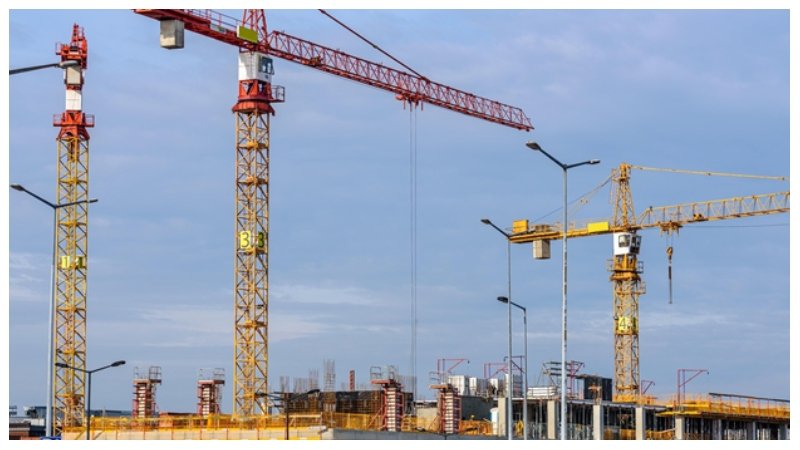
Construction companies deal with tight schedules, changing conditions, and a steady movement of people and materials. On-site efficiency becomes one of the strongest indicators of how smoothly a project progresses. Clear planning, organized workflows, and dependable systems help teams avoid delays and confusion.
Practical adjustments also shape how crews communicate, handle materials, and use equipment throughout the day. The following sections focus on actionable improvements that support faster progress, steadier coordination, and more consistent results on any construction site.
Strong Planning and Clear Daily Workflows
Planning forms the foundation for efficient operations. Teams work better when they understand what must be accomplished before the day begins, and leaders gain more control when they set realistic expectations. Daily briefings help identify priorities, potential obstacles, and responsibilities for each crew member. A short, structured conversation at the start of the shift prepares everyone for the tasks ahead.
Clear workflows also remove unnecessary steps that slow down progress. Tasks should move in a sequence that supports steady advancement rather than sudden stops. Crews stay focused when instructions are simple, consistent, and easy to follow.
Reliable Systems for Material Handling and Storage
Material movement can either support progress or disrupt it. Sites operate more efficiently when everything has a designated place, and workers know exactly where to find what they need. Scattered materials create delays, especially during busy periods when several tasks overlap.
Choosing to buy storage containers can simplify on-site material handling, especially when quick access and better organization are priorities. Containers also introduce a sense of order, since tools and supplies remain protected and easy to reach throughout the day. A well-planned storage layout reduces clutter, shortens walking distances, and encourages crews to follow consistent habits when storing or retrieving materials.
Skilled Workforce Supported with Practical Training
Efficiency depends heavily on worker capability. Crews perform faster when they understand the tools, equipment, and procedures involved in each task. Training sessions should focus on practical skills that match current site conditions. Workers respond well to demonstrations, simple explanations, and hands-on learning.
Experienced supervisors also play a major role. Their guidance helps new workers settle into routines that support productivity. Teams benefit from leaders who clarify instructions and watch for mistakes that could turn into larger issues later. A workforce that receives regular support becomes more confident, precise, and dependable on the job.
Productive Use of Technology on Site
Practical technology strengthens communication and reduces unnecessary delays. Tools such as scheduling platforms, digital checklists, and field reporting apps help teams share updates quickly. These systems keep everyone informed, especially when conditions change or tasks shift during the day.
Digital tools also support accurate recordkeeping. Supervisors can track progress, assign duties, and confirm completion without leaving critical areas of the site. Simple upgrades, such as mobile devices for foremen or QR labels for inventory, create immediate improvements without overwhelming the crew.
Equipment Readiness and Maintenance Routines
Equipment that works reliably contributes to smoother operations. Crews lose valuable time when machines break down or tools malfunction during an active task. Routine checks at the start of each day help identify problems before work begins. Quick inspections ensure that everything is fueled, charged, and ready for use.
Maintenance routines should be straightforward and consistent. Minor repairs handled early prevent larger disruptions later. Leaders also benefit from keeping a basic log that tracks the condition of essential equipment.
Smooth Coordination Between Teams and Subcontractors
Construction sites rely on steady communication between multiple groups. Each team moves at its own pace, yet every task affects the next stage of the project. Coordination becomes much easier when everyone follows the same schedule and understands how their work fits into the overall plan. Leaders gain better control when updates are shared promptly, especially when timelines shift or additional support is required.
A simple meeting at key points during the week helps align expectations. These check-ins allow teams to flag concerns before they interfere with progress. Subcontractors also benefit from clear direction, since they often depend on other crews to finish a step before beginning their own. A designated point person strengthens coordination by gathering updates, answering questions, and keeping communication consistent.
Safe Site Layouts That Support Fast Progress
An efficient construction site always balances safety with speed. A well-organized layout helps workers move confidently through the space without unnecessary stops or detours. Pathways should remain open, visible, and free of debris. When workers can move materials or reach equipment without obstacles, progress becomes more predictable.
Clear signage, marked zones, and proper lighting also guide movement across the site. These simple details prevent confusion and reduce the chance of accidents that could halt operations. Teams should revisit the layout whenever new activities begin, since evolving conditions often require small adjustments.
Continuous Monitoring and Adjustments During the Project
Consistent monitoring helps leaders identify small issues before they disrupt progress. Construction sites change quickly, so regular evaluations provide clarity on what is working well and what needs attention. Short inspections throughout the day help confirm that teams follow procedures, equipment remains functional, and materials stay organized.
Adjustments made early prevent larger delays later. Leaders who respond quickly to challenges keep the project on track. Feedback from workers also helps reveal inefficiencies that may not be obvious from a distance. Their insight supports practical improvements that strengthen overall performance. A cycle of monitoring, feedback, and adjustment creates momentum and allows teams to maintain a steady pace throughout the project.
Construction companies can significantly improve on-site efficiency through consistent planning, clear communication, and structured processes. Each strategy discussed plays a direct role in shaping how smoothly a project progresses. Teams work faster when expectations are defined, materials are organized, and the workflow remains predictable.
Strong coordination between crews and subcontractors keeps every stage aligned. A safe layout guides movement across the site, and steady monitoring helps correct issues before they escalate. These improvements may appear small at first, yet each one contributes to a site that functions with greater clarity and confidence.
Please visit my site, Itbetterthisworld, for more details.