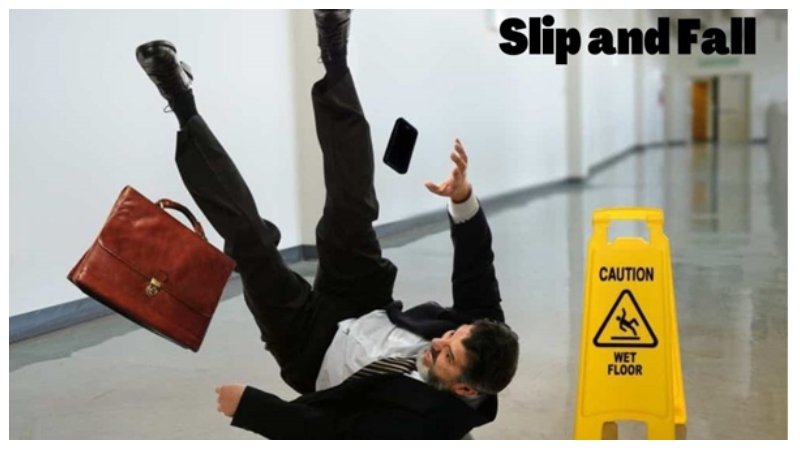
St. Petersburg, Florida, is a vibrant city known for its sunny weather, beautiful beaches, cultural attractions, and bustling commercial districts. With a large number of businesses, restaurants, shopping centers, and public spaces, residents and visitors are constantly moving through areas where slip and fall accidents can occur.
These accidents may seem minor at first, but they can lead to serious injuries that require medical attention and compensation. Anyone injured in such a situation should consider consulting a St. Petersburg slip and fall accident lawyer to understand their rights and legal options.
Slip and fall cases are a common form of personal injury claim, but establishing liability is not always straightforward. Property owners have a responsibility to maintain safe conditions, and understanding how liability works is key to pursuing a successful claim.
What is Liability in Slip and Fall Cases?
Liability in slip and fall cases refers to the legal responsibility of a property owner or manager for injuries that occur on their property due to unsafe conditions. To establish liability, it must be shown that the property owner knew or should have known about the hazard and failed to take reasonable steps to prevent it. This includes maintaining floors, walkways, staircases, and other areas, as well as warning visitors of potential dangers.
Property owners are generally expected to act reasonably to prevent accidents. If they neglect maintenance, fail to repair hazards, or do not post adequate warnings, they may be held responsible for injuries sustained by individuals on their property.
Common Situations Leading to Liability
Several situations frequently result in slip and fall accidents:
- Wet or slippery floors, often from spills or recent cleaning
- Uneven surfaces, broken tiles, or cracked sidewalks
- Poorly lit areas or obstructed pathways
- Icy or wet outdoor conditions without proper precautions
- Defective handrails or stairs
In each case, determining whether the property owner acted reasonably is a key factor in establishing liability.
Proving Liability
Proving liability in a slip and fall case requires gathering evidence to show that the property owner was negligent. This may include:
- Photographs of the hazardous area
- Surveillance video or witness statements
- Maintenance records or cleaning logs
- Medical reports showing the extent of injuries
An experienced slip and fall accident lawyer can collect and preserve this evidence, ensuring that the case stays strong and that they address all potential liability issues.
Comparative Negligence in Florida
Florida follows a comparative negligence system, which means that the injured party’s own actions can affect the compensation they receive. If a person shares partial responsibility for the accident, the court may reduce their recovery proportionally. For example, if someone becomes distracted and fails to notice a wet floor, the court may lower their award based on their percentage of fault. A skilled attorney can evaluate these factors and build a case that maximizes potential compensation.
Why Legal Representation Matters
Slip and fall cases often involve insurance companies and legal technicalities that can be difficult for someone to navigate alone. Hiring a slip and fall accident lawyer ensures that victims receive proper guidance, have their injuries thoroughly documented, and can pursue the full compensation they deserve for medical bills, lost wages, and pain and suffering.
Key Takeaways
- Slip and fall accidents are common in public and private spaces and can result in serious injuries.
- Liability is based on whether the property owner acted reasonably to prevent accidents.
- Common hazards include wet floors, uneven surfaces, poor lighting, and defective handrails.
- Evidence such as photos, witness statements, and maintenance records is essential to prove liability.
- Florida’s comparative negligence laws can reduce compensation if the injured party shares some fault.
- Working with a slip and fall accident lawyer increases the likelihood of receiving fair compensation and navigating the legal process effectively.