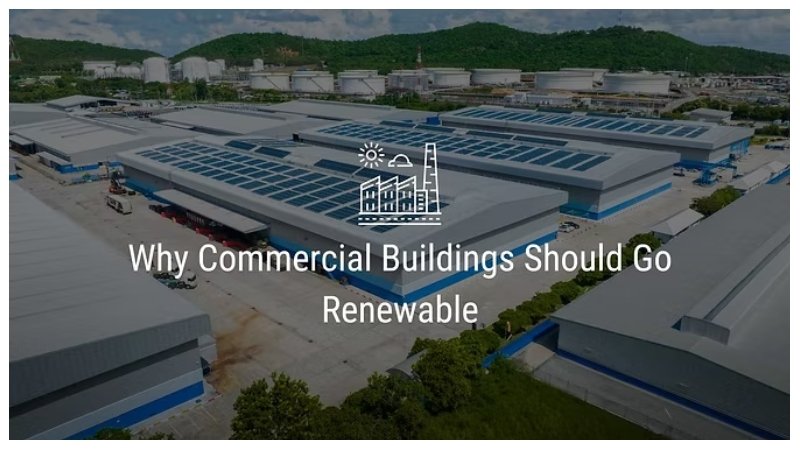
The commercial building landscape is rapidly evolving as clean energy technologies are increasingly embedded in how structures are designed, operated, and maintained. Increasingly, building owners are driven not just by regulatory requirements and environmental concerns but also by economic incentives and the competitive advantage that sustainable, efficient buildings deliver. The rise of transformative companies like Radian Generation exemplifies how advanced energy management and innovation can empower commercial real estate to make significant strides toward sustainability.
As global pressure mounts to dramatically cut carbon emissions, commercial facilities are uniquely positioned to lead by example. With buildings contributing about 40% of worldwide energy use and over a third of total carbon dioxide emissions, there is ample opportunity for improvement. The integration of renewable generation, smarter control systems, and more efficient materials makes a compelling case for investing in green technologies that don’t just promise a future return—they deliver immediate operating and reputational benefits.
By embracing these changes, industry leaders in commercial construction and property management are building not only for efficiency and environmental stewardship but also for long-term economic resilience. Clean technologies are unlocking new ways to cut costs, attract tenants, and ensure regulatory compliance, while elevating the comfort and health of building occupants.
A fresh generation of technology is catalyzing this shift, from photovoltaics woven directly into the building envelope to AI-powered HVAC systems that predict and adapt to occupant needs in real time. The following sections explore key innovations and practical case studies that illustrate how commercial real estate is forging a cleaner, smarter path forward.
Introduction
According to a recent report by the World Economic Forum, commercial buildings remain a major driver of global energy consumption and carbon output, accounting for roughly two-fifths of energy demand and more than a third of carbon dioxide emissions worldwide. As a result, the commercial real estate industry is under growing pressure—from policymakers, investors, and tenants alike—to rapidly decarbonize existing properties and future developments alike.
Building-Integrated Photovoltaics
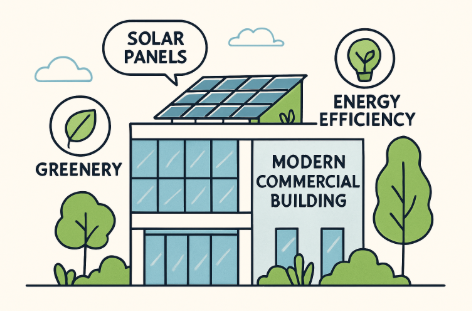
Among the most exciting advances is the adoption of Building-Integrated Photovoltaics (BIPV). Unlike traditional rooftop solar panels, BIPV systems are engineered directly into the building’s architecture—whether in the form of solar roofing, solar facades, or photovoltaic glass—offering a visually seamless means to generate renewable electricity onsite. This innovation enables buildings not only to produce clean energy but also to showcase sustainability as a core design feature, boosting both curb appeal and environmental credentials.
These integrated systems help offset peak power demands and, in some cases, can supply surplus power to the local grid. As a result, BIPV offers long-term energy cost savings while supporting local energy resilience—a major draw for forward-looking commercial developers and property managers.
Geothermal Heating and Cooling
Geothermal heating and cooling systems take advantage of the earth’s relatively stable subterranean temperature to efficiently regulate indoor climates. By circulating a liquid through underground loops, these systems absorb or dissipate heat according to the season. Compared to conventional HVAC systems, geothermal solutions can slash heating and cooling energy consumption by up to 70%, resulting in significant reductions in operational expenditures and carbon emissions.
Their reliability, longevity, and low maintenance requirements are leading more commercial project teams to consider geothermal as a baseline building system rather than a niche renewable option.
Smart HVAC Systems
HVAC systems are traditionally among the largest energy consumers in any commercial facility. The latest generation of smart, connected HVAC technology addresses this challenge head-on by employing sensors, machine learning, and real-time analytics. These systems can intelligently adjust heating, cooling, and ventilation based on occupancy patterns, weather forecasts, and even predicted tenant needs.
According to JLL, smart HVAC can reduce overall building energy use by 20-30%, with the added benefit of supporting tenant comfort and enhancing indoor air quality. As local codes get stricter and energy costs rise, the business case for smart systems grows stronger each year.
Energy-Efficient Building Materials
The structure and envelope of a building play a decisive role in the amount of energy required for heating and cooling. Forward-thinking commercial projects are increasingly turning to advanced materials, such as low-emissivity (low-e) glazing and cross-laminated timber, to slash energy loss and boost sustainability. Low-e glass minimizes unwanted heat transfer, reducing both summer cooling and winter heating loads. Cross-laminated timber offers remarkable strength and carbon sequestration, providing an attractive alternative to steel and concrete.
Many of these materials contribute to higher green building certifications and can enhance the occupant experience by optimizing natural lighting and improving thermal comfort.
Conclusion
Clean energy innovation is transforming commercial buildings from passive consumers into dynamic energy producers and stewards of environmental progress. Core technologies like BIPV, geothermal, smart HVAC, and next-generation materials are moving beyond showcase buildings and quickly becoming the norm. As stakeholders recognize the operational, financial, and reputational rewards, the accelerated adoption of these innovations marks a pivotal shift towards net-zero commercial real estate, benefitting not only owners and tenants but society at large.
Please visit my site, Itbetterthisworld, for more details.