
Engaging in daily puzzles isn’t just an enjoyable pastime; it’s a powerful way to stimulate your brain and support emotional well-being. Whether you prefer classic crosswords, logic riddles, or intricate jigsaw puzzles, adding puzzles to your daily routine has perks that go well beyond momentary fun. Spending time with puzzles not only sharpens your mind but also acts as an effective antidote for everyday stress and even sparks new connections with those around you. If you’re searching for ways to make your free time more fulfilling and mentally rewarding, click here to discover a variety of puzzles suited to every taste and difficulty level. Making puzzles a habit may be a small effort, but it offers lifelong benefits for people of all ages and backgrounds.
Beyond mere entertainment, daily puzzle-solving serves as a comprehensive mental workout, providing countless opportunities to exercise memory, bolster focus, and encourage both logical and creative problem-solving. As you grow accustomed to solving puzzles regularly, whether you savor those quiet solo moments with a crossword or enjoy collaborating with friends and family over a challenging jigsaw, the cognitive and emotional health benefits you reap become an integral part of your lifestyle. Not only can puzzles deliver a meditative escape, but the sense of satisfaction you get from solving them can boost your mood and build your confidence. The mental engagement involved ranges from improving your cognitive agility and reaction time to promoting a lasting positive impact on overall well-being. The habit of puzzle-solving offers a range of benefits, making it a wise and fun choice for individuals of all ages.
Key Takeaways
- Daily puzzles improve cognitive functions like memory and problem-solving, making your mind nimbler and sharper.
- They offer a stress-relieving, meditative experience that shelters you from daily anxieties.
- Puzzles can strengthen social bonds through shared activities, boosting teamwork and communication.
- Regular engagement may delay cognitive decline associated with aging and protect against dementia.
Boosts Cognitive Functions
Putting your mind to work on puzzles like crosswords and Sudoku activates key brain regions that control memory, concentration, and logical thinking. Research cited by Harvard Health highlights how challenging your mind with new and novel tasks can actually build and reinforce neural connections, making your brain more flexible and resilient over time. People who routinely immerse themselves in different types of puzzles often display noticeably improved memory recall and sharper attention spans compared to those who don’t regularly engage in these activities. This improvement isn’t just limited to puzzle-solving abilities; it extends to work performance, academic achievements, and daily decision-making, demonstrating a broad enhancement of mental sharpness. Through practice, you exercise both short-term memory and long-term retention, training your brain to absorb and recall information more quickly and reliably.
Reduces Stress and Enhances Mood
Immersing yourself in a puzzle offers a mini-retreat from daily stressors and the relentless pace of modern life. The repetitive, focused activity puzzles require help to elicit a meditative state, quieting the constant mental chatter and promoting moments of mindfulness. This act of dedicated attention can significantly lower anxiety and even boost your overall mood, as finishing a tricky puzzle delivers a delightful sense of accomplishment and pleasure. According to Psychology Today, mindful engagement in an activity you enjoy can substantially reduce stress hormones, helping you feel calmer and more content. Over time, this positive reinforcement may encourage you to adopt other healthy habits, contributing to a cycle of greater emotional resilience. Even on challenging days, dedicating a few minutes to a favorite puzzle can be the reset your mind and emotions need.
Encourages Social Interaction
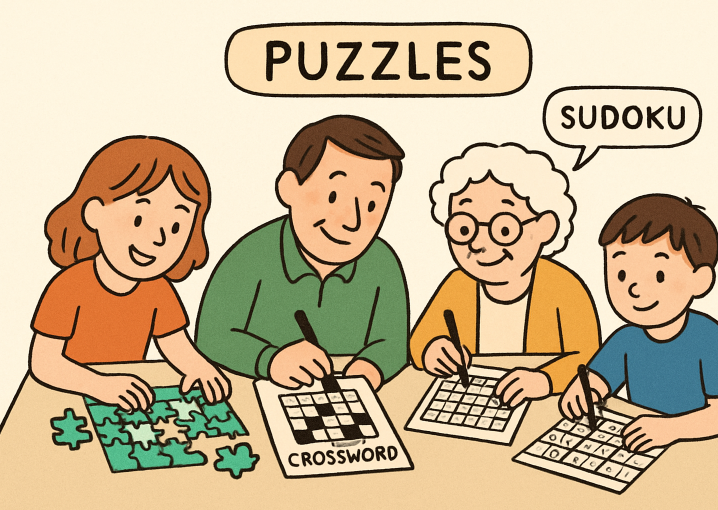
Puzzles aren’t limited to solo pursuits; they can become a cornerstone for social connection. Group-solving activities, such as assembling a large jigsaw with friends or racing through crosswords at family gatherings, help foster teamwork and active listening skills. These joint experiences can encourage spontaneous conversation and genuine laughter, deepening bonds and creating lasting shared memories. Whether you’re working through a board game, a cooperative puzzle app, or a traditional paper-based puzzle, sharing the triumph and frustration of problem-solving together is an excellent way to break the ice and strengthen relationships, both old and new. Puzzles offer an enjoyable, low-pressure platform for family members and friends to collaborate, reminding us of the value of patience, communication, and mutual support.
Delays Cognitive Decline
Staying mentally active is especially crucial as we grow older. Scientific studies have found that adults who frequently engage in puzzles maintain greater cognitive reserve, meaning they’re more resilient against symptoms of age-related cognitive decline, such as memory loss, impaired reasoning, and reduced processing speed. Research cited by the National Institute on Aging reinforces the link between regular engagement with puzzles and a lowered risk of developing neurodegenerative conditions such as Alzheimer’s disease and other forms of dementia. The process of solving puzzles is like giving your brain a workout that helps to keep mental faculties sharp, agile, and ready for new learning. Even late in life, adopting a daily puzzle habit can delay the onset of cognitive difficulties, supporting independence and quality of life for as long as possible.
Improves Focus and Attention
Puzzles demand both patience and a high degree of concentration, requiring you to tune out distractions and hone in on the task at hand. This deliberate focus strengthens your attention span and your ability to engage deeply with functional skills that transfer seamlessly to everyday experiences, such as finishing work projects, managing household chores, and being fully present in conversations with loved ones. According to research referenced by the American Psychological Association, regularly engaging in challenging, sustained mental tasks enhances the brain’s executive control network, a key system involved in planning, organization, and follow-through. Focusing on a puzzle’s details for extended periods not only sharpens this network but can also give you a practical way to practice patience and perseverance.
Provides a Screen-Free Break
As digital devices take up an increasing share of our daily lives, seeking out restorative, screen-free activities becomes essential for maintaining mental and physical well-being. Enjoying a physical or paper-based puzzle is a simple yet effective way to give your eyes and brain a much-needed break from blue light and constant notifications. Stepping away from screens, even briefly, supports better sleep patterns, reduces symptoms of digital fatigue such as headaches or eye strain, and offers a calming alternative to the stimulation of social media and emails. Making a habit out of screen-free puzzle time is an act of self-care that can help you feel more refreshed, focused, and alert as you face each new day and its challenges.
Enhances Problem-Solving Skills
Whether working through the intricacies of a logic puzzle or assembling the pieces of a tricky jigsaw, you develop critical thinking and practical problem-solving skills with every attempt. Every puzzle presents unique challenges that require strategic thinking, pattern recognition, and adaptability skills that are invaluable in real-world scenarios such as decision-making, troubleshooting, project planning, and time management. The step-by-step mental approach you cultivate by persevering through difficult puzzles can help you tackle life’s unpredictable problems more methodically and creatively. In this way, the patience and resourcefulness you build transfer well beyond the puzzle table, empowering you to face challenges with confidence everywhere.
Conclusion
Making puzzles a regular feature in your daily routine goes far beyond providing entertainment or passing the time. It keeps cognitive abilities sharp, offers a restorative respite from stress, and promotes stronger, happier relationships. No matter your age or personal interests, giving your brain a daily puzzle challenge is a proven way to invest in your mental fitness, emotional health, and overall happiness. Puzzles are a joyful, accessible, and effective way to keep your mind vibrant and engaged. From solo mental escapades to laughter-filled group moments, puzzles provide a genuinely fun pathway to a brighter, more resilient mind and a richer, more connected life.
Please visit my site, Itbetterthisworld, for more details.