Austin is a fast-growing city with a vibrant nightlife, busy downtown streets, and a large population that relies heavily on rideshare services for daily transportation. With more drivers on the road using platforms like Uber and Lyft, the number of rideshare-related crashes has also increased.
After a collision, many victims are left confused about liability, insurance coverage, and how to recover full compensation. Understanding your rights and the steps to take after a crash can make a major difference. In these situations, trusted rideshare accident lawyers at Lorenz & Lorenz, PLLC, can help guide you through the complex legal process.
Get Immediate Medical Attention
The first step to maximizing compensation after a rideshare crash is prioritizing your health. Even if injuries seem minor, seeking medical care right away creates a clear record linking your injuries to the accident.
Delayed treatment can give insurance companies an excuse to argue that your injuries were not serious or were caused by something else. Medical records, diagnostic tests, and follow-up care all play a critical role in calculating compensation.
Call the Police and Document the Scene
Always call the police after a rideshare accident. An official accident report provides an objective account of what happened, including details about the drivers involved, road conditions, and any citations issued. This report can be key evidence when dealing with insurance companies.
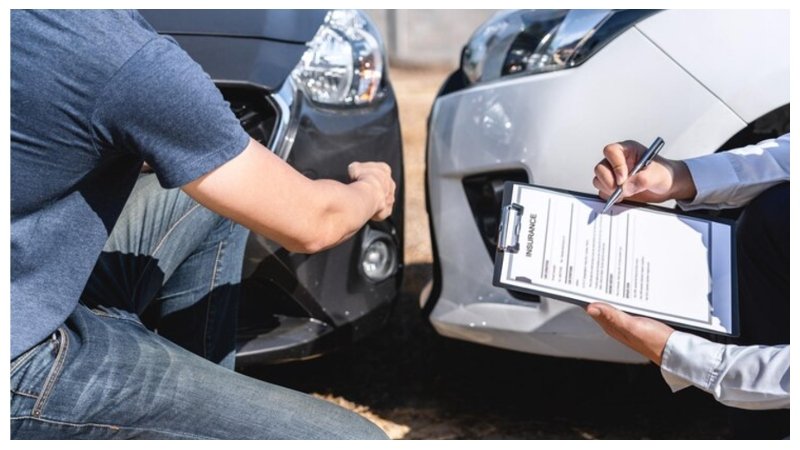
If you are able, document the scene yourself. Take photos or videos of vehicle damage, license plates, traffic signs, road conditions, and visible injuries. Be sure to capture the rideshare driver’s information and confirm whether they were logged into the app and transporting a passenger at the time of the crash.
Understand Rideshare Insurance Coverage
One of the most complicated aspects of rideshare accidents is insurance coverage. Rideshare companies provide different levels of coverage depending on the driver’s status at the time of the crash. If the driver was offline, their personal auto insurance typically applies. If they were logged into the app or actively transporting a passenger, higher commercial insurance limits may be available.
Knowing which policy applies is essential to maximizing compensation. Multiple insurance companies may be involved, each trying to minimize what they pay. Properly identifying coverage can significantly increase the value of your claim.
Gather Strong Evidence
Strong evidence strengthens your case and supports your claim for damages. This includes:
- Police reports and witness statements
- App screenshots showing ride details
- Dashcam or surveillance footage
- Medical records and bills
- Proof of lost wages or reduced earning capacity
The more evidence you have, the harder it is for insurers to dispute liability or downplay your losses.
Avoid Common Insurance Pitfalls
Insurance adjusters may contact you soon after the accident, often offering quick settlements. These early offers are usually far lower than what your claim is worth. Giving recorded statements or accepting a settlement without understanding the full extent of your injuries can limit your ability to recover fair compensation later.
It is generally best to avoid detailed conversations with insurers until you understand your legal options.
Account for All Damages
Maximizing compensation means looking beyond immediate medical bills. You may claim damages for lost income, future medical care, pain and suffering, emotional distress, and reduced quality of life. In severe cases, calculate damages to account for long-term rehabilitation or permanent disabilities.
Why Legal Guidance Matters
Rideshare accident claims involve multiple parties, overlapping insurance policies, and complex legal rules. An experienced attorney can help you meet deadlines, preserve evidence, and pursue all potential sources of compensation—especially in a busy city like Austin.
Key Takeaways
- Seek medical care immediately to document injuries and protect your claim.
- Always report the accident and gather evidence at the scene.
- Rideshare insurance coverage depends on the driver’s app status.
- Strong documentation helps counter insurance disputes.
- Do not rush into accepting early settlement offers.
- Full compensation includes both economic and non-economic damages.