Modern homes buzz with activity from dawn until well past dusk. Notifications ping, appliances hum, televisions murmur in the background, and open floor plans mean sound travels everywhere. We’ve designed homes that maximize space and connectivity, but somewhere along the way, we forgot to build in silence.
When browsing new homes in Southern California, buyers focus on granite countertops and walk-in closets. But the feature that might matter most for your well-being doesn’t appear on any floor plan: a dedicated quiet corner. This isn’t about luxury or extra square footage. It’s about creating a space where your brain and body can recover from the constant demands of modern life.
Here’s why carving out one spot for silence matters more than you might think.
Your Brain Needs Space to Think Deeply
Think about how your mind works during a typical day. You’re constantly responding to messages, making decisions, juggling tasks, and recording what everyone needs. Your brain stays in reactive mode, handling whatever comes next.
But deeper thinking doesn’t happen in reactive mode. Problem-solving, understanding what you read, and making connections between ideas—all of that requires a different mental state where you’re not being interrupted every few minutes.
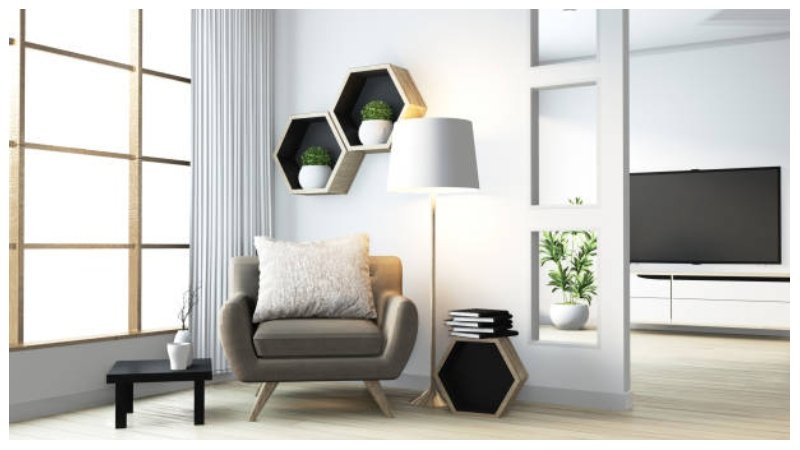
Constant noise keeps you stuck in surface-level thinking. A quiet corner allows your brain to shift its focus. Try setting up a simple reading nook in an underused bedroom corner. A comfortable chair away from your phone, paired with soft lighting, creates the conditions for your mind to stop reacting and start processing.
Constant Noise Destroys Your Ability to Focus
Ever notice how hard it is to concentrate at home? You sit down to read something that matters, and five minutes later, you’ve absorbed nothing. Your concentration starts breaking down around 80 decibels. A normal conversation hits 60. Your kitchen during dinner prep easily reaches 70 to 80.
Researchers call this Directed Attention Fatigue. Think of your ability to concentrate like a battery that drains throughout the day. Every distraction uses up a little more charge.
A quiet corner solves this. Even fifteen minutes in a space designed for silence brings your focus back. Something as simple as a window seat in a spare bedroom works. Position it facing away from the street, add a cushion, and you’ve created a spot where your attention can rebuild itself.
You Need a Release Valve for Daily Stress
Your home probably does about ten different jobs right now. You work there. Your kids do schoolwork there. It’s your gym, restaurant, and office. Every room serves multiple purposes, and you’re constantly switching between them.
This situation wears you down in ways that sneak up on you. The frustration builds. You snap at people you don’t mean to. Small things feel overwhelming. Everyone is exhausted because they lack a release mechanism.
A quiet corner gives you that release. Research shows our environment shapes behavior and habits, so using one space only for rest helps your brain associate it with relaxation and switch off more easily.
A converted closet under the stairs works perfectly. Just big enough for a cushioned bench and a small light. Take the door off, paint it a calm color, and you have a spot completely separate from everything else demanding your attention.
Silence Directly Improves Your Physical Health
Two minutes of silence does measurable things to your body. Your heart rate drops. Cortisol levels decrease. Your body physically shifts out of stress mode.
Over time, regular access to quiet spaces shows up in your health. Better sleep. Lower blood pressure. Improved heart health. Your body needs periods of low stimulation to balance hormones, clear cellular waste, and consolidate memories.
Put a small armchair in your bedroom’s farthest corner. Add blackout curtains and maybe a white noise machine. Twenty minutes there before bed helps your body start winding down for sleep.
Open Floor Plans Eliminated Mental Boundaries
Open floor plans feel wonderful when you’re touring a house. Spacious. Bright. Perfect for family time. But living in one reveals the downside: there’s nowhere to escape.
Sound travels everywhere. One person’s music becomes everyone’s music. The energy of one activity spills into every other space.
A quiet corner creates boundaries without construction. a section off a corner with a bookshelf. Use the space beneath a loft. Clear out a closet and leave the door off. The boundary is both physical and mental: this spot does one thing, and that thing is quiet.
What Happens When You Protect This Time?
You’ll notice changes quickly. Sleep comes easier. Thinking feels clearer. Your patience increases due to the absence of distractions.
Twenty minutes of daily quiet isn’t avoiding your life. It’s what lets you show up for it. Parents handle bedtime routines with less frustration. People working from home finish tasks that require thought. Everyone managing a busy household finds they can keep their cool when things get chaotic.
What Your Quiet Corner Needs
It’s not just any chair in any room. It’s a space set up for low stimulation. No screens nearby. No notifications. Soft lighting. Comfortable seating. Some separation from high-traffic areas.
Size doesn’t matter as much as purpose. Fifteen square feet used only for quiet beats a whole room trying to be everything at once.
Closing Thoughts
Silence isn’t extra. It’s essential. Modern home design optimized for openness but forgot that humans need pockets of peace. Pick one spot this weekend. Add one comfortable place to sit. Commit to protecting twenty minutes there each day. Your mind and body have been waiting for this.
Please visit my site, Itbetterthisworld, for more details.