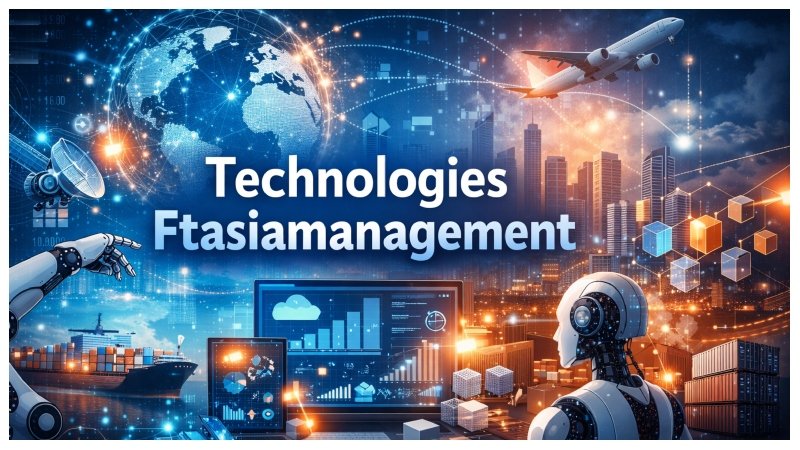
In today’s fast-paced digital world, technology is transforming every sector, and FTA (Free Trade Agreement) Asia management is no exception. The concept of technologies ftasiamanagement refers to the use of advanced digital tools and systems that enhance trade operations, compliance, and business management across Asian markets.
Asia is one of the fastest-growing economic regions globally, with multiple countries engaging in free trade agreements to boost economic collaboration and business expansion. Managing such large-scale trade operations requires efficient systems, and this is where technology plays a crucial role.
Modern organizations are increasingly relying on digital platforms, artificial intelligence, and data-driven strategies to streamline their operations. These technologies not only improve efficiency but also reduce errors and enhance decision-making capabilities. As a result, technologies ftasiamanagement has become an essential component for businesses operating in Asia.
The Role of Digital Transformation in FTA Asia Management Strategies
Digital transformation has significantly reshaped how FTA Asia management operates. Traditionally, trade processes were heavily dependent on manual paperwork, which often led to delays, inefficiencies, and errors. However, with the adoption of digital technologies, these processes have become faster, more accurate, and highly transparent.
Businesses now utilize Enterprise Resource Planning (ERP) systems and digital trade platforms that provide real-time data and insights. This enables companies to monitor their operations more effectively and make quicker decisions. For instance, import and export documentation can now be generated and processed online, reducing processing time and minimizing compliance risks.
Moreover, technologies ftasiamanagement facilitate seamless cross-border operations. Digital tools eliminate communication barriers, allowing stakeholders from different countries to collaborate in real time. Blockchain technology further enhances transparency and security by ensuring that all transactions are recorded and verified, reducing the risk of fraud.
Overall, digital transformation is driving efficiency and reliability in Asia’s trade ecosystem, making it easier for businesses to operate and grow.
Impact of AI and Automation in Technologies Ftasiamanagement
Artificial Intelligence (AI) and automation are among the most powerful drivers of change in FTA Asia management strategies. These technologies enable businesses to analyze large volumes of data and generate actionable insights, which are essential for strategic planning and forecasting.
Automation helps handle repetitive tasks such as documentation, invoicing, and compliance checks. This reduces human error and increases productivity. For example, automated systems can instantly calculate tariffs and ensure that trade operations comply with relevant regulations.
In the context of technologies ftasiamanagement, AI-powered chatbots and virtual assistants are also becoming common. These tools provide instant customer support, handle inquiries efficiently, and operate 24/7, which is particularly important in global trade environments.
AI also plays a crucial role in risk management. It can identify potential risks, such as supply chain disruptions or regulatory changes, allowing businesses to take proactive measures. By leveraging AI and automation, companies can improve efficiency, reduce costs, and enhance overall performance.
Cloud Computing and Data Analytics in Asian Management Systems
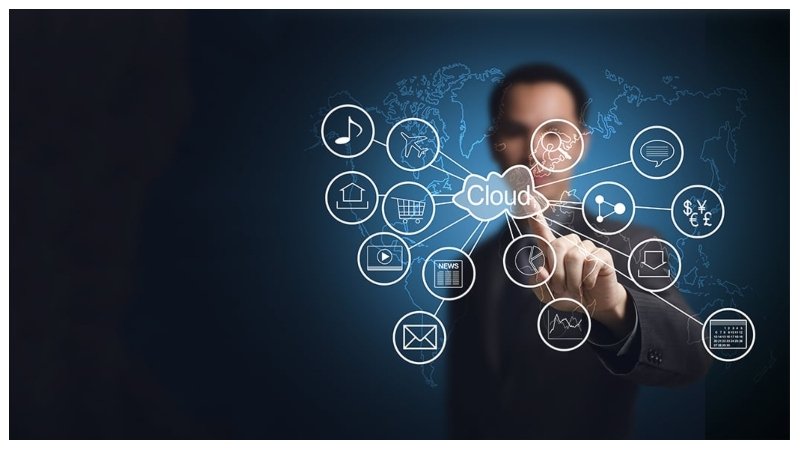
Cloud computing has revolutionized FTA Asia management by providing scalable and flexible solutions for data storage and processing. Businesses can now store their data on secure cloud platforms and access it from anywhere at any time.
One of the key advantages of cloud computing is cost efficiency. Companies no longer need to invest heavily in physical infrastructure, making it particularly beneficial for small and medium-sized enterprises (SMEs).
Data analytics is another critical component of technologies ftasiamanagement. By analyzing large datasets, businesses can gain insights into market trends, customer behavior, and trade patterns. This enables them to make informed decisions and develop effective strategies.
Real-time analytics dashboards provide managers with up-to-date information, allowing them to respond quickly to changes in the market. This creates a competitive advantage, especially in dynamic and fast-growing Asian markets.
Together, cloud computing and data analytics are empowering businesses to operate more efficiently and strategically.
Improving Decision-Making with Modern Technologies Ftasiamanagement
Modern technologies have significantly improved decision-making processes in FTA Asia management. In the past, decisions were often based on limited data and personal experience. Today, data-driven approaches are becoming the standard.
Tools related to technologies ftasiamanagement use advanced analytics and AI algorithms to provide accurate predictions and recommendations. This allows managers to make better and faster decisions.
For example, supply chain management systems can forecast demand and optimize inventory levels. This helps businesses avoid issues such as overstocking or stock shortages.
Additionally, data visualization tools such as dashboards and reports present complex information in an easy-to-understand format. This improves clarity and supports strategic planning.
Enhanced decision-making leads to improved efficiency, increased profitability, and stronger competitiveness in the global market.
Challenges and Opportunities in Adopting New Technologies in FTA Asia
While technology offers numerous benefits, there are also challenges associated with its adoption. One of the main challenges is the high cost of implementation, which can be a barrier for small businesses.
Another challenge is the lack of skilled professionals who can effectively use advanced technologies. Additionally, cybersecurity risks are a major concern, as digital systems are vulnerable to hacking and data breaches.
Despite these challenges, there are significant opportunities. Companies that adopt technologies ftasiamanagement early can gain a competitive edge and establish a strong market presence. Technology also encourages innovation and enables the development of new business models.
Governments across Asia are supporting digital transformation by providing infrastructure and policies that encourage businesses to adopt new technologies. This creates a favorable environment for growth and innovation.
Future Trends of Technologies Ftasiamanagement in Asia
The future of technologies ftasiamanagement looks highly promising. Emerging technologies such as AI, machine learning, blockchain, and the Internet of Things (IoT) are expected to play an even greater role in transforming trade and management systems.
Smart supply chains are being developed to automatically balance demand and supply. Autonomous systems and robotics are also transforming logistics and warehousing operations.
Digital trade platforms and e-commerce integration are reshaping the Asian trade landscape, making it easier for businesses to expand globally. Companies that embrace these technologies will achieve greater efficiency and faster growth.
Sustainability is another important trend. Technology is being used to promote environmentally friendly practices, such as green logistics and energy-efficient systems.
Overall, the future of FTA Asia management will be driven by continuous technological innovation.
Conclusion
In conclusion, technologies ftasiamanagement are transforming FTA Asia management strategies in profound ways. From digital transformation and AI to cloud computing and data analytics, technology is enabling businesses to operate more efficiently, make better decisions, and remain competitive.
Although there are challenges in adopting new technologies, the opportunities far outweigh them. Businesses that embrace these advancements will be well-positioned for long-term success.
As technology continues to evolve, its impact on FTA Asia management will only grow stronger, shaping the future of trade and business in the region. Please visit my site, Itbetterthisworld, for more details.