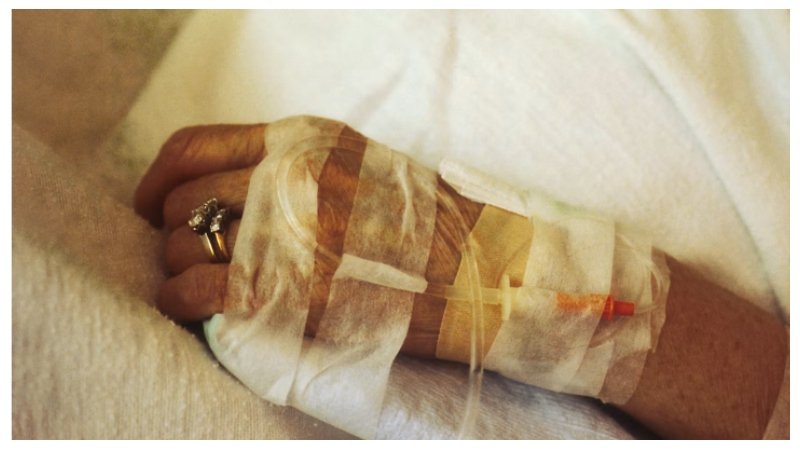
A sudden injury disrupts daily life instantly, making standard routines feel overwhelming. Simple chores like cleaning, cooking, or driving suddenly require immense physical effort and careful planning.
Finding steady ways to navigate these challenges keeps recovery on track without causing extra physical strain. Small structural changes can protect energy levels during recovery.
https://unsplash.com/photos/person-wearing-gold-wedding-band-WMuFH_0rlWg
Understanding Physical Limits Early
Recognizing personal energy limits protects the body from extra harm. Pushing through severe pain often delays healing and worsens tissue damage. Pacing daily movement creates a stable recovery environment.
Adjusting to sudden physical changes takes patience and proper planning. Reaching out to a Bethlehem based PI attorney can clarify legal options when medical costs accumulate fast. Having a clear roadmap helps reduce daily strain.
Tracking symptoms daily helps identify specific movements that trigger sharp discomfort. Writing down daily accomplishments keeps expectations grounded and manageable. Clear boundaries protect recovery schedules.
Adapting Basic Self-Care Routines
Medical literature defines basic physical needs as skills required for personal hygiene, dressing, eating, toilet use, and general movement. Relearning these simple habits requires patience and modified techniques. Using specialized medical equipment eases daily bodily tasks.
Long-handled sponges and shower chairs reduce bodily twisting in the bathroom. Installing grab bars near toilets offers extra leverage when standing up. These tools protect joints during morning routines.
Wearing loose clothing with elastic waistbands eliminates struggle while dressing. Slip-on shoes remove the physical burden of bending over repeatedly. Simple outfit choices save significant energy throughout 12-hour periods.
Getting Help With Daily Tasks
A clinical study highlighted that extra help from relatives, friends, and professional aides is frequently required to perform everyday activities. Accepting assistance reduces physical risk during early recovery phases. Outsourcing heavy duties speeds up total healing times.
Friends can assist with grocery errands or heavy laundry loads. Community members often want to assist when clear tasks are assigned. Delegating physical duties maintains household order without personal strain.
Professional home health aides provide specialized care for complex needs. Hiring short-term assistance protects family members from caregiver burnout. Structured assistance keeps daily operations running smoothly.
Organizing Meal Prep and Household Chores
Kitchen work involves standing, lifting, and bending that strains recovering bodies. Preparing batch meals on sitting stools minimizes physical stress during cooking. Pre-cut ingredients lower prep time significantly.
Simplifying household tasks prevents unnecessary fatigue during active healing windows:
- Cooking large casseroles provides multiple portions for 3 days.
- Storing common items on counter-height shelves avoids low bending.
- Using lightweight paper plates reduces kitchen cleanup duties.
Robot vacuums handle floor cleaning without manual pushing or pulling. Running small dishwasher cycles prevents heavy dish stacks from building up. Modern appliances make chore management far simpler.
Modifying Your Living Space for Safety
Home environments contain hidden trip hazards that cause accidental falls. Removing loose rugs from walkways creates safer pathways through hallways. Adding high-lumen nightlights improves nighttime visibility.
Rearranging primary furniture pieces opens wider walkways for mobility aids. Moving frequently used items to waist-level shelves limits stretching. Smart home arrangements protect healing limbs.
Setting up a main-floor living space avoids hazardous staircase trips. Keeping water, medications, and phone chargers near resting chairs saves footsteps. A centralized resting area minimizes physical exertion.
Managing Financial and Administrative To-Dos
Medical bills and insurance paperwork accumulate rapidly following physical accidents. Setting up automatic payments for regular household utilities prevents missed deadlines. Digital record systems keep documents accessible.
Organizing physical paperwork into labeled folders reduces mental confusion. Requesting digital bill delivery eliminates trips to outdoor mailboxes. Streamlining financial administration reduces daily stress.
Communicating directly with utility providers can yield extended payment deadlines. Many billers offer relief programs for recovering individuals. Proactive outreach prevents unnecessary administrative pressure.
Balancing Rest with Gradual Activity
Healing requires significant physical rest alongside measured physical therapy exercises. Overexerting muscle groups leads to prolonged setbacks and inflammation. Scheduled rest periods maintain bodily energy balance.
Short walks across room floors stimulate healthy blood circulation. Following physical therapy guidelines prevents joint stiffness during long recovery periods. Balanced movements support complete physical rehabilitation.
Listening closely to body cues prevents overexertion during active hours. Stopping activities before exhaustion sets in protects recovering tissues. Sustainable progress requires daily moderation.
Recovering from physical injuries takes time, structured support, and environmental modifications. Simplifying daily obligations protects the body’s energy and aids full healing.
Pacing activities and accepting community assistance help maintain household balance. Taking small steps every day ensures steady progress toward physical independence.
Listening closely to medical guidance and respecting personal limits prevents unnecessary setbacks during recovery. Consistent routines, adequate rest, and gradual increases in activity help rebuild strength while supporting confidence, mobility, and long-term well-being.