A water heater is one of those household appliances that is easy to overlook until something goes wrong. Every day, it provides the hot water needed for showers, washing dishes, doing laundry, cleaning, and many other household activities. When a water heater begins to lose efficiency or suddenly stops working, homeowners quickly realize just how important it is.
Understanding how your water heater operates, recognizing potential warning signs, and keeping up with routine maintenance can help you get dependable performance from the system while reducing the risk of unexpected problems.
How Your Home Water Heater Works
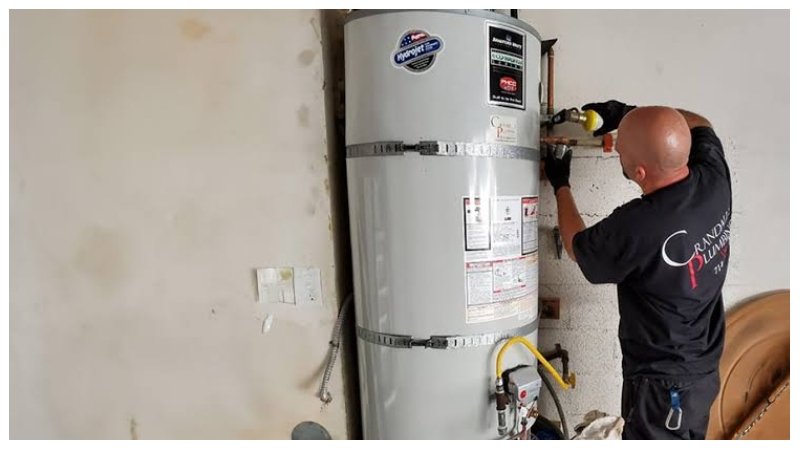
Most homes use either a traditional tank-style water heater or a tankless system. A traditional water heater stores heated water inside a tank so it is ready when someone turns on a hot water faucet. Depending on the home, the system may use natural gas, electricity, or another energy source.
Tankless water heaters operate differently. Instead of maintaining a large supply of heated water, these systems heat water as it is needed. Both types can provide reliable hot water when they are properly sized, installed, and maintained.
Regardless of the type of equipment in your home, regular use eventually creates wear on components. Recognizing changes in performance can help homeowners address problems before the water heater completely fails.
Watch for Changes in Hot Water
One of the most noticeable signs of a water heater problem is inconsistent water temperature. You might notice that showers are not as hot as they once were or that the household runs out of hot water much faster than usual.
Water that takes unusually long to heat can also indicate a developing issue. Depending on the system, heating elements, burners, thermostats, sediment buildup, or other components could contribute to poor performance.
If these problems continue, having the equipment evaluated can help determine whether a repair, maintenance service, or eventual replacement makes sense. Homeowners experiencing recurring issues may benefit from water heater services in Greenwood to identify the cause and help restore reliable hot water throughout the home.
Look for Signs of Water Around the Unit
Water should never be ignored around a water heater. A small amount of moisture may result from a connection or valve, while water collecting around the bottom of a tank can indicate a more significant problem.
Periodically inspect the area around your water heater. Look for puddles, corrosion, rust, dampness, or discoloration. Catching a leak early can be especially important because water damage can affect flooring, walls, cabinets, and nearby belongings.
If you notice a significant leak, knowing the location of the appropriate water shutoff can help limit damage while the problem is addressed.
Sediment Can Affect Water Heater Performance
Minerals naturally found in water can accumulate inside traditional water heater tanks over time. This sediment buildup may reduce efficiency and contribute to unusual popping or rumbling noises when the system operates.
The amount of buildup can vary depending on local water conditions, household water consumption, and the age of the equipment. Following the manufacturer’s recommended maintenance schedule can help keep the system operating properly.
Homeowners should also pay attention to unusual sounds. While not every noise indicates a serious problem, new or increasingly loud sounds are worth investigating.
Consider the Age of Your Water Heater
Water heaters do not last forever. As equipment gets older, components can wear out and efficiency may decline. Knowing approximately when your water heater was installed can help you prepare for eventual replacement rather than being surprised by a sudden failure.
The manufacturer’s label typically provides information that can help determine the unit’s age. If your water heater is older and begins requiring frequent repairs, it may be worthwhile to compare the cost of continued repairs with replacing the system.
Newer equipment may also offer efficiency improvements compared with an older unit.
Choose the Right Size for Your Household
Water heater sizing is another important consideration. A system that is too small may struggle to meet household demand, particularly when several people need hot water around the same time.
Household size, bathing habits, appliances, available energy sources, and overall hot water usage should all be considered when selecting equipment. Bigger is not automatically better, either. Proper sizing helps balance comfort, efficiency, and performance.
Take Care of Your Home’s Hot Water System
A reliable water heater contributes to the comfort and convenience of everyday life. Homeowners can help protect their investment by watching for leaks, monitoring changes in water temperature, paying attention to unusual noises, and following recommended maintenance practices.
Being proactive is particularly valuable with water heaters because problems can become disruptive quickly. Regular attention.