A well-stocked kitchen makes low-cost meals easier to prepare, but value comes from buying foods you’ll actually use. A freezer full of forgotten leftovers or a pantry packed with duplicate ingredients ties up money and creates waste. The better strategy is to connect every purchase to a practical meal, track what you have and keep a small group of flexible ingredients on hand.
Before your next grocery trip, use the steps below to build kitchen inventory that supports quick dinners without pushing up your weekly food bill.
Plan Your Meals for Less Waste
Start with a short inventory of your refrigerator, freezer, and pantry. Look for foods that need attention first, such as an open container of yogurt, soft vegetables, or cooked rice. Give those ingredients a place in the coming week’s meals before adding new items to your shopping list.
Plan three or four main dinners instead of assigning a different recipe to every night. This leaves room for leftovers, schedule changes, and an occasional simple meal. A roast chicken, for example, can provide one dinner, sandwich filling, and protein for a rice bowl. Bell peppers bought for fajitas can also go into eggs or pasta sauce.
A basic theme can make meal planning faster:
- Monday: pasta, rice, or another grain-based dish
- Tuesday: tacos, wraps, or bowls
- Wednesday: soup with bread or salad
- Thursday: leftovers
- Friday: a freezer meal
Keep portions realistic. If a recipe serves eight and your household has two people, halve it or freeze part of the finished dish immediately. The University of Nebraska-Lincoln’s basic foods checklist offers a useful starting point for ingredients that work across simple meals.
Finally, keep an “eat first” container or shelf in the refrigerator. Foods approaching their use-by dates stay visible, which makes them far more likely to become tomorrow’s lunch instead of next week’s trash.
Freezer Essentials for Quick Dinners
Use the freezer as active meal storage, not a holding area for food without a plan. Good everyday choices include frozen vegetables, fruit, cooked beans, bread, shredded cheese and individual portions of cooked grains. These ingredients can turn eggs into a vegetable scramble or transform broth and beans into a filling soup.
Freeze foods in portions that match how you cook. A large container of chili may take hours to thaw, while two-cup portions work well for lunch or dinner. Press soups and sauces flat in freezer bags so they stack neatly and thaw quickly. Label each package with the food and date using masking tape or a freezer-safe marker.
Leave room for one or two special ingredients that can upgrade a home-cooked meal. For example, frozen Maine lobster meat can be portioned for pasta, seafood rolls, or a celebratory dinner at home. Treat higher-cost foods as planned menu ingredients and pair them with affordable staples such as potatoes, rice, or seasonal vegetables.
Batch cooking also reduces the temptation to order food on a busy evening. Options such as bean chili, baked pasta, and vegetable soup freeze well, and these budget-friendly freezer meals can provide more practical ideas. Review the freezer once a month. Move older packages to the front and plan meals around them before restocking.
Smart Shopping for Bulk Buys
A large package only saves money when its unit price is lower and you can use the contents before their quality declines. Compare the price per ounce, pound or item shown on the shelf label. A smaller package on sale may cost less per unit than the warehouse-size option.
Focus bulk spending on foods with a steady place in your routine. Rice, oats, dried beans, and canned tomatoes often fit that standard. Fresh berries, delicate greens, and unfamiliar snacks are riskier because spoilage or changing tastes can erase the savings.
Before buying, answer three questions: How many meals will this make? Where will it be stored? When will it be used? A 10-pound bag of rice may be sensible for a family that eats rice three times a week. The same bag can become clutter in a household that prepares it once a month.
Divide large packages when you get home. Freeze extra bread in half-loaf portions, separate meat alternatives or seafood into meal-size packages and move dry goods into clean airtight containers. Write the purchase date on products removed from their original packaging.
Budget space matters too. Spending $40 on bulk goods may lower future costs, but it can strain this week’s grocery allowance. Build a bulk-buy fund of a few dollars per trip so you can stock up when a genuine deal appears.
Upgrade Meals with Shelf-Stable Staples
Shelf-stable foods give you a reliable backup when fresh ingredients run low. Build your pantry around items that can take on several roles, including canned beans, tomatoes, tuna, coconut milk, broth, pasta, rice and oats. Flavor builders such as mustard, vinegar, soy sauce, and dried herbs help the same base ingredients taste different throughout the week.
Think in meal formulas instead of collecting ingredients for isolated recipes. Pasta plus canned tomatoes, beans, and herbs makes a quick dinner. Rice combined with frozen vegetables, an egg, and soy sauce becomes fried rice. Broth, canned beans, pasta, and a handful of greens can become soup in about 20 minutes.
The most useful pantry also reflects your normal appetite. If you rarely bake, large bags of specialty flour don’t deserve valuable shelf space. If breakfast is often rushed, oats, nut butter, and shelf-stable fruit may provide far more value.
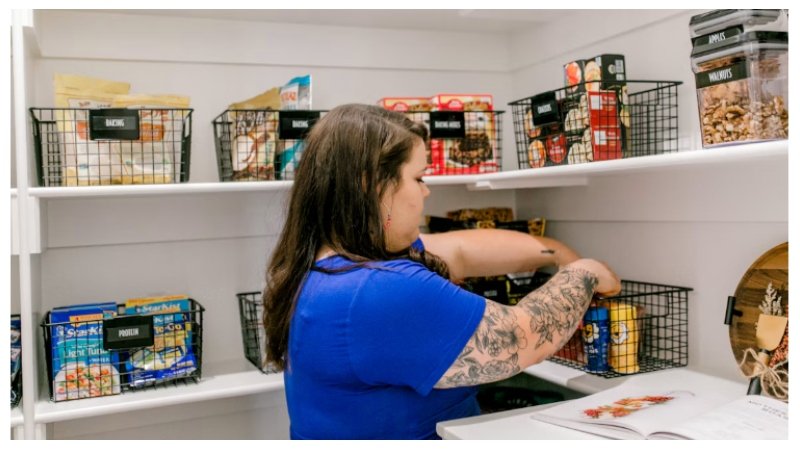
Arrange supplies so older packages sit in front. Check expiration or best-quality dates every few months and add items nearing their dates to the next meal plan. Keep a running list on your phone or refrigerator, then record an item as soon as you open the last package.
A useful kitchen inventory develops over time. Replace what you finish, skip what lingers, and reserve some freezer space for the meals that save you on your busiest nights. When every shelf has ingredients tied to real breakfasts, lunches, and dinners, staying within your food budget becomes much more manageable.