When the summer sun turns up the heat, most of us rely on air conditioning to keep our homes cool. But what if you’re still sweating even with the AC running? This is more common than you might think—and it can be caused by more than one issue. However, ignoring the problem doesn’t just leave you uncomfortable; it can also drive your energy bills higher than necessary. So, do you want to know why your AC isn’t keeping you (or your home) cool enough?
This article will help you identify the reasons your home continues to stay warm and how to address these issues.
Start With the AC Unit Itself
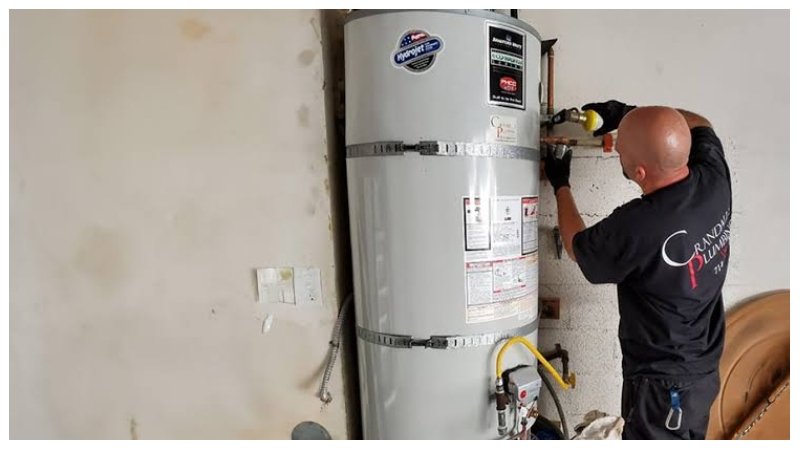
When your home feels hot despite the air conditioner being on, the first step is to look at the system itself. An AC unit has many components working together to deliver cool air. If any part fails, comfort declines. Dirty condenser coils can make it harder for the unit to release heat, while a clogged filter inside the system can limit airflow. A struggling compressor can also reduce the cooling power, leaving the home feeling warm. Home air conditioner repair Southern Indiana services, such as those offered by trusted local providers like Commercial Service, can quickly diagnose these system issues and restore proper cooling before the problem worsens.
One of the more serious issues is a refrigerant leak. Refrigerant, often called Freon, is what helps your system absorb heat and produce cool air. Signs of a Freon leak include weak airflow, air that doesn’t feel as cold as it should, or ice forming on the evaporator coil. Some people even notice a faint hissing sound coming from the unit. Because refrigerant must be handled by a licensed professional, this is not a do-it-yourself repair. If you suspect this issue, pick up the phone and schedule service quickly to avoid more costly damage.
Leaky or Poorly Insulated Ductwork
If your running AC is producing cold air but you are still sweating, the issue may lie in the ductwork. Ducts carry conditioned air from the unit to each room. When they develop leaks, a large portion of the cooled air can escape into areas like attics or crawl spaces instead of reaching the living spaces. Poor insulation on the ducts can also allow heat to seep in, warming the air before it ever reaches you.
These problems reduce comfort and increase energy use. Sealing leaks and adding insulation to ducts can prevent this waste and help ensure the cooled air is delivered efficiently. Many homeowners overlook this part of the system, but it is often the missing piece when other fixes don’t solve the problem.
Check the Thermostat Settings
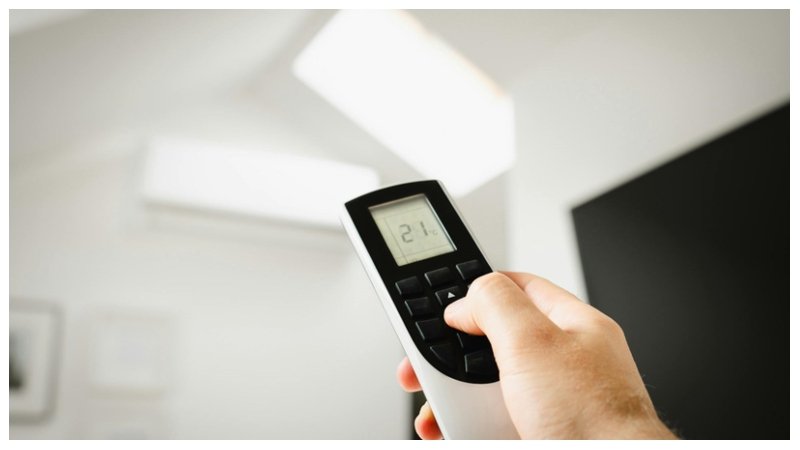
If the AC itself seems to be running, the next place to look is the thermostat. Sometimes the problem is as simple as a setting that isn’t correct. Switching between modes accidentally or setting the temperature higher than intended can explain why the house feels warm. Thermostats can also malfunction. A faulty sensor might cause the system to cycle on and off too often, never cooling the space as needed.
Placement matters as well. A thermostat installed near a sunny window, a lamp, or any other heat source can read the room temperature incorrectly and force the system to shut off early. Repositioning the thermostat or upgrading to a programmable model can fix this. If your system is otherwise working fine but comfort is lacking, it’s worth examining whether the thermostat is the cause.
Blocked or Closed Vents
Air needs to flow freely throughout the home to keep every room comfortable. Blocked or closed vents interrupt that flow. Sometimes the blockage is as simple as furniture placed in front of a vent or a rug covering the register. In other cases, people close vents in rooms they don’t use, thinking it will save energy, but this actually puts stress on the system and reduces efficiency. The result is uneven cooling and a home that still feels warm in some areas.
Inadequate Home Insulation
Air conditioners can only do so much if your home isn’t properly insulated. Cool air escapes quickly through poorly sealed windows, thin walls, or an uninsulated attic, and that leaves the system running longer to maintain the set temperature. This constant strain often results in higher bills without real comfort.
Adding insulation in the attic, sealing cracks, and applying weather stripping around doors and windows can dramatically reduce heat gain. Even simple upgrades like blackout curtains or reflective window film can help keep cool air inside.
An AC Unit That’s the Wrong Size
Another factor that’s not usually considered is the size of the air conditioner. If the unit is too small, it won’t have enough power to keep up with the hot weather. On the other hand, a system that is too large may cool the air quickly but shut off before it has time to remove humidity. Both situations leave you feeling sticky and uncomfortable. Signs your unit may be undersized include constant running, never reaching the set temperature, and uneven cooling.
Oversized units, meanwhile, cycle on and off too frequently and fail to control humidity. The only way to be sure your system is properly matched is through a professional load calculation. This assessment takes into account the size of your home, number of windows, insulation levels, and the climate.
Lack of Regular Maintenance
Air conditioners require regular care to stay effective. Over time, dust, dirt, and wear can reduce performance. Without maintenance, small problems can build up and cause the system to lose efficiency. Skipping maintenance often results in higher bills, frequent breakdowns, and poor cooling when you need it most. Many homeowners only call for help when the system stops working, but by then, the repair may be costly. Scheduling routine maintenance helps extend the life of the system and ensures it’s ready for peak demand during summer. It’s one of the most effective ways to avoid sweating indoors while the AC runs.
When the AC is running but you still find yourself sweating indoors, the reasons can range from refrigerant issues and home insulation problems to an undersized system or even simple neglect of routine maintenance. By looking at these factors closely, you can identify the true cause of discomfort and choose the right solution.
With proper care, the right equipment, and attention to your home’s needs, you can create an environment that stays comfortable even when the summer heat is at its peak.
For any suggestion or changes, please contact us, the Itbetterthisworld team.