Identifying Wear and Tear Early
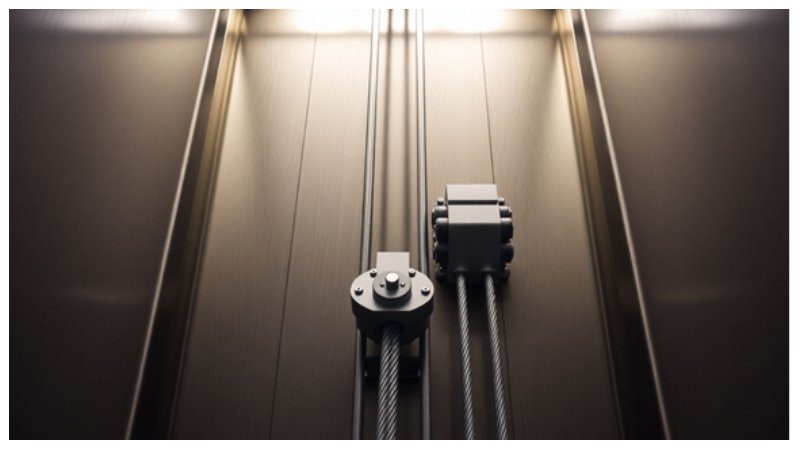
Elevators, like any machine, experience wear over time. Regular checks are the best way to spot this before it becomes a real problem. Think of it like checking your car’s tires – you want to see if they’re getting bald before you have a blowout. This proactive approach to elevator safety means catching small issues, like a bit of fraying on a cable or a slightly sticky door mechanism, when they’re easy and inexpensive to fix.
Professional elevator repairs from providers like Honest Elevator ensure that these minor issues are addressed promptly, helping extend the life of the equipment and keeping riders safe.
Catching these small signs of wear and tear early is key to preventing bigger, more dangerous failures down the line. It’s all about keeping things running smoothly and safely for everyone who uses the elevator.
Preventing Equipment Malfunctions
Nobody wants to be stuck in an elevator, or worse, experience a sudden jolt or stop. Regular inspections help prevent these kinds of equipment malfunctions. Technicians look at everything from the control panel to the motor and safety brakes. They can identify if a part is starting to fail or if something isn’t quite right with the electrical system. Addressing these potential issues during a scheduled inspection means you avoid unexpected breakdowns. This keeps the elevator operational and, more importantly, safe for passengers. It’s a simple way to maintain reliability and avoid the headaches of a broken-down elevator.
Addressing Misaligned Doors and Cable Wear
Misaligned doors are a common issue that can pose a tripping hazard or prevent an elevator from operating correctly. Inspectors check that the doors open and close smoothly and that the elevator car is level with the floor. Another critical check involves the elevator cables. These are the lifelines of the elevator, and over time, they can show signs of wear, like fraying or corrosion. Identifying excessive cable wear during an inspection is vital. Replacing worn cables promptly is a non-negotiable step in maintaining elevator safety. These specific checks, focusing on doors and cables, are just a couple of examples of how regular inspections directly contribute to passenger safety.
Legal Mandates and Compliance Requirements
Adhering to Local and National Safety Codes
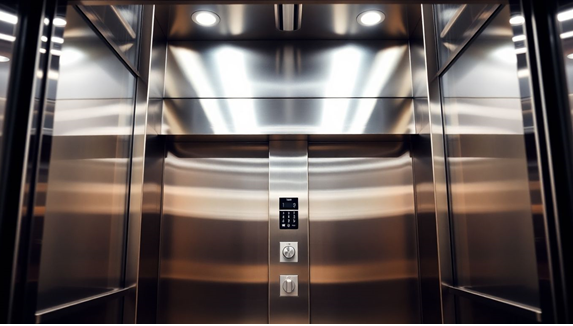
Property owners must follow specific rules for elevator operation. These rules exist to keep everyone safe. Compliance with these safety codes is not optional; it’s a legal necessity. Ignoring them can lead to serious trouble.
- Check local building codes.
- Review national elevator safety standards.
- Keep records of all inspections and maintenance.
Understanding State-Specific Guidelines
Each state might have its own set of rules for elevators. These state-specific guidelines can add another layer to the requirements. It’s important to know what your particular state demands to avoid issues.
Staying informed about state-specific regulations is key to maintaining a compliant and safe building. This includes understanding the frequency of required inspections and the qualifications of inspectors.
Avoiding Fines and Legal Issues
Failing to meet inspection requirements can result in penalties. These penalties can include fines and even orders to shut down the elevator. Regular, thorough elevator inspections help prevent these problems, keeping your building operational and legally sound.
| Violation Type | Potential Penalty | |
| Expired Inspection Cert | Fines, Shutdown | |
| Non-compliant System | Fines, Legal Action | |
| Lack of Maintenance | Fines, Liability |
Types of Essential Elevator Inspections
Initial Inspections for New Installations
When a new elevator is installed, it needs a thorough check before anyone rides it. This initial inspection makes sure everything is put in correctly and meets all the safety rules. Inspectors look at the main parts, like the motor, cables, and the doors, to catch any problems right away. Getting this first inspection done right sets the stage for safe operation. It’s all about making sure the elevator is ready for use and follows the book from the start.
Routine Annual Evaluations
Once an elevator is up and running, it needs regular check-ups. Annual inspections are a standard part of keeping things safe and working well. During these yearly checks, technicians go over the elevator’s mechanics and electrical systems. They’re looking for signs of wear or anything that might not be working as it should. This helps prevent unexpected breakdowns and keeps passengers safe. Think of it as a yearly physical for your elevator.
Critical Five-Year Load Tests
Every five years, elevators face a more intense test. This is the five-year load test, and it’s pretty important. It involves putting a specific amount of weight inside the elevator car to see how it handles a full load. This test checks the strength of the cables, the braking system, and other components under pressure. It’s a way to confirm the elevator can safely carry its maximum capacity. Passing this test is often required to keep the elevator in service and compliant with regulations.
The Role of Professional Inspection Services
Benefits of Comprehensive Inspections
Professional inspection services bring a level of detail and knowledge that goes beyond what a building owner might possess. They conduct a comprehensive check of all elevator systems. This means looking at everything from the motor and cables to the safety brakes and control panels. They use specialized tools and follow strict checklists to spot issues that could be missed otherwise. This thoroughness helps catch small problems before they become big, expensive ones.
- Detailed component analysis
- Compliance with industry standards
- Identification of potential failure points
These services provide a clear picture of the elevator’s condition, offering peace of mind and a solid basis for maintenance decisions.
Expertise in Identifying Potential Issues
Experts in elevator inspections have seen it all. They know the common wear-and-tear patterns and the subtle signs of impending failure. Their experience allows them to pinpoint issues like worn-out parts, electrical faults, or hydraulic leaks that might not be obvious to the untrained eye. This specialized knowledge is key to preventing unexpected breakdowns and ensuring passenger safety.
Ensuring Long-Term Elevator Reliability
Working with professional inspectors isn’t just about passing the next check. It’s about building a relationship that supports the elevator’s longevity. They can advise on preventative maintenance and upgrades needed to keep the system running smoothly for years. This proactive approach saves money in the long run by avoiding major repairs and minimizing downtime. A reliable elevator means a more functional building.
Maintaining Operational Integrity and Functionality
Safety and Functionality of Hoistway and Lobby
Keeping the hoistway and lobby areas in top shape is key for smooth building operations. Inspectors check that doors open and close right, without sticking or making weird noises. They also look at the lobby for clear signage and good lighting.
A clean and well-lit lobby, along with a properly functioning hoistway, prevents accidents and keeps things moving. This means checking door interlocks so the elevator only moves when doors are shut, and making sure emergency procedures are clearly posted. It’s all about making sure the elevator system works reliably.
Ensuring Smooth Building Operations
When elevators work well, the whole building runs better. People can get where they need to go without delays. Regular checks help catch small problems before they become big ones, stopping unexpected shutdowns.
This focus on operational integrity means that building engineers and maintenance teams are always on the lookout for issues. They test things like cables and brakes to make sure they’re in good condition.
Keeping elevators running smoothly is a big part of making sure a building is functional and pleasant for everyone who uses it.
Reducing the Need for Costly Elevator Repairs
Think of inspections as a way to save money in the long run. By finding and fixing small issues early, you avoid major breakdowns that can cost a fortune to repair. This proactive approach keeps the elevator system in good shape.
Regular maintenance and inspections are not just about safety; they are also about smart financial planning for property owners. Addressing worn parts or minor electrical glitches promptly is much cheaper than dealing with a complete system failure. This helps maintain the elevator’s overall reliability.
Proactive Measures for Building Management
Setting Up for Successful Inspections
Property managers can take steps to make elevator inspections smoother. This involves keeping good records of past maintenance and any repairs done. It also means making sure the elevator and its machine room are clean and accessible for the inspector. Being prepared shows a commitment to safety. This preparation helps inspectors work efficiently and can highlight any ongoing concerns.
Documenting Repairs and Maintenance
Keeping detailed logs of all elevator maintenance and repairs is important. This documentation helps track the history of the elevator’s performance. It also provides proof of compliance with safety standards. For building owners, this record-keeping is a key part of responsible property management. It helps in planning future maintenance and budgeting for potential upgrades.
Minimizing Service Disruptions
Regular checks and prompt repairs help avoid unexpected elevator breakdowns. When elevators are well-maintained, they are less likely to cause disruptions for tenants. This proactive approach means fewer emergency calls and less inconvenience for building occupants. It also reduces the chances of costly emergency repairs.
- Schedule routine maintenance during off-peak hours.
- Inform tenants in advance about any planned elevator downtime.
- Have a backup plan for essential services if an elevator is out of service.
Proper documentation of all elevator work, from minor adjustments to major overhauls, is not just good practice; it’s a vital component of a building’s safety and operational strategy. This history aids in diagnosing future issues and demonstrates due diligence to regulatory bodies.
The Bottom Line
So, really, it comes down to this: keeping elevators in good shape isn’t just about making sure they work. It’s about keeping people safe and avoiding a whole lot of headaches for property owners. Regular check-ups catch small problems before they turn into big, expensive ones, and they also make sure you’re following all the rules. It’s a smart way to protect your building, the people inside it, and your wallet. Don’t skip these inspections; they’re a necessary part of looking after your property.