
Maintaining a healthy personal cash flow is the cornerstone of financial well-being and the bedrock upon which long-term goals are built. By mastering a few strategic habits, you can ensure your income regularly outpaces your expenses, creating room to save and invest while preparing for the unexpected. By taking practical steps, such as making a budget, leveraging technology, and exploring opportunities for additional income, you can take control of your finances and build a stronger future for yourself. Whether you’re looking to save for a big purchase, pay down debt, or reduce financial stress, innovative cash flow management can make all the difference. Partnering with services like MaxLend can also provide flexible options if you ever need an economic boost during your journey.
These actionable steps, when implemented consistently, will not only protect you from unforeseen challenges but also empower you to capitalize on opportunities as they arise. Thoughtful planning and regular adjustment are critical in adapting your financial strategies to match your evolving lifestyle and ambitions. With a straightforward approach to managing personal cash flow, you lay a foundation for stability, growth, and peace of mind.
Key Takeaways
- Track and analyze your spending habits to identify areas for improvement.
- Automate savings and bill payments to maintain consistency and avoid late fees.
- Explore additional income streams to boost your cash inflow.
- Regularly review and adjust your financial strategies to align with changing circumstances.
Track Your Spending
Before you can optimize your cash flow, you need clarity on how your money is moving. Start by reviewing several months of your bank statements or by using budgeting tools like Mint or YNAB (You Need a Budget) to categorize and monitor your outflows. Tracking your spending demystifies your financial habits, making it easier to spot trends, identify leaks, and redirect funds toward what matters most to you. For example, regular small purchases on subscription services and takeout meals can quietly erode your budget without delivering significant value in return. By being attentive and proactive, clear spending patterns emerge, illuminating realistic areas to trim and enhance your overall cash flow.
Automate Savings and Bill Payments
Automation is a powerful tool for staying on top of your financial game. Arranging for regular, automatic transfers to your savings account ensures that saving becomes a consistent habit rather than an afterthought. In addition, setting up recurring payments for bills helps prevent late fees—which can quickly snowball—and keeps your credit score in good standing. The Consumer Financial Protection Bureau notes that automation significantly reduces financial stress and is linked to improved cash flow management.
Reduce Unnecessary Expenses
Conducting a regular audit of your expenses can be illuminating. Scrutinize recurring costs such as unused gym memberships, streaming services, or magazine subscriptions, and cancel those you no longer use. Don’t be afraid to shop around for better deals—negotiating lower rates for insurance or switching to more affordable utility providers can result in significant annual savings. Experiment with meal planning and bulk shopping to reduce grocery costs, or consider using public transportation if feasible. Even minor changes, such as brewing coffee at home instead of visiting the café daily, can build up over time and noticeably improve your monthly cash flow.
Increase Your Income
While cutting costs helps, boosting your income is equally vital for healthy cash flow. Look for side hustles that align with your skills—freelancing, part-time work, or starting a small business in your free time. Consider leveraging the gig economy by driving, pet sitting, or offering services online— Monetize hobbies, such as photography, art, or writing. Don’t overlook opportunities within your main job, either: negotiate for a raise, work overtime, or seek professional development for higher-paying roles in the future. Expanding your earnings portfolio both secures your finances now and offers a cushion against market uncertainty.
Build an Emergency Fund
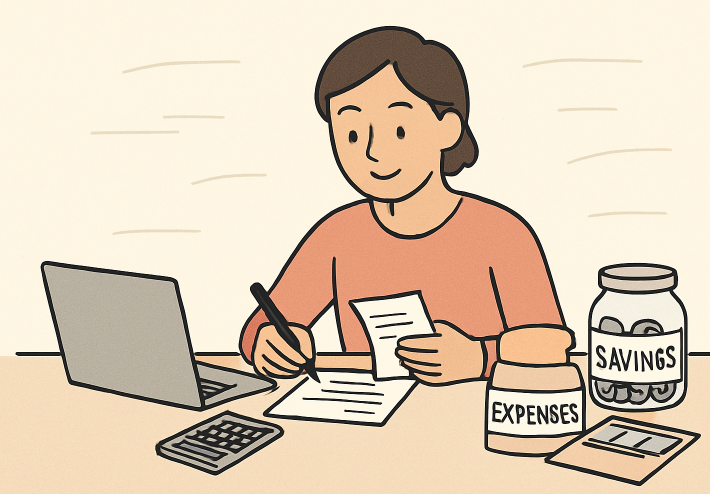
Life is unpredictable, and a robust emergency fund shields you from turning to high-interest debt in tough times. Aim for three to six months’ worth of living expenses kept in a liquid, accessible account. This practice ensures you have reserves for unexpected events, such as medical expenses, sudden home repairs, or job loss. According to CNBC, just having this safety net can relieve stress and provide invaluable peace of mind when challenges arise.
Manage Debt Effectively
Debt management is crucial for enhancing cash flow, particularly when carrying balances with high interest rates. Two popular strategies are the avalanche method (paying off the debt with the highest interest rate first) and the snowball method (focusing on the smallest debts for quick psychological wins). Select the option that best suits your personality and motivation. Remember, paying off even a small debt can free up monthly cash, which can then be redirected to other priorities, such as investing or increasing your emergency fund. A proactive approach keeps debt from becoming an overwhelming burden.
Invest in Financial Education
Financial literacy is an investment that pays ongoing dividends. Stay curious: read personal finance books, attend reputable workshops, and explore online resources from respected outlets like Forbes Advisor. Consult with experts if needed. Understanding concepts such as compound interest, tax planning, and responsible investing enables more informed decisions and improved cash flow management. The proper knowledge guards you from costly mistakes and paves the way for wealth accumulation.
Regularly Review Your Financial Plan
Your life, career, and financial priorities continually evolve, so your financial strategy should adapt as well. Plan to review your budget and goals regularly—ideally every quarter or whenever significant life changes arise—and make adjustments to stay aligned with your current circumstances. For example, when evaluating borrowing options, many people choose to apply online and use MaxLend loan inquiries as part of their comparison of short-term financial resources. Maintaining this kind of flexibility helps you stay on course, take advantage of new opportunities, and avoid unnecessary setbacks, ultimately safeguarding and optimizing your cash flow at every stage of life.
Taking control of your cash flow requires attention, discipline, and adaptability. By tracking your spending, automating money management, growing your income, building emergency savings, and staying financially educated, you put yourself in the driver’s seat. Strategic cash flow management leads to greater security, less stress, and the freedom to pursue your dreams with confidence.
Please visit my site, Itbetterthisworld, for more details.