
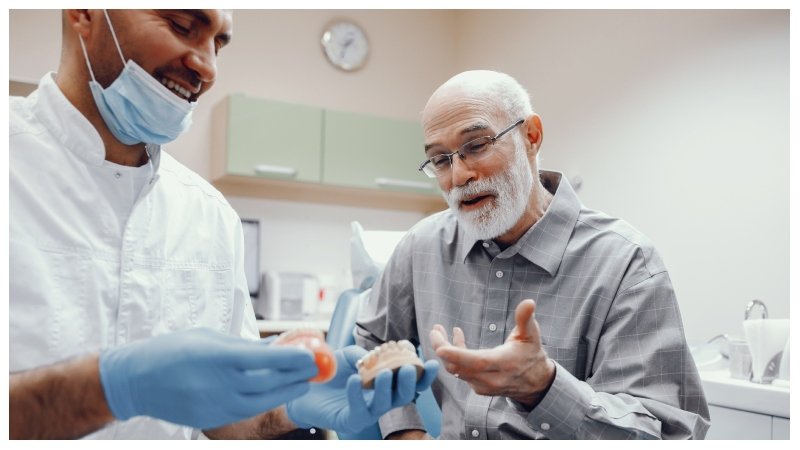
Dental implants have become a game-changer in the field of restorative dentistry, offering individuals with missing teeth a reliable, long-lasting, and aesthetically pleasing solution. Whether caused by injury, decay, or genetic conditions, the loss of teeth can impact not just your appearance but also the structure and health of your jaw. In places where dental innovations are at the forefront, patients benefit from leading-edge treatment options that carefully address each stage of the implant process to achieve optimal outcomes.
Implants restore far more than appearance; they can dramatically improve your speaking, eating, and overall oral health. However, the decision to pursue dental implants should not be made lightly. Like any surgical procedure, several essential factors must be considered, including health requirements, financial investment, and long-term benefits. Understanding the full spectrum of pros, cons, and alternatives is essential if you want to make a decision that aligns with your needs and lifestyle.
These restorations offer exceptional stability and longevity by fusing directly with the jawbone, helping preserve bone integrity and restore natural function. While bridges and dentures remain viable alternatives for certain patients, dental implants provide unmatched chewing efficiency, aesthetic appeal, and long-term oral health benefits. Consulting with a qualified dental implants South Florida professional ensures that the chosen approach aligns with both functional and personal goals, thereby supporting confidence, comfort, and overall well-being.
In this comprehensive guide, you’ll find a balanced look at the benefits, the drawbacks, who makes the best candidate, and what questions to ask your dentist before proceeding. We’ll also briefly review alternative solutions, so you know all your options.
It’s always important to base your decision on up-to-date and unbiased resources. The Mayo Clinic offers authoritative background information on implant safety, expectations, and candidacy considerations for those seeking more detailed guidance.
Benefits of Dental Implants
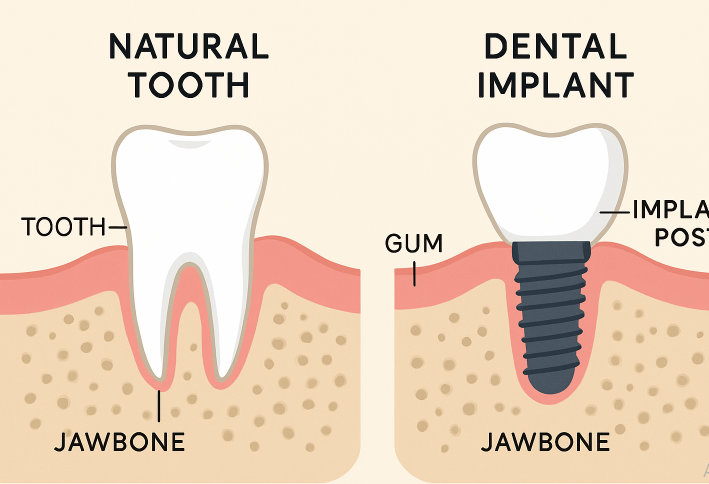
Dental implants offer numerous distinct advantages over other tooth replacement options, primarily due to the titanium post that anchors the implant, which is engineered to fuse directly with the jawbone through a process known as osseointegration. This critical integration confers exceptional stability and functionality to the implants.
When it comes to durability and longevity, well-maintained dental implants can endure for a lifetime, distinguishing them from alternatives like crowns, bridges, or dentures, which typically require replacement every few years. Research conducted by Harvard Medical School highlights the high success rates and minimal maintenance requirements of dental implants, underscoring their status as a viable long-term investment in oral health.
Moreover, dental implants play a crucial role in preserving jawbone integrity. After tooth loss, the jawbone in the affected area begins to deteriorate; however, implants act similarly to natural tooth roots, stimulating the jawbone and averting bone loss and the associated facial sagging that can accompany tooth loss.
Aesthetic appeal is another considerable advantage: the crowns used for implants are custom-made to match the color, shape, and size of the individual’s natural teeth, ensuring a seamless integration into the smile without issues such as slipping or clicking, which are problematic with other types of dental restorations.
Lastly, implants significantly improve functionality, as they are capable of restoring up to 90% of chewing power. This enhancement enables individuals to enjoy a wider variety of foods with confidence, eliminating the discomfort or restriction typically associated with less stable tooth replacement methods.
Drawbacks and Considerations
Dental implants offer substantial benefits but may not be appropriate for all individuals due to several important considerations. Firstly, the initial costs can be high, typically between $3,000 and $6,000 per tooth, with potential limitations in insurance coverage. Secondly, the treatment process is lengthy, often exceeding six months from evaluation to the final placement, necessitating an extensive healing period for the jawbone to integrate with the implant. Lastly, confident individuals, especially those with significant bone loss, uncontrolled diabetes, or specific autoimmune conditions, may not be suitable candidates for the procedure without further medical intervention.
Who Is a Good Candidate?
Candidates for dental implants must meet specific health criteria to ensure successful outcomes. They should have good oral health, which includes healthy gums and a sufficient jawbone to support the implant. Patients with bone loss may require dental bone grafting. Additionally, candidates should be in overall good health, with chronic conditions such as diabetes or heart disease effectively managed before surgery. Non-smoking status is also crucial, as smoking can notably increase the risk of implant failure due to its adverse effect on the healing process.
Alternatives to Dental Implants
For individuals who are not suitable for dental implants or seeking alternative options, traditional restorations offer viable solutions. Dental bridges function by using adjacent teeth as support to replace one or more missing teeth. This approach is noninvasive and can be completed relatively quickly; however, it necessitates altering the neighboring teeth for proper placement. On the other hand, partial or full dentures serve as removable appliances to address tooth loss in multiple or all teeth. Advances in modern materials have enhanced both the comfort and aesthetic appeal of dentures, although they may not offer the same level of stability as dental implants.
Questions to Ask Your Dentist
Before making your final decision, your consultation should address the following:
- Am I a suitable candidate for dental implants?
- What is the total cost, including all procedures and aftercare?
- Will my insurance cover implants?
- What is the timeline for the entire process from start to finish?
- What risks or complications should I be aware of?
- Are there alternatives to implants for my specific situation?
Weighing the benefits against the potential drawbacks—and consulting with a qualified dental professional—is key to achieving the best possible outcome for your individual needs and circumstances. Take the time to discuss all your options and ensure you have the fullest understanding before moving forward with dental implants.
Conclusion
Dental implants provide a stable and durable solution for tooth loss by integrating with the jawbone, thereby preserving bone integrity and restoring natural function and aesthetics. Although they entail a longer treatment and higher costs compared to traditional methods, the long-term benefits, such as improved oral health and increased confidence, can outweigh these factors. Appropriate patient selection and planning are crucial for success, as candidates need adequate bone structure and healthy gums. For those who are not suitable for implants, alternatives such as bridges or dentures are available. Ultimately, a qualified dental professional should guide the decision based on individual needs and circumstances.
Please visit my site, Itbetterthisworld, for more details.