
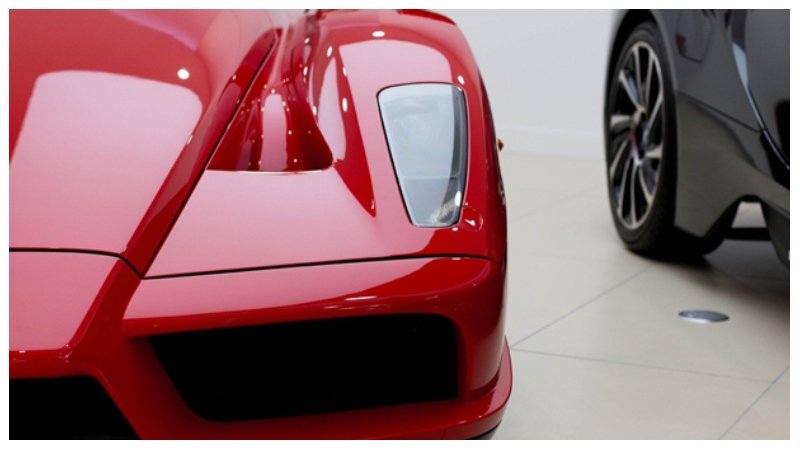
Getting a smooth and flawless car finish starts with the right tools. Using the best car paint supplies makes the job easier and the results more professional. Without them, even the best paint can look uneven.
Whether you are a beginner or an expert, having the right items is key. This guide covers the essentials you need for a perfect finish every time.
Sandpaper and Abrasives
Good sanding is the first step in painting a car. Sandpaper and abrasives help smooth out rough spots and remove old paint. Without them, the new paint will not stick properly.
Different grits are needed for different stages. Coarse grit removes heavy layers, while fine grit creates a smooth finish. Having a mix ensures your car surface is ready for paint.
These items are often overlooked, but they make a big difference. A smooth base coat means better paint application. Never skip this important step in preparation.
Choosing the Right Grit
For removing rust or old layers, use coarse grits like 80-120. For final smoothing, use finer grits like 400-600. The right grit ensures strong adhesion and a flawless finish.
Body Filler
Body filler helps repair dents and imperfections. It creates an even surface for painting. Without it, the paint will show flaws underneath.
Mix the filler with a hardener before use. Apply it carefully and sand it smooth once it sets. This ensures the surface looks level and polished.
Even small dents can ruin a paint job. Body filler fixes these issues quickly. It is a must-have in any painting project.
Applying Body Filler
Use a spreader to apply filler evenly. Allow it to dry fully before sanding. This will give the best results for painting.
Masking Tape and Plastic Sheeting
Masking tape protects areas you don’t want painted. It keeps lines sharp and prevents overspray. Plastic sheeting covers large areas like windows and tires.
Good masking saves time and reduces mistakes. It also keeps your paint job looking professional. Poor masking can ruin even the best work.
Always check that the tape is secure. Loose tape can allow paint to leak through. Remove the tape carefully after painting.
Using Masking Tools
Choose automotive-grade tape. Always press tape edges firmly to prevent leaks. Overlap the paper to cover more area. Double-check coverage before spraying paint.
Automotive Paint Sprayer
A quality sprayer makes painting smooth and even. It applies thin, controlled coats that reduce drips. A sprayer also saves time compared to brushes.
Sprayers come in different styles and sizes. Some are better for beginners, while others are designed for professionals. Choose one based on your comfort and project size.
Keep your sprayer clean. A clogged nozzle can ruin your finish. Regular maintenance ensures consistent performance.
Types of Sprayers
There are HVLP sprayers and conventional sprayers. HVLP uses less paint and creates less overspray. Conventional sprayers are often used for larger jobs.
Respirator Mask
Painting produces fumes that can be harmful. A respirator mask keeps you safe while you work. It filters out dangerous chemicals from the air.
Never paint without wearing protection. Breathing paint fumes can cause serious health problems. A good mask is a small but vital investment.
Comfort matters when choosing a mask. Make sure it fits well and seals tightly. Safety should always come first.
Cleaning and Storing Your Mask
Replace filters as recommended. Wipe down the mask after use. Store it in a clean, dry area for best performance.
Protective Clothing
Protective clothing keeps you safe and clean. Paint can damage your skin or clothes. Wearing the right gear makes the job safer.
Coveralls, gloves, and goggles are common choices. They protect against spills, fumes, and dust. Never start painting without proper protection to ensure painting work safety.
This also helps keep dirt and oils off the car surface. Cleaner surfaces mean better results. Protective gear is both smart and practical.
Best Options for Protective Gear
Look for lightweight, breathable coveralls. Use nitrile gloves for chemical resistance. Safety goggles protect eyes from paint mist.
Degreaser and Surface Cleaner
Before painting, surfaces must be free of grease and dust. A degreaser removes oil and dirt. Surface cleaners remove leftover residue.
Skipping this step can cause paint to peel. Clean surfaces ensure better adhesion. Always use a lint-free cloth to wipe surfaces dry.
Good preparation leads to long-lasting results. A small amount of cleaner goes a long way. Don’t rush this step.
Cleaning Steps
Apply the degreaser with a cloth. Wipe thoroughly and let it dry. Follow up with a surface cleaner for best results.
Primer
Primer is the base layer before applying paint. It seals the surface and helps paint stick better. It also hides small flaws in the surface.
Different primers are available for different needs. Some are designed for metal, while others work on plastic. Choose the right type for your project.
Without primer, paint may chip or peel. It provides durability and makes your final coat look better.
Applying Primer
Spray thin coats and let each layer dry. Avoid heavy coats to prevent runs. Sand lightly between coats for a smooth finish.
Base Coat Paint
The base coat gives the car its color. It is applied after the primer and before the protective layer. Choosing the right paint ensures a vibrant finish.
Base coats can be metallic, solid, or pearl. Each type offers a different effect. Select one that matches the style you want.
This step is where creativity comes in. But it also requires care and patience. A clean and even base coat is key to success.
Tips for Applying Base Coat
Spray in even strokes, overlapping slightly. Keep the gun at a steady distance. Allow each layer to dry before adding another.
Clear Coat
The clear coat protects the paint from damage. It adds shine and depth to the color. Without it, the paint will fade quickly.
A strong, clear coat makes the finish look professional. It also protects against UV rays, dirt, and moisture. This is the final step for a lasting paint job.
Applying a clear coat takes steady hands. Too much can cause runs, while too little may not protect enough.
How to Apply Clear Coat
Use thin, even layers for best results. Allow drying time between coats. Buff the clear coat after drying for extra shine.
Buffing and Polishing Pads
After painting, buffing makes the finish smooth. Polishing pads remove small scratches. They also bring out the shine in the clear coat.
Buffing takes practice, but it is worth the effort. The difference between dull and glossy is clear. Pads should be clean and in good condition.
Use polishing compounds with the pads. This creates a smooth and reflective finish. Always buff gently to avoid damaging the surface.
Choosing Pads
Foam pads are common for polishing. Wool pads are more aggressive for tough jobs. Select based on your needs.
Tack Cloths
Tack cloths remove dust before painting. They are sticky and trap particles easily. This prevents imperfections in your paint job.
Use tack cloths after sanding and cleaning. They catch dust that other cloths miss. Always use them before applying paint or primer.
Do not press too hard when wiping. Light pressure is enough to pick up dust. Replace the clothes when they lose their stickiness.
Best Use of Tack Cloths
Keep tack cloths sealed until use. This keeps them fresh and sticky. Store them in a clean, dry place.
Mixing Cups and Sticks
Mixing paint properly is key. Cups with measurements make it easy. Sticks ensure the paint is blended well.
Unmixed paint may not spray evenly. Colors can also appear inconsistent. Proper mixing avoids these problems.
Always mix in a clean container. Even small dirt particles can affect your work. Take your time and do it right.
Mixing Ratios
Follow the manufacturer’s guide. Some paints need thinner or hardener. Accurate ratios make a big difference.
Car Painting Equipment Storage
Storing tools properly keeps them in good shape. Clean equipment after each use. Store in a dry, safe place to avoid damage.
Organized storage saves time during projects. You will know where everything is. It also extends the life of your tools.
Keep paints sealed tightly. Exposure to air can dry them out. Proper storage reduces waste and saves money.
Smart Storage Solutions
Use labeled containers for small tools. Hang sprayers and hoses neatly. This keeps your workspace safe and efficient.
Detailing Supplies
After painting, detailing supplies help with the final finish. These include microfiber cloths, wax, and sealants. They bring out the shine and protect the paint longer.
Detailing keeps the car looking fresh even after the paint job. It prevents dust and dirt from dulling the surface. Regular detailing maintains that new-car look.
These supplies may seem small, but they complete the process. A well-detailed car stands out and feels professionally done.
Where to Get Quality Detailing Supplies
For quality and variety, check out these automotive paint & body supplies. They offer a wide range of trusted products. Having the right detailing tools ensures your hard work lasts longer.
Achieve a Flawless Finish with Essential Car Paint Supplies
Painting a car takes more than just paint and a brush. Each tool and supply plays a role in creating a professional result. From car paint preparation materials to finishing touches, every step matters.
With the right products, your paint job will last longer and look sharper. Investing in quality supplies saves time and reduces mistakes. Whether you are a beginner or expert, these essentials make a big difference.
Did you find this article helpful? Visit more of our blogs.