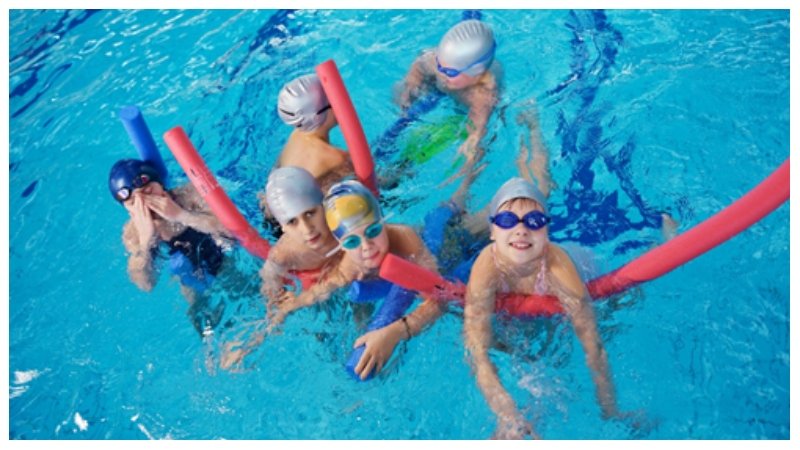
How can we help children stay safe and confident around water? Learning to swim is one of the most valuable life skills any child can gain. It’s not just about having fun at the pool or beach; it’s about safety, awareness, and confidence. Knowing how to swim can prevent accidents and save lives.
By teaching kids the right swimming skills early, parents and guardians can give them lifelong confidence in and around water. Let’s explore the essential swimming skills every child should learn for better water safety and enjoyment.
Floating and Breath Control
The first step in learning water safety is mastering floating and breath control. Floating helps children stay calm and relaxed in water, even if they become tired. It allows them to rest while keeping their heads above water. Learning to float on their back builds comfort and helps them feel secure in deeper areas.
Breath control is another key skill that teaches kids how to manage their breathing underwater. Children should practice blowing bubbles, taking deep breaths, and exhaling slowly while underwater. This helps them avoid panic and maintain control. These two skills create a strong base for learning other techniques. With practice and patience, kids can build the confidence to stay safe and comfortable in any swimming situation.
Kicking and Arm Movement Basics
After learning to float, children should focus on basic kicking and arm movements. Kicking helps them move through the water with balance and strength. A good way to start is by holding onto the pool’s edge or using a kickboard to practice flutter kicks. It builds leg power and helps them stay afloat longer.
Arm movements are just as important. Simple strokes, like the front crawl or backstroke, teach coordination and rhythm. As children practice moving their arms in smooth, even motions, they learn how to glide efficiently through the water. Combining kicking and arm movements builds endurance and better control.
Encouraging kids to practice regularly helps them develop strong swimming habits. Over time, these basic techniques will allow them to move easily and safely in both pools and open water. It’s all about building steady, confident movement step by step.
Treading Water for Safety
Treading water is one of the most valuable survival skills every child should learn. This skill allows a swimmer to stay upright in deep water without sinking or moving forward. It’s especially useful if a child gets tired or needs to wait for help. Learning to tread water builds stamina and improves safety awareness.
The technique involves a mix of gentle kicking and sculling movements with the arms. Children learn to keep their heads above water while staying calm. This calmness is key in real-life situations where quick thinking and balance are needed.
Treading water also helps strengthen core and leg muscles, which improves overall swimming ability. Local swim lessons often teach this skill early, ensuring kids understand both the technique and its safety value. With practice, treading water becomes second nature, giving children the confidence to handle unexpected moments in the pool or open water.
Learning Safe Entry and Exit Techniques
Knowing how to enter and exit the water safely is just as important as swimming itself. Children should always learn to check the depth of the water before jumping or diving. They should avoid diving into shallow areas and instead practice entering feet first. Teaching them to use pool ladders, steps, or the pool’s edge properly also helps prevent slips and falls.
When exiting, kids should push themselves up from the edge using both hands or climb the ladder carefully. This skill may seem simple, but it prevents many poolside accidents. For younger swimmers, understanding these steps builds awareness and responsibility.
Safe entry and exit techniques also help children respect their swimming environment. Whether in a pool, lake, or ocean, they learn to observe their surroundings and make smart choices. These habits support a safer and more enjoyable swimming experience for every child.
Building Confidence with Floating Transitions
Once a child becomes comfortable floating on their back and front, they can start learning how to transition between these positions. Floating transitions teach children how to move smoothly and confidently in the water. For example, rolling from a front float to a back float helps them recover easily if they ever get tired.
This skill also encourages body awareness and calm breathing. Instead of panicking when changing positions, kids learn to relax and trust their ability to stay afloat. Parents and instructors can guide them through gentle rolling and gliding exercises to make the process fun and safe.
As children master these transitions, they begin to see swimming as enjoyable, not scary. It helps them understand that staying safe in water doesn’t always mean constant movement; sometimes it means staying still, floating, and breathing calmly. These lessons build lasting confidence and self-control.
Basic Rescue and Safety Awareness
While swimming is often seen as a fun activity, teaching children basic rescue and safety awareness can make a big difference in emergencies. Kids should never enter the water to help someone in trouble unless they are trained. Instead, they can throw a float, reach out with a pool noodle, or call for an adult. These actions teach responsibility and safety.
Children should also learn to recognize signs of danger, such as strong currents, deep areas, or crowded pools. Understanding these hazards helps them make smart choices and stay aware of their surroundings.
Another key part of safety awareness is swimming with a buddy or under adult supervision at all times. Even skilled swimmers need to follow this rule. When kids know how to act safely, they protect themselves and others. These habits build not just water skills but also a mindset of care and responsibility.
Ensure Your Kids are Safe in Water with These Essential Swimming Skills
Teaching children essential swimming skills early builds confidence, safety, and a lifelong love for the water. Skills like floating, treading water, and proper entry and exit create a strong foundation for safety. By learning awareness and rescue basics, kids also gain the tools to protect themselves and others. These lessons go beyond swimming; they teach calmness, focus, and independence.
Encouraging children to practice regularly and even join local swim lessons can make a lasting difference. With guidance, patience, and positivity, every child can become a strong, confident swimmer.
If you enjoyed this article, explore our other blogs for more helpful tips.