
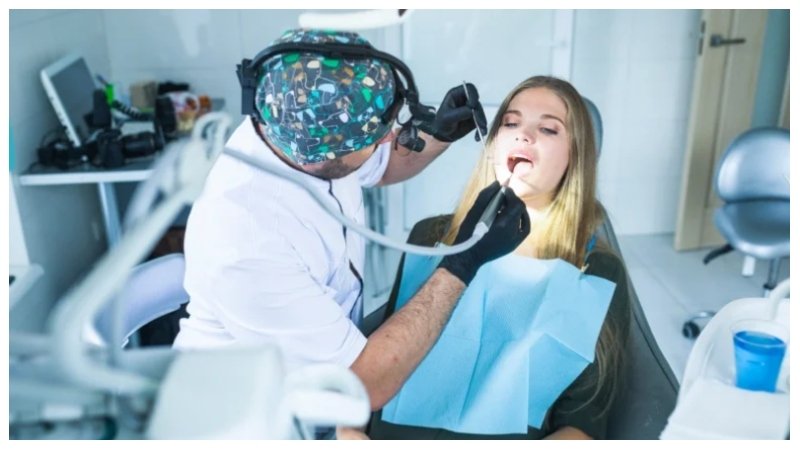
Addressing extensive tooth loss with modern solutions has never been more advanced or effective. Full-arch dental solutions, such as All-on-4 implants, offer patients a stable, natural-looking, and long-term option for restoring their smiles. For those seeking alternatives to conventional dentures—especially patients considering Full Mouth Dental Implants Walnut Ridge, AR—these treatments offer improved functionality and aesthetics, allowing people to regain both confidence and oral function.
Unlike removable dentures, full-arch dental implant solutions provide a secure fit, allowing for seamless support of daily activities without fear of slippage or discomfort. This not only ensures better oral health but also allows for a varied diet and more natural speech. Full-arch solutions have evolved considerably, making them increasingly accessible to those seeking a permanent dental restoration.
Key Takeaways
- Full-arch dental solutions provide a permanent replacement for missing teeth.
- They offer better stability, comfort, and appearance than traditional dentures.
- Modern dental technology has made these solutions more efficient, precise, and accessible.
Understanding Full-Arch Dental Solutions
Full-arch dental solutions represent the forefront in restorative dentistry for patients with significant tooth loss. In most cases, these systems utilize four or more dental implants per arch to support a complete set of durable prosthetic teeth. Techniques such as the All-on-4 approach minimize the number of implants needed and capitalize on strategic placement to achieve maximum strength and bone stimulation, which helps prevent further bone loss in the jaw.
The transformation is both functional and cosmetic, featuring custom prosthetic teeth designed to resemble and function like natural teeth. This approach not only gives patients a beautiful, confident smile but also enhances their ability to chew and speak comfortably.
Patients who have previously struggled with removable dentures often report significant improvements in their day-to-day quality of life after switching to implant-supported arches. This solution is anchored firmly in the jaw, eliminating the insecurity and inconvenience that can come with traditional dentures.
Benefits of Full-Arch Implants
- Enhanced Stability: Implant-supported arches are securely anchored to the jawbone, preventing slippage and the need for adhesives.
- Natural Aesthetics: Custom-crafted prosthetics are designed to look just like natural teeth, restoring confidence and self-esteem.
- Improved Oral Function: Patients can eat, speak, and laugh freely without worrying about their dentures moving or falling out.
- Bone Health: Implants stimulate the jawbone, maintaining bone density and facial structure over time—a significant advantage over removable restorations.
- Long-Term Investment: Although the initial cost is higher than that of traditional dentures, full-arch dental implants typically last longer and require less maintenance, offering greater value over time.
The Procedure: What to Expect
Step-by-Step Overview
- Consultation: A comprehensive evaluation, including X-rays or 3D scans, is conducted to assess oral health, bone density, and suitability for dental implants.
- Implant Placement: Dental implants are surgically inserted into the jaw in precisely planned locations, chosen to optimize support and reduce the need for bone grafts.
- Healing Period (Osseointegration): Over several weeks to months, the bone fuses with the implants, securing them in place.
- Prosthetic Fitting: After successful integration, a permanent, custom-designed dental arch is attached, restoring complete function and appearance.
Most patients can return to normal activities quickly after their implant procedure, and discomfort is typically manageable with over-the-counter pain relief. Your dental team will guide you through every step to ensure the best possible outcome.
For more information on dental implant procedures and patient outcomes, reputable resources such as the Mayo Clinic’s overview of dental implant surgery can provide trusted, detailed guidance.
Advancements in Dental Technology
New digital and robotic technologies are transforming dental implantology, allowing for greater precision and faster treatment times. Digital impressions and 3D treatment planning ensure implants are placed precisely where they are needed, optimizing both function and aesthetics. Robotic guidance can further reduce time in the chair and improve surgical accuracy.
Zirconia prosthetics, renowned for their strength and natural appearance, are now more widely available as a result of these innovations. Techniques such as immediate full-arch restoration allow patients to receive a new set of teeth, often on the same day as their surgery, streamlining the path to a revitalized smile. Harvard Oral Health Publishing provides further information on how dental implants and digital techniques are enhancing patient satisfaction and procedural success rates; read more here.
Candidacy and Considerations
Full-arch implants are suitable for adults who have lost most or all of their teeth in one or both arches, or for those dissatisfied with their removable dentures. Ideal candidates must have adequate bone density to support implants, be in good general health, and maintain proper oral hygiene practices. Chronic conditions, such as diabetes or osteoporosis, may impact healing and candidacy, making a thorough evaluation essential.
Your dentist will consider your medical and dental history, lifestyle, and expectations to design an optimal treatment plan. Pre-existing conditions affecting bone quality may require additional procedures, such as bone grafts, to ensure long-term success.
Aftercare and Maintenance
Caring for implant-supported prosthetics is similar to maintaining natural teeth, with daily brushing and flossing recommended. Regular check-ups—typically every six months—allow your dentist to monitor the health of both the implants and the surrounding gums.
- Brush at least twice daily using a soft-bristled toothbrush and non-abrasive toothpaste.
- Floss around the implants to remove trapped food particles.
- Avoid extremely hard or sticky foods to prevent damage to the prosthetics.
- Attend routine dental appointments for professional cleaning and evaluation.
With diligent home care and professional monitoring, full-arch dental solutions can last for many years, with some prosthetics and implants remaining in place for decades.
Cost and Insurance Coverage
Full-arch dental implants represent a significant financial investment, but they provide lasting benefits. Costs vary depending on the number of implants used, the quality of materials, and local pricing. While the upfront price may be higher than that of traditional dentures, the reduced maintenance, increased longevity, and preservation of oral health often offset these expenses over time.
Some dental insurance providers offer partial coverage for procedures related to full-arch implants, though coverage varies widely. Consulting with your dental provider and insurance company is the best way to anticipate costs and explore available payment options.
Conclusion
Full-arch dental solutions are transforming the landscape of restorative dentistry. With innovations in technology and materials, more people than ever can enjoy the confidence, function, and health benefits of a secure, beautiful smile. If you are exploring your options for restoring your smile after significant tooth loss, consult a dental professional to see whether full-arch dental implants are right for you. Visit my website for more details.