
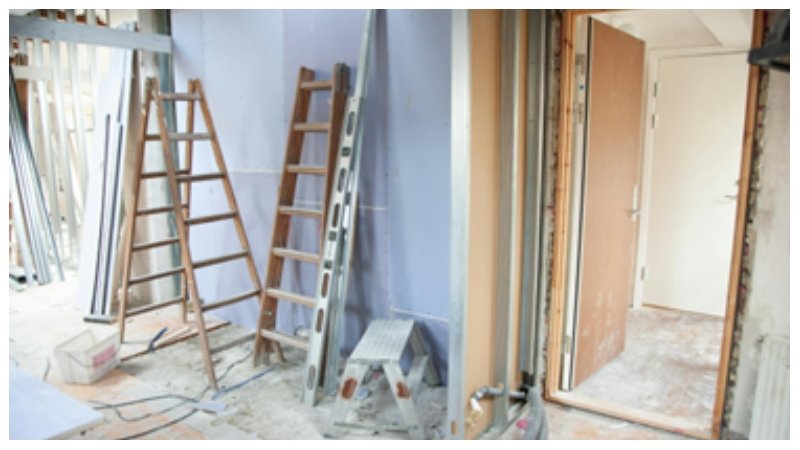
Ever start a simple renovation project in your New York home only to discover that behind every wall is a secret, expensive surprise? Renovating here often feels like opening a box labeled “mystery expenses and mood swings.” Between tight building codes, older infrastructure, and rising material costs, nothing ever goes quite to plan. In this blog, we will share how to handle unexpected problems during renovation without losing control—or your mind.
When You Find More Than You Bargained For
No matter how solid your budget or how detailed your plan, something unexpected will show up. The leak behind the kitchen wall. The wiring is not up to code. The mystery pipe that nobody can identify but absolutely must stay in place. These moments are more common than people think, and they hit hardest when you’re already knee-deep in dust, invoices, and second guesses.
You can’t prevent every surprise, but you can be ready to deal with them in a way that doesn’t derail your entire project. Flexibility becomes a skill, not just a mindset. Renovation rarely goes from point A to point B without some detour through “what now?” territory.
Take mechanical upgrades, for example. Homeowners often assume their heating and cooling setup will work with whatever new space they’re building. But that’s not always true. If you open up a wall and realize ductwork can’t fit where you expected, you’ll need another option—fast. Many turn to ductless systems, especially in smaller or uniquely shaped spaces where traditional solutions fall short.
Professionals who install ductless heating in Staten Island, NY often see this play out. A project starts as a cosmetic update, and suddenly it needs a whole new approach to climate control. Ductless systems offer a fast, efficient fix without requiring major structural changes. They’re energy-efficient, flexible, and ideal when unexpected limits on space or access make the original HVAC plan useless. Having adaptable technology in your corner can turn a surprise obstacle into a smart improvement.
Not every setback is solved so cleanly, of course. But the point is this: the faster you adjust your expectations and explore new solutions, the smoother your project will go—even if it no longer looks like the plan you started with.
Budget Isn’t Just a Number; It’s a Buffer
Most renovation budgets are optimistic guesses dressed up as spreadsheets. You list out your materials, assign costs, pick a contractor, and maybe add a little wiggle room for “contingencies.” Then the first wall comes down, and the electrician tells you there’s knob-and-tube wiring behind it. Goodbye, extra funds. Hello, panic.
A realistic renovation budget includes a 15 to 25 percent buffer—minimum. This isn’t just padding. It’s a cushion for every time reality doesn’t match your estimate, which is often. Material prices spike. Delivery gets delayed. A subcontractor no-shows. Or something breaks during installation. It’s not bad luck—it’s just how construction goes.
Having a buffer doesn’t just protect your wallet. It protects your timeline and your peace of mind. Without it, every new challenge becomes a crisis. With it, you treat hiccups like detours instead of disasters. And if you finish under budget? Congratulations, you’ve just bought yourself some breathing room or an upgrade you thought you couldn’t afford.
Also, track every cost as you go. Renovation scope creep is real. A small upgrade leads to another. A new backsplash suddenly needs a matching counter. Documenting expenses helps you see where the money’s actually going, which helps curb impulse decisions made in the middle of construction chaos.
Communication Isn’t Optional
The most beautiful renovation plans can fall apart with poor communication. Contractors misunderstand drawings. Homeowners misread timelines. Subcontractors make decisions without looping in anyone else. All of it leads to errors, frustration, and extra work.
Avoid assuming everyone’s on the same page. Be explicit. Write things down. Confirm. Then confirm again. Yes, it feels repetitive. But it’s a lot less painful than reordering custom cabinets because someone misread the layout and left three inches too little clearance.
Hold weekly check-ins. Whether in person or virtual, these meetings give everyone a consistent space to ask questions, raise issues, and adjust timelines. If you skip them, problems pile up. Deadlines shift without warning. And eventually, someone installs the wrong tile in the wrong room while you’re on a business trip.
And while it might feel awkward, don’t be afraid to speak up when something looks off. You’re not being difficult—you’re being responsible. No contractor wants to redo work, and most will appreciate early feedback that avoids bigger issues down the line.
Expect Delays—Plan for Them
Renovation delays aren’t exceptions; they’re standard operating procedure. Weather, supply chains, labor shortages, and inspection hold-ups—all of these things slow things down. Your three-month kitchen redo might become five. And your “small addition” might be waiting on windows that were supposed to ship two weeks ago.
You can’t control every factor, but you can build delay time into your plan. Don’t schedule houseguests or throw parties right at the end of your projected timeline. Don’t assume your kitchen will be usable the moment it’s technically done. And absolutely don’t plan to travel the week new appliances arrive.
If your renovation affects daily life—like shutting down bathrooms, removing entryways, or tearing up the driveway—have a backup plan ready. That could mean booking a few nights in a hotel or moving in with family temporarily. The idea is to reduce your stress when the project doesn’t follow the schedule perfectly, which it won’t.
A flexible timeline helps everyone work better. Contractors feel less pressure to rush. Mistakes are easier to avoid. And your expectations stay realistic, which keeps everyone a little saner.
Roll With It, But Stay Involved
You don’t need to micromanage every nail and screw. But being present, informed, and responsive makes a real difference. Ask questions. Visit the site often. Watch the work without hovering. Your involvement signals that you care about the outcome—and lets you spot issues early, when they’re easier to fix.
Renovation always includes decisions you didn’t plan to make. A product is backordered, and you need a substitute. A beam is rotted, and the framing has to change. You’ll be asked for quick answers, and your response can affect cost, timing, and design.
The better prepared you are to think on your feet, the less likely those surprises will feel overwhelming. And while not every fix will be ideal, many lead to solutions that improve the final result.
In the end, the chaos fades, the dust clears, and what’s left is your updated space—stronger, smarter, and hopefully better than what you started with. Surprises will come. Problems will happen. But if you’re ready to adapt, you won’t just survive the renovation. You’ll come out of it with something worth the mess it took to build.
Please visit my site, Itbetterthisworld, for more details.