
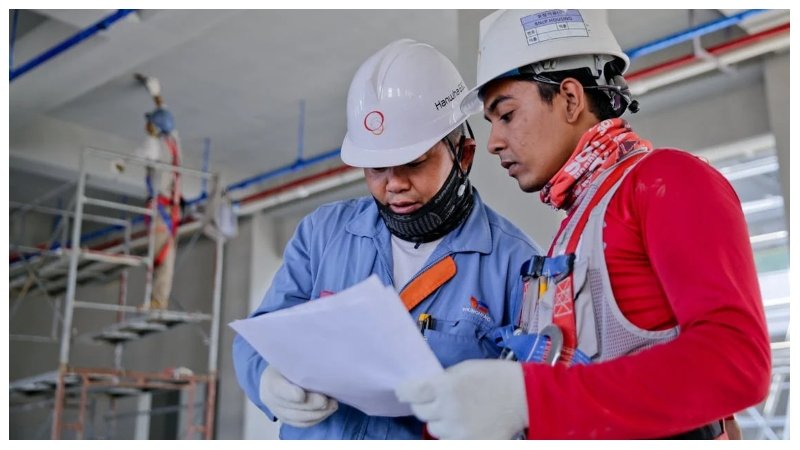
It goes without saying that the construction industry is a high-risk sector. According to a 2023 survey, more than 1,000 construction worker fatalities were recorded in the U.S., making construction one of the most dangerous industries.
Implementing safety protocols is the only way to prevent accidents and ensure the safety of workers, supervisors, contractors, and project managers. Not sure where to begin? We’re here to help. Follow these five tips to create a more secure construction site:
1. Understand Common Construction Site Hazards
First things first, familiarize yourself with common hazards on construction sites. The Occupational Safety and Health Administration (OSHA) has identified the “Focus Four” hazards, which are responsible for the majority of construction site incidents. This includes:
Falls—this is the leading cause of fatalities in construction. Falls occur due to unmarked or unguarded edges and slippery conditions.
Struck by—injuries occur when workers are hit by moving vehicles or falling objects.
Caught in between—workers are at risk of being crushed by collapsing equipment or materials.
Electrocutions—Uncovered power lines and improperly grounded equipment put workers at risk of electrocution.
2. Use Protective Gear and Equipment
This is a no-brainer. As a construction site owner or project manager, make sure workers wear personal protective equipment (PPE). This includes specialized:
- Helmets
- Gloves
- Boots
- High-visibility vests
- Glasses
Moreover, PPE must be well-maintained and correctly fitted to ensure complete safety.
3. Ensure Safe Access to Elevated Areas
As hinted earlier, working at heights is one of the leading causes of injuries on construction sites. Therefore, workers must have a safe, secure, and well-designed access system to elevated areas. The following equipment can be used:
- Guardrails and toe-boards
- Scaffolding
- Safety nets
A platform scaffold, in particular, offers a level working surface that allows workers to move, handle tools, and carry materials safely. Mobile scaffolds are also highly recommended because of their safety features, which include:
- Locking wheels
- Guardrails
- Stabilizers
Other features include height adjustability and easy assembly.
4. Maintain Tools and Equipment
A construction site becomes incredibly hazardous when tools and equipment aren’t regularly maintained. This can lead to malfunctions, unexpected failures, and serious injuries.
For instance, a heavy machine with worn cables or loose parts can create unsafe working conditions. Such equipment should be immediately repaired or replaced.
Schedule routine maintenance to detect minor issues before they turn into major expenses. This will also help you avoid hefty fines imposed by regulatory bodies for unsafe working conditions.
5. Encourage a Safety-First Culture
One of the best ways to prevent accidents at a construction site is to promote a safety-first culture. Here are some best practices you can adopt:
- Lead by example. Make sure supervisors and project managers wear proper protective clothing and equipment.
- Enforce clear safety policies and procedures.
- Provide regular, relevant training to keep practices sharp.
- Conduct pre-shift and ongoing site checks for hazards like malfunctioning equipment.
- Set procedures to handle emergencies.
- Use signs, posters, or digital reminders to ensure everyone is following safety measures.