
What Residential Bin Rentals Entail
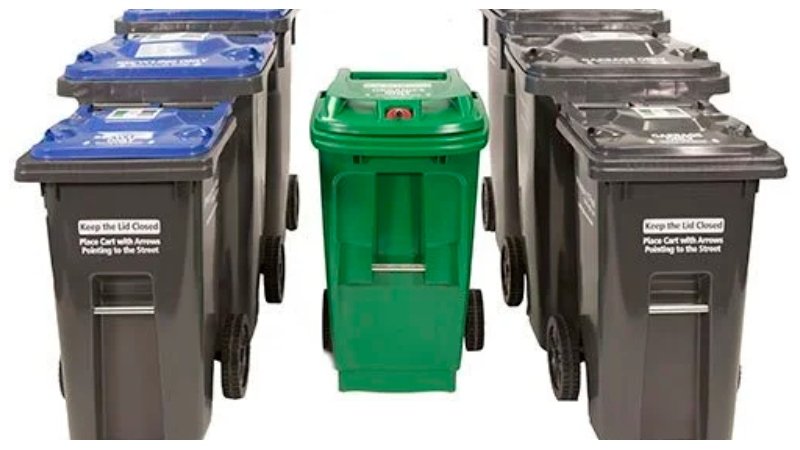
When you’re planning a project, whether it’s a big cleanout or a home renovation, renting a garbage bin is often a necessary step. This service involves a company delivering a large container, or bin, to your property for a set period. You then fill this bin with the waste and debris generated by your project. Once it’s full or the rental period is up, the company returns to haul it away. Providers like Dispose Your Stuff also offer convenient residential bin rentals, giving homeowners an easy way to manage waste without multiple trips to the dump. It’s a straightforward process designed to manage large amounts of waste efficiently. Many people find that using a dedicated garbage bin simplifies the cleanup phase of any project.
Benefits of Using Residential Bin Rentals for Projects
Opting for a residential bin rental offers several advantages. Firstly, it keeps your property tidy and safe by containing all the mess in one place. This is especially helpful for DIY projects where materials can pile up quickly. Secondly, it saves you multiple trips to the landfill or recycling center, which can be time-consuming and costly. A bin rental means all your waste is handled in one go. This service is designed to make waste disposal convenient and hassle-free for homeowners.
Key Considerations Before Booking
Before you book a garbage bin, there are a few things to keep in mind. You’ll need to figure out the right size bin for your job to avoid paying for too much space or needing a second bin. Also, consider how long you’ll need the bin; rental periods can affect the overall cost. Finally, be aware of what you can and cannot put in the bin, as certain items might incur extra fees. Understanding these points up front will help ensure a smooth rental experience.
It’s always a good idea to ask questions about the rental agreement. Don’t assume anything; clarify all terms and conditions before the bin arrives.
Determining the Right Bin Size
Matching Bin Size to Project Scope
Choosing the correct garbage bin size is a big deal for any project. Think about what you’re actually getting rid of. A small bathroom remodel will need a much smaller bin than a full house demolition. It’s easy to think bigger is always better, but that’s not always the case. Renting a bin that’s too large means you’re paying for space you won’t use. This can really add up, especially if you’re on a tight budget.
Consider the materials you’ll be discarding. Are you tearing down walls with drywall, or just clearing out old furniture? Different materials have different volumes. A 10-yard bin might be perfect for a garage cleanout, holding about three truckloads of junk. For a larger job, like re-shingling a roof, you might need a 20-yard bin, which can handle about six truckloads. Getting the bin size right from the start saves headaches later.
The key is to accurately estimate the volume of waste your project will generate. Don’t guess; take a moment to list out the items you plan to dispose of. This careful planning helps avoid common pitfalls and ensures you get the most value from your rental. Remember, the right bin size makes the whole cleanup process smoother.
Rental Duration and Scheduling
Aligning Rental Time with Project Needs
When you book a garbage bin, figuring out how long you’ll need it is a big part of the process. It’s not just about getting the bin there; it’s about having it for the right amount of time. Think about your project’s timeline. A small cleanup might only need a day or two, while a big renovation could stretch for weeks. Getting the rental duration wrong can lead to extra costs or delays.
It’s smart to talk to your rental provider about typical project timelines. They’ve seen a lot and can offer good advice. They know that some projects, like a simple garage cleanout, are quick. Others, like a full kitchen remodel, take much longer. Planning helps you avoid needing the bin longer than you booked it for.
Consider the actual work. Will you be tearing down walls, hauling out old appliances, or just clearing out clutter? Each scenario has different time demands. A good rental duration aligns perfectly with your project’s pace, making waste removal smooth and efficient.
Avoiding Overages and Extra Costs
Nobody wants to pay more than they have to. One common way costs add up is by keeping the garbage bin longer than your rental agreement allows. These overages can be surprisingly expensive. It’s like paying a daily fee that quickly eats into your budget.
To dodge these extra charges, be realistic about your project’s completion date. It’s often better to book for a slightly longer period than you think you’ll need, rather than risk an extension fee. However, don’t go overboard and book for too long either, as that also costs more upfront.
Always check the rental contract for details on daily or weekly rates and any penalties for exceeding the agreed-upon time. Knowing these terms upfront helps you manage your rental duration effectively and keep costs down.
Strategic Scheduling for Availability
Booking your garbage bin at the right time is key, especially during busy seasons. Think about when most people are doing renovations or big cleanups. Spring and summer are often peak times for these projects, meaning demand for bins goes way up.
If you wait too long to schedule, you might find that all the bins are already booked. This can force you to delay your project or settle for a bin that isn’t quite right. Booking your garbage bin well in advance is a smart move.
Try to schedule your bin delivery and pickup to fit your project’s workflow. If possible, have it arrive just as you’re ready to start generating waste and schedule the pickup for shortly after you finish. This strategic scheduling ensures you have the bin when you need it and don’t pay for it longer than necessary.
Navigating Bin Placement and Permits
Driveway Placement vs. Public Property
When you rent a garbage bin, where you put it matters. The simplest option is usually your own driveway. If it fits and doesn’t block anything important, like sidewalks or fire lanes, keeping the bin on your property is generally fine. This is the easiest way to handle waste from smaller jobs, like a weekend garage cleanout.
Things get more complicated if the bin needs to go on public land. This includes streets, curbs, or even boulevards. Placing a bin on public property often means you’ll need a permit from the city. Mississauga, like other municipalities, has rules to keep traffic flowing and public spaces clear. Always check if your chosen spot requires special permission.
It’s tempting to let a bin hang over the edge of your driveway onto the street, but even a few inches can cause issues. Bylaw officers can issue fines or demand immediate removal if the bin isn’t properly permitted and placed. Understanding these bin placement rules upfront saves a lot of hassle.
Understanding Municipal Permit Requirements
Permits are your official go-ahead for placing a bin on public land. These are typically required for bins on streets, sidewalks, or other shared areas. Each city has its own set of rules about how long a bin can stay, how much space it takes up, and any safety measures needed.
Mississauga’s permit process is designed to manage public space effectively. You’ll usually apply through the city’s website or by visiting city hall. While the rental company can tell you if a permit is likely needed, it’s ultimately your responsibility to obtain it. This ensures you’re following all local regulations.
Skipping the permit process can lead to fines and the forced removal of your bin, halting your project in its tracks.
Consequences of Skipping Permits
Ignoring permit requirements can lead to unexpected problems. If a bylaw officer spots an unpermitted bin on public property, they can issue fines. In some cases, they might order the bin removed immediately. This can cause significant delays and add extra costs to your project.
Imagine your renovation crew showing up ready to work, only to find the bin gone because of a missing permit. This mistake can cost you valuable time and money in labor and project extensions. It’s always better to be safe than sorry when it comes to municipal rules and bin rentals.
Here’s what can happen:
- Fines from the city
- Mandatory bin removal
- Project delays
- Additional fees from the rental company for relocation
- Potential legal issues if public access is significantly blocked
Prohibited Items and Load Restrictions
Mississauga residents need to be aware of what can and cannot go into a rental bin. Ontario has strict rules about waste disposal, and rental companies must follow them. Putting the wrong items in your bin can lead to extra fees, delays, or even rejected pickups. It’s always better to check what you’re tossing than to face unexpected charges later.
Understanding what you can and can’t put in a bin is key to a smooth rental experience. Many common household items require special disposal methods. These aren’t just arbitrary rules; they’re in place to protect the environment and prevent contamination of loads. If you’re unsure about an item, a quick call to your rental provider can save you a lot of hassle.
Commonly Restricted Materials
Certain materials are strictly prohibited from rental bins due to disposal regulations and safety concerns. These often include hazardous waste, electronics, and items containing refrigerants. Always confirm with your provider if you’re uncertain about a specific item.
- Paint (even dried cans)
- Propane tanks and fuel containers
- Tires and car parts
- Refrigerators, freezers, and air conditioners (anything with coolant)
- Electronics like TVs and computers
- Household and industrial batteries
- Chemicals and hazardous waste
Understanding Weight and Fill Limits
Beyond specific prohibited items, bins also have weight and fill restrictions. Overfilling a bin or exceeding its weight limit can cause safety issues during transport and lead to additional charges. Different bin sizes have different weight allowances, especially for dense materials like concrete, tile, or soil.
- Fill Limit: Do not fill the bin past the top rim. Materials sticking out make it unsafe to tarp and transport.
- Weight Limit: Dense materials can quickly exceed the bin’s weight capacity. Check the allowance for your specific bin size.
- Safe Transport: Exceeding limits can result in refused pickup or extra fees for the hauler.
Always err on the side of caution. If you’re close to the fill line or unsure about the weight of your materials, it’s best to ask for advice before the scheduled pickup. A quick photo sent to your provider can clarify things.
Avoiding Contamination Fees
Contamination occurs when prohibited items mix with acceptable waste, potentially ruining an entire load. For example, a leaky paint can could contaminate a load of clean renovation debris. This contamination can result in significant fees at the disposal facility, which are then passed on to the renter. To avoid these fees, be mindful of what goes into the bin and double-check for any questionable items before the pickup date. If you have items that require special disposal, your rental provider can often offer guidance on proper procedures.
Choosing a Reputable Rental Provider
Importance of Provider Reputation
When you’re looking to rent a garbage bin for your Mississauga project, picking the right company matters. A good provider makes the whole process smoother. They’ll have clear communication and be upfront about everything. A solid reputation means they care about their customers and their service.
Inquiring About Safety Guidelines
Safety is a big deal with these bins. Ask potential rental companies about their safety practices. Do they give you tips on how to handle the bin safely? This shows they’re thinking about more than just dropping off a container. A responsible provider will inform you about what can and cannot go into the bin, preventing issues later on.
Comparing Rental Quotes and Contracts
Don’t just go with the first price you see. Get quotes from a few different places. Look closely at what’s included in the price. Are there extra fees for things like delivery, pickup, or certain types of waste? Understanding the contract fully helps you avoid surprises and ensures you’re getting a fair deal for your garbage bin rental.
Here’s a quick look at what to compare:
- Pricing Structure: Is it a flat rate or based on weight/duration?
- Included Services: Delivery, pickup, landfill fees?
- Contract Terms: Rental period, late fees, cancellation policy?
- Customer Reviews: What do other people say about their service?
Always read the fine print. Hidden charges can quickly turn a simple garbage bin rental into an expensive headache. Make sure you know exactly what you’re agreeing to before signing anything.
Wrapping Up Your Bin Rental Plans
So, when it comes to renting a garbage bin for your project in Mississauga, it’s not just about picking the biggest one you see. Thinking ahead about the size you really need, when you’ll need it, and where it will go makes a big difference. Also, knowing what you can and can’t toss in there can save you from unexpected fees. By taking a little time to sort these details out before you book, you’ll make the whole process smoother and keep your project on track without any costly surprises. It’s all about being prepared so you can focus on getting the job done.
Please visit my site, Itbetterthisworld, for more details.