

Introduction to Laser Dentistry
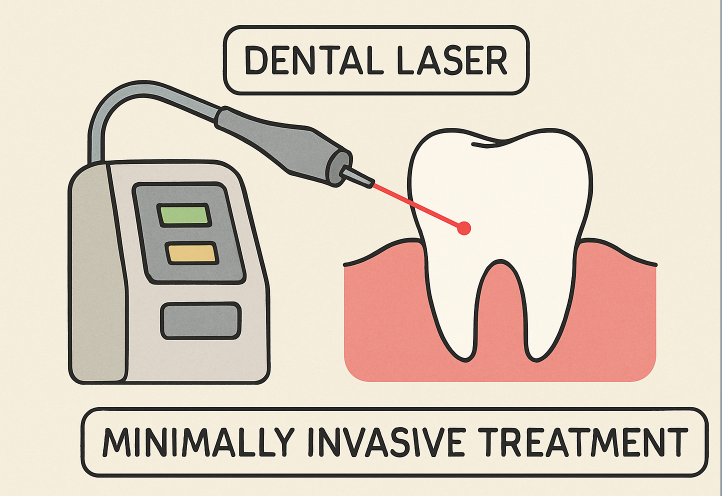
Laser dentistry is setting a new standard in dental care, offering more comfortable, accurate, and efficient procedures. By harnessing focused light energy, dentists can address oral health issues with remarkable precision and less discomfort for patients, making it a preferred option for those seeking high-tech dentistry in Delaware, OH. Adopting lasers in dental care is paving the way for less invasive approaches, resulting in shorter appointments and fewer visits overall.
Patients and dental professionals alike appreciate that laser technology can be used on soft and hard tissue, reducing the trauma commonly associated with older techniques. With the ability to minimize pain and swelling, laser dentistry fosters a more positive experience for patients of all ages. This innovative technology is rapidly becoming a cornerstone in progressive dental practices, especially for procedures that once required extensive numbing or lengthy healing periods.
As modern dental practices embrace the advancements offered by laser technology, patients must understand how this revolutionary tool works and why it is an increasingly popular choice. Whether undergoing gum reshaping, cavity treatment, or soft tissue surgery, more patients are discovering the benefits of receiving care minimally invasively.
Key Takeaways
- Laser dentistry is transforming patient care with precise, minimally invasive techniques.
- Benefits include less discomfort, quicker recovery, and reduced need for anesthesia.
- Laser technology is versatile, treating cavities, reshaping gums, and accelerating whitening.
- Laser treatments are safe, with ongoing advancements promising even greater capabilities.
Comparing Laser Dentistry to Traditional Methods
Conventional dental tools, such as drills and scalpels, have been the mainstay for decades but come with notable drawbacks—noise, vibration, pain, and the potential for removing more healthy tissue than necessary. In contrast, North Orange Family Dentistry utilizes advanced laser dentistry that is nearly silent, causes minimal discomfort, and allows for extremely precise targeting of affected areas. As a result, healthy tissue preservation is maximized, and the need for stitches is often eliminated.
Additionally, laser technology often enables procedures to be performed in less time, which means fewer and shorter appointments for the patient. This approach aligns closely with the principles of minimally invasive dentistry, which seeks to treat disease and protect as much of the patient’s natural anatomy as possible.
Safety and Efficacy of Laser Treatments
Laser dental procedures are safe and highly effective when conducted by a skilled and certified practitioner. Regulatory organizations such as the Food and Drug Administration (FDA) and the American Dental Association carefully regulate dental lasers and enforce strict standards. With proper training, dentists use lasers at the correct wavelength and power setting for each procedure.
Studies have shown that lasers can often reduce postoperative infections due to their sterilizing effect, making them particularly appealing for those prone to oral health complications. As with any medical procedure, patients must discuss their medical history and concerns with their dental provider beforehand.
Future of Laser Dentistry
The future of laser dentistry promises even greater innovations, allowing for increasingly precise, comfortable, and versatile treatments. Emerging research and ongoing technological advancements are broadening the range of dental conditions treatable by lasers, including those in pediatric and surgical dentistry. Practitioners continue to adopt enhanced techniques and equipment, ensuring that care remains modern, minimally invasive, and tailored to the patient’s needs.
As new evidence-based practices emerge, more dental offices will equip themselves to offer these high-caliber treatments, expanding access and improving oral health outcomes across the industry.
Final Thoughts
Laser dentistry is pivotal in minimally invasive dental treatments, offering many advantages over traditional procedures. Patients benefit from faster healing, less discomfort, and reduced need for numbing injections, all while experiencing state-of-the-art care. As laser technology continues to evolve, its role in everyday dental practice will grow, making it an essential feature of progressive oral health care. For those seeking excellence and innovation, exploring laser dental options is a promising path toward better oral wellness.