
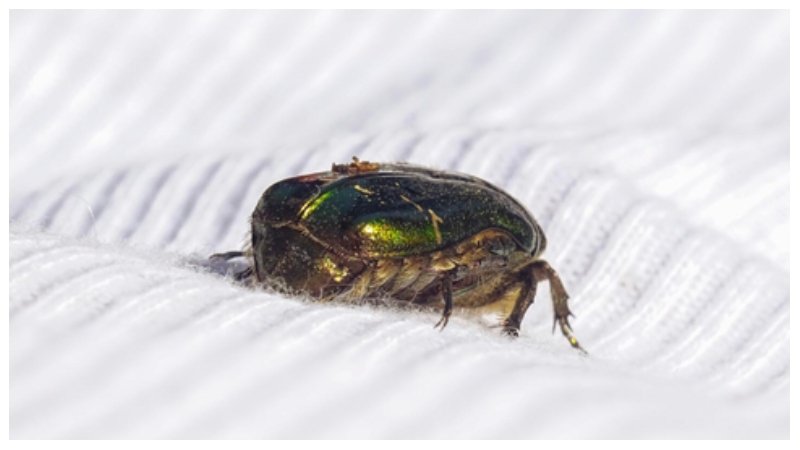
Bed bugs are more than just a nuisance. These small, reddish-brown insects can disrupt sleep and cause itchy bites, turning peaceful nights into restless ones. What makes them even more concerning is how quickly they can multiply.
A single female bedbug can lay up to 500 eggs in her lifetime, allowing infestations to grow fast if not treated. To keep your home healthy and comfortable, it’s important to understand how to spot, treat, and prevent bed bugs. With the right knowledge and actions, you can stop an infestation before it becomes a bigger problem.
Keep reading to uncover all the details.
How to Detect Bed Bugs Early
The first step to getting rid of bed bugs is knowing how to find them. Because they are small, about the size of an apple seed, they can easily hide in tight spaces. You may notice tiny reddish-brown insects crawling on your mattress, bedding, or furniture.
Sometimes, small dark stains appear on sheets or nearby surfaces. These spots are bed bug droppings, one of the most common signs of their presence.
You might also find tiny eggs or shed skins in the seams of mattresses, along baseboards, or inside furniture cracks. Another clue is unexplained bites on your skin, especially if they appear in a line or cluster. These bites often itch and may occur after sleeping.
It’s a good idea to inspect your bed and surrounding furniture regularly. Early detection can prevent a small infestation from becoming a widespread issue.
Effective Ways to Treat Bed Bugs
Once bedbugs are discovered, it’s time to move into treatment. Removing them completely takes effort, but there are several effective methods that can help.
Bed bugs cannot survive in high temperatures. Professional exterminators often use heat treatments to raise the temperature of a room enough to kill both bugs and their eggs.
Another option is chemical treatment. Some pesticides are made specifically to target bed bugs. These should always be used according to label instructions and in well-ventilated areas.
Regular vacuuming also helps reduce the population. Vacuum along baseboards, under furniture, and on mattresses, then seal and dispose of the vacuum bag immediately. Combining these methods usually works best since no single treatment is perfect on its own.
Preventing Future Infestations
Prevention begins with awareness and regular cleaning. Always inspect your luggage after traveling, especially if you’ve stayed in hotels. Bed bugs can hitch a ride in suitcases or clothing, and even baby bed bugs, which are nearly translucent and much harder to spot, can start an infestation if overlooked.
If you purchase secondhand furniture, carefully inspect and clean it before bringing it into your home. Also, sealing cracks in walls and flooring can block potential entry points.
By staying alert and maintaining a clean environment, you reduce the chances of these pests returning and protect your home from future invasions.
Taking Back Your Home
Dealing with bedbugs can be stressful, but it’s a problem that can be solved. Understanding how they live and spread gives you the power to stop them effectively. Detection, treatment, and prevention all play a role in keeping your space safe.
If the infestation feels overwhelming, remember that professional pest control services are trained to handle these situations. With the right strategy and a bit of persistence, you can regain control of your home. Stay proactive, and enjoy peaceful, bite-free nights once more. For more on this topic, visit the rest of our blog!