
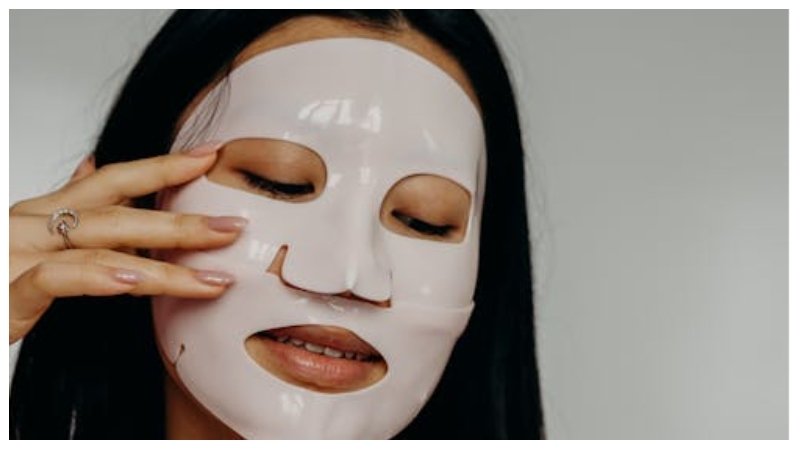
Have you ever wondered why taking care of yourself can feel like another item on a long to-do list? Personal wellness is everywhere in today’s culture, from social media trends to conversations about burnout. The idea of “wellness” has grown far beyond meditation apps and gym memberships. It now reflects a larger shift toward reclaiming your time, energy, and sense of balance in a world that never slows down.
Understanding Wellness in Today’s Culture
Wellness is no longer a niche interest. It has become a response to real-world pressures, like rising workplace stress, digital overload, and the growing national conversation about mental health. Many people now see personal wellness as a way to create control in a fast-moving society. Instead of focusing strictly on diets or workouts, the conversation has moved toward caring for the whole person and making choices that support a steady, fulfilling life.
This shift is supported by broader societal trends. News cycles regularly highlight employee burnout, and large companies publicly announce four-day workweek experiments. People want sustainable routines that help them function well rather than short bursts of motivation that quickly fade. This new definition of wellness encourages thoughtful habits, realistic expectations, and small, consistent improvements that add up over time.
Moving Past Quick Fixes and Marketing Noise
The challenge is that wellness has also become a major industry. Everywhere you look, you’ll see ads for supplements, productivity planners, and treatments that claim to deliver total transformation. Sorting through these options takes real awareness, especially when so much messaging promises instant results. The truth is that wellness is not a 30-day challenge but a long-term investment that grows as your needs change.
Within this landscape, people often turn to professionals who offer reliable support rather than flashy promises. Places like Eliopoulos Plastic Surgery & Med Spa have seen increased interest because individuals want personalized care that reflects their goals instead of one-size-fits-all advice. This trend shows how people are shifting from quick fixes to thoughtful decisions. By seeking credible guidance, they build a wellness journey that aligns with their daily lives rather than reacting to the latest trend.
Building Supportive Habits That Feel Realistic
Wellness becomes more meaningful when you focus on habits that fit into your actual lifestyle rather than an idealized version of it. This often means starting with manageable steps you can maintain even on busy weeks. For example, choosing meals that fuel your body, scheduling regular movement you enjoy, or keeping a consistent bedtime helps build stability. These habits offer real benefits because they are tied to behaviors you can repeat instead of sudden, dramatic changes that are hard to keep.
Another key part of habit-building is learning to observe your own patterns. When you understand what drains your energy and what restores it, you can make choices that support long-term growth. This self-awareness helps you avoid burnout and stay connected to your needs. Wellness feels less like a project and more like a natural part of your day.
Using Community and Connection as Tools for Growth
Another meaningful part of investing in your wellness journey is recognizing the value of connection. People often try to manage everything alone, but community support can strengthen your sense of accountability and reduce isolation. Whether it’s a fitness class, a support group, or conversations with friends, connection reinforces your goals and helps you stay grounded during stressful moments.
Shared experiences help normalize the challenges of building healthier habits. When you understand that others struggle with motivation, time, or consistency, it becomes easier to stay committed without feeling discouraged. This sense of community also provides moments of humor and honesty that make the journey feel human rather than rigid. Investing in your wellness means engaging with others who contribute to your growth.
What Investing in Yourself Ultimately Looks Like
Investing in your wellness does not mean creating a perfect lifestyle or following every trending health tip. It means paying attention to what genuinely helps you feel steady, supported, and fulfilled. This investment shows up in small but meaningful choices: prioritizing sleep, asking for help when you need it, saying no to unrealistic demands, and choosing activities that nourish your mind and body.
As society continues to shift its understanding of health, people are redefining wellness on their own terms. They are questioning outdated expectations, choosing practical tools, and seeking care that aligns with their values. This evolving mindset reflects a larger cultural movement toward living with intention instead of constant urgency. When you treat wellness as an ongoing practice, it becomes an essential part of who you are rather than something you pursue only when life becomes overwhelming.
Please visit my site, Itbetterthisworld, for more details.