
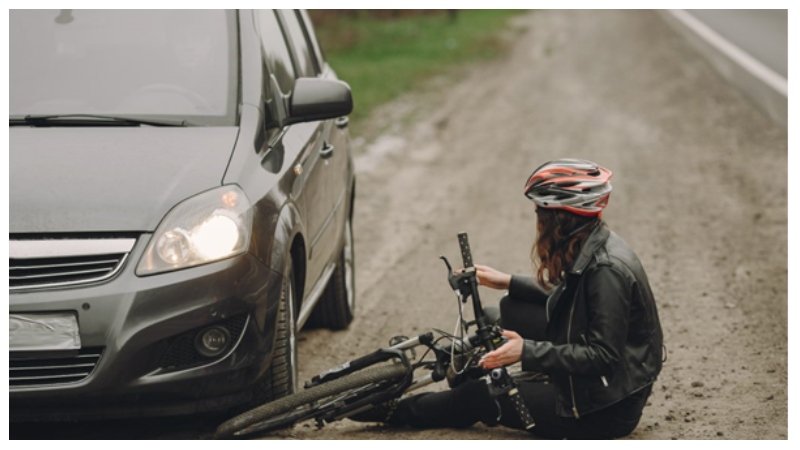
Bicycle accidents are often the result of a combination of driver error, hazardous road conditions, and poor visibility. If you or someone you know has been hurt on a bike, it’s important to understand what caused the crash—and what immediate steps to take to protect your health and your legal rights. A skilled bike crash attorney can make a big difference in this process.
Common Causes That Lead to Bicycle Crashes
Many bicycle accidents occur because drivers simply fail to notice cyclists—often due to distraction. Drivers texting, talking on the phone, fiddling with infotainment systems, or attending to passengers often miss seeing cyclists in their path.
Other frequent causes:
- Failure to yield: When a motorist turns or pulls out from a driveway or side street without yielding to a cyclist, a collision can happen.
- Dooring: A parked car’s occupant opens a door into the path of an oncoming cyclist, especially when riding close to parked cars.
- Unsafe or close passing: When a driver passes a bicycle too closely—not leaving enough distance—it can push the cyclist off the road or into a collision.
- Speeding and impaired driving: High speeds or driving under the influence of alcohol or drugs dramatically reduce a driver’s reaction time, making crashes more likely and more severe.
- Poor road conditions: Potholes, uneven pavement, debris, sewer grates, or poorly maintained roads can cause a cyclist to lose control—even without another vehicle involved.
- Low visibility and bad weather: Accidents tend to spike at dawn, dusk, or night—or during rain, fog, or other poor weather—when drivers may not see cyclists and road hazards are harder to spot.
Because bicycles offer little protection compared to cars, even a minor mistake by a driver or a moment of road hazard can lead to serious injuries.
What to Do Immediately After a Bicycle Accident
If you experience a bike crash, follow these steps to protect your health and any legal claim you may need to make:
- Get medical attention right away—some injuries may not show symptoms immediately. Document all injuries, even minor bruises or aches, because they can worsen over time.
- Document the scene—take photos of the accident location, vehicles, road conditions, skid marks, broken bike parts, and your injuries. Witness names and contact info help, too.
- Avoid giving recorded statements or signing anything from insurers before consulting a lawyer—insurance companies often use those to minimize a claim or shift blame.
- Keep thorough records—medical bills, repair bills for your bike or gear, lost wages, and any time missed from work. These help calculate damages later.
Legal Options and Compensation
If someone else’s negligence—for instance, distracted driving, failure to yield, or poor road maintenance—caused the crash, you may be able to seek compensation. A competent attorney can help you evaluate what you’re owed.
Typical recoverable losses fall under two categories:
- Economic damages: These cover measurable financial losses, such as medical expenses, hospitalization, ongoing care, physical therapy, bike or gear repair/replacement, lost wages, and reduced earning capacity if injuries are long-term.
- Non-economic damages: These compensate for pain and suffering, emotional distress, loss of quality of life, permanent scarring or disfigurement, and other intangible harms caused by the accident.
If the insurance company attempts to undervalue or deny your claim, a well-prepared lawyer will gather all evidence—medical records, accident reports, photos, witness statements—and may negotiate a fair settlement or file a lawsuit.
Why Working With an Attorney Matters
Insurance companies and at-fault parties often have teams whose goal is to limit payouts. Having legal representation helps level the playing field. A lawyer brings expertise in traffic laws, liability issues, insurance strategies, and the evidence needed to prove fault. They also guard against making mistakes like giving recorded statements or accepting early lowball offers.
With competent representation, you can recover full and fair compensation for both tangible losses like medical bills and intangible harms such as pain, suffering, or lasting disability.
Final Thoughts
Bicycle accidents don’t always happen because of careless cyclists. Often, they are caused by distracted or negligent drivers, hazardous roads, or poor visibility. If you’re injured in a crash, acting promptly—seeking medical care, documenting everything, and getting legal advice before speaking with insurers—can dramatically impact your ability to recover damages. By knowing what causes bike accidents and what steps to take afterward, you stand a much better chance of protecting your health, financial well-being, and long-term recovery.
Key Takeaways
- Many bicycle accidents occur because of distracted drivers, failure to yield, dooring incidents, unsafe passing, speeding, impaired driving, and poor road conditions.
- Cyclists are especially vulnerable because bikes offer little physical protection, making even low-speed crashes dangerous.
- After an accident, victims should get medical care immediately, document the scene, gather witness information, keep all injury-related records, and avoid giving statements to insurers before seeking legal guidance.
- Victims may recover compensation for medical expenses, lost income, bike repairs, pain and suffering, and other short- and long-term losses.
- Working with an experienced attorney helps protect victims from insurance tactics designed to reduce payouts and increases the chances of securing fair compensation.