In recent years, interest in psychedelic substances has surged across the medical and scientific communities. While classic psychedelics like psilocybin and LSD are often at the forefront of research, 5-MeO-DMT has gained attention for its powerful effects and potential therapeutic applications. This article explores 5-MeO-DMT for healthcare professionals, providing a comprehensive overview of its pharmacology, clinical considerations, therapeutic potential, safety profile, and relevance in the broader context of the psychedelic association movement.
What Is 5-MeO-DMT?
A Naturally Occurring Psychedelic Compound
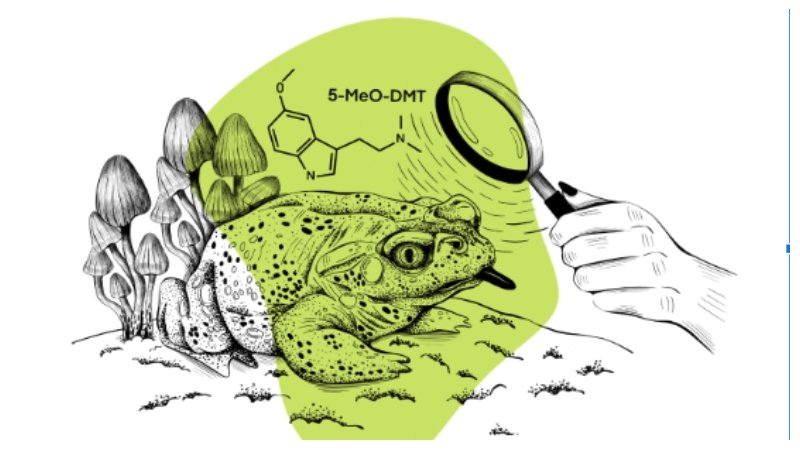
5-Methoxy-N, N-dimethyltryptamine (5-MeO-DMT) is a potent, fast-acting psychedelic compound belonging to the tryptamine class. It is found naturally in various plant species and in the venom of the Colorado River toad (Incilius alvarius). It is also synthesized in laboratory settings for research purposes.
Unlike its more well-known cousin DMT (N, N-Dimethyltryptamine), 5-MeO-DMT is often reported to produce more intense and less visually driven experiences, characterized by profound alterations in consciousness, ego dissolution, and a sense of non-dual awareness.
Mechanism of Action
5-MeO-DMT primarily acts as a non-selective serotonin receptor agonist, with high affinity for the 5-HT1A and 5-HT2A receptors. These receptors are implicated in mood regulation, perception, cognition, and consciousness. The compound’s rapid onset and short duration (often under 30 minutes) make it unique among psychedelics.
Additionally, some studies suggest that 5-MeO-DMT may interact with trace amine-associated receptors (TAARs) and sigma-1 receptors, which could contribute to its distinct psychoactive profile.
Therapeutic Potential of 5-MeO-DMT
Emerging Research and Anecdotal Evidence
Clinical research on 5-MeO-DMT is still in early stages compared to other psychedelics. However, both anecdotal reports and early studies indicate potential for treating a variety of conditions:
- Depression and Anxiety: Users often report a significant reduction in depressive and anxious symptoms after a single session.
- Substance Use Disorders: Like other psychedelics, 5-MeO-DMT may help individuals break addictive patterns by facilitating introspective insights and emotional catharsis.
- Post-Traumatic Stress Disorder (PTSD): Though research is limited, the compound’s potential to facilitate trauma processing and emotional release is being explored.
A 2019 study published in The American Journal of Drug and Alcohol Abuse found that 5-MeO-DMT administration was associated with improvements in depression and anxiety symptoms among participants, particularly when used in structured ceremonial or therapeutic settings.
Administration Methods
Routes and Dosage
5-MeO-DMT can be administered through various routes:
- Vaporization/Smoking: Most common; produces rapid onset within 20–60 seconds, a peak at 3–5 minutes, and has a total duration of 15–30 minutes.
- Intramuscular or Intranasal: Used in some clinical trials for more controlled dosing.
- Oral (with MAOIs): Rare and potentially riskier due to monoamine oxidase interactions.
Typical doses range from 5 to 10 mg for the vaporized form, though individual sensitivity varies greatly. Sub-threshold or “light” doses are also being explored in microdosing studies.
Clinical Considerations for Healthcare Professionals
Screening and Contraindications
When considering 5-MeO-DMT for healthcare professionals in a clinical or research setting, patient screening is critical:
- Mental Health History: Exclude individuals with schizophrenia, bipolar I disorder, or a history of psychosis.
- Medication Review: Contraindicated with SSRIs, MAO inhibitors, and other serotonergic drugs due to risk of serotonin syndrome.
- Cardiovascular Risk: Evaluate for hypertension or heart disease, as transient increases in heart rate and blood pressure may occur.
Setting and Integration
The set (mindset) and setting (environment) in which 5-MeO-DMT is administered significantly impact outcomes. Integration therapy post-experience is essential for processing and embedding insights gained during the session.
Healthcare providers considering its use must ensure:
- Pre-session psychological preparation
- Safe, supportive, and controlled environment
- Post-session integration support (e.g., psychotherapy, group counseling)
Side Effects and Risks
While 5-MeO-DMT is generally well-tolerated in healthy individuals, it is not without risks, particularly in uncontrolled environments:
Common Side Effects
- Nausea
- Tremors
- Anxiety or panic (especially in high doses or poor settings)
- Temporary disorientation
Rare but Serious Risks
- Serotonin Syndrome (especially if combined with SSRIs or MAOIs)
- Loss of motor control, potentially leading to injury
- Dysphoric or traumatic psychological experiences (often due to improper preparation or setting)
Due to these risks, the presence of trained professionals and emergency protocols is essential in clinical use.
Legal Status and Ethical Considerations
5-MeO-DMT is a Schedule I substance in the United States, meaning it is considered to have high abuse potential and no accepted medical use—though this classification is increasingly challenged by emerging research. Some countries, like Mexico, do not criminalize natural sources such as the Bufo alvarius toad, though extraction practices raise ethical and ecological concerns.
Healthcare professionals must adhere to local regulations and ensure all research or therapeutic use is conducted legally and ethically.
Role of the Psychedelic Association
As interest grows in psychedelic medicine, organizations such as the Psychedelic Association—both local and international—play a vital role in guiding ethical research, practitioner training, and public education. These associations help to:
- Promote standardized protocols for psychedelic-assisted therapy
- Facilitate collaboration between researchers, clinicians, and policymakers
- Advocate for responsible decriminalization and access to psychedelic therapies
Healthcare professionals considering involvement in psychedelic research or therapy can benefit from engaging with these associations to stay informed and connected.
Future Directions
Clinical Trials and Institutional Research
Several institutions and biotech companies are now investing in clinical trials of 5-MeO-DMT. Studies are examining its effects on:
- Treatment-resistant depression
- PTSD
- End-of-life anxiety in palliative care
Synthetic Analogs and Safer Formulations
Researchers are exploring synthetic analogs of 5-MeO-DMT that may offer more predictable pharmacokinetics and reduced side effects. These could lead to standardized pharmaceutical-grade compounds for clinical use.
Conclusion
The exploration of 5-MeO-DMT for healthcare professionals represents a promising frontier in psychedelic-assisted therapy. While still early in the clinical research phase, its potential to induce rapid, profound shifts in consciousness and emotional healing makes it a compelling subject of study.
For clinicians, researchers, and mental health practitioners, understanding this compound’s unique properties, risks, and therapeutic mechanisms is essential. As the psychedelic renaissance continues, informed participation through organizations like the Psychedelic Association and adherence to evidence-based protocols will be critical for the safe and ethical integration of 5-MeO-DMT into modern medicine.
Please visit my site, Itbetterthisworld, for more details.