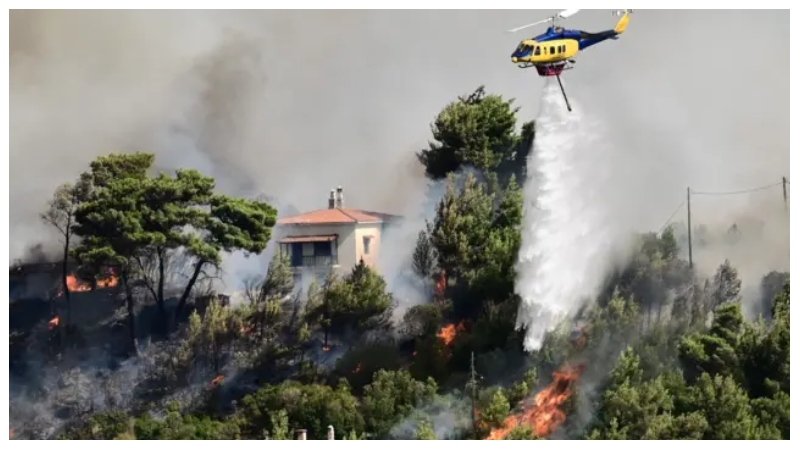
With wildfires becoming more common, protecting your property is more important than ever. Smart landscaping can greatly reduce fire risk and keep your home safe. Even small changes to your yard can make a big difference. This article will share simple, effective tips to help prepare your property for wildfire season.
Clear Away Flammable Brush
One of the first and most important steps to fire-proof a property is clearing away flammable brush. Overgrown vegetation, especially on the edges of properties bordering wildlands, acts as fuel for fires. Fire resistant landscaping begins by removing this brush to create a defensible space, making it harder for flames to reach structures.
Dense thickets of dry branches, weeds, and shrubs can ignite quickly and spread fire at alarming speeds. Clearing these away reduces the chance of embers catching and traveling. Regular maintenance to keep this area tidy plays a vital role in controlling wildfire risk.
Mow The Grass Short and Remove Dry Grass Underneath
Keeping grass short helps limit fire hazards, especially when the ground has layers of dry, dead grass beneath healthy blades. Tall or matted grass traps dry material. This can ignite easily and sustain flames. Mowing the lawn short and raking out the dry layer beneath creates a safer landscape.
This practice also improves air circulation in the yard, which reduces moisture buildup that can worsen fire conditions. Removing dead grass prevents it from becoming kindling during dry spells. This step is simple but highly effective at slowing down wildfire spread near homes.
Trim Trees Up to 10 Feet Above the Ground
Trees and bushes with low-hanging branches provide a bridge for flames to climb higher into the canopy. Trimming limbs up to 10 feet above ground removes this ladder effect and limits vertical fire movement. This measure creates safer vertical clearance around the property.
By increasing the space between shrubs and tree branches, it becomes harder for fires to jump from plant to plant. Keeping vegetation well-trimmed cuts down fire intensity and helps firefighters access and protect the area better during an emergency. Maintaining this clearance also reduces the chance of sparks igniting higher foliage, which can quickly escalate a wildfire.
Remove Debris from Home Structures
Debris accumulated near home structures can be a dangerous fire hazard. Leaves, sticks, and brush piled against decks, fences, or walls catch fire easily and threaten the safety of buildings. Removing such materials is crucial to protect homes from flames.
Maintaining clean surroundings around all outdoor structures lowers the chance of fire reaching the house through these vulnerable points. This step often gets overlooked but plays a major part in effective wildfire defense. Taking time to clear debris regularly safeguards property and peace of mind.
How Can Fire-adaptive Landscaping Help Protect Property Long-Term?
Fire-adaptive landscaping, guided by AI-driven insights, helps protect property long-term by recommending fire-resistant plants and materials that slow or stop the spread of flames. Integrating features like stone paths or gravel beds between vegetation reduces flammable areas while maintaining a functional and attractive outdoor space. This smart, proactive approach adds a natural layer of defense, offering lasting protection against wildfire risks.
Wildfire safety depends heavily on the thoughtful design and upkeep of the area surrounding a home. Fire-resistant landscaping provides a powerful way to shield properties from flames and embers. Taking simple yet consistent actions to clear brush, manage grass, trim trees, and clean debris can greatly reduce fire dangers. Each step adds up to a stronger defense that keeps families and homes safer when a wildfire threatens.