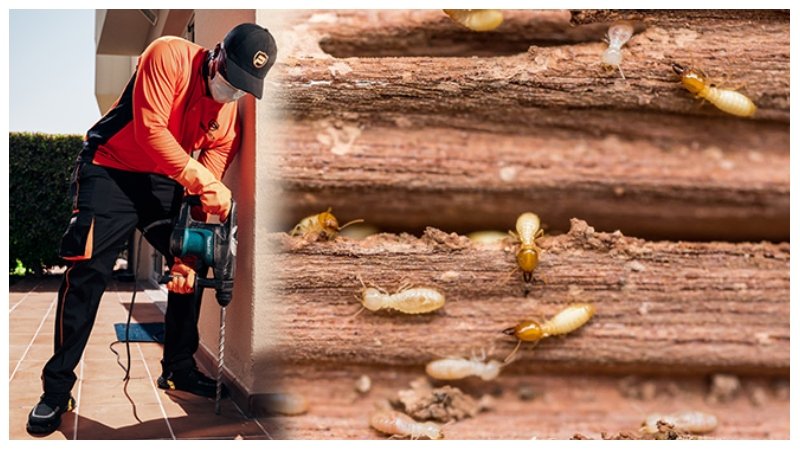
Livingston homes hold strong value, but the area’s humid weather invites unwanted guests like termites. These small pests move quietly through wood, floors, and walls, sometimes going unnoticed until real damage appears. They feed on moisture and warmth, making local properties especially at risk during damp months. Regular checks and preventive steps help keep these insects away and protect the home’s structure.
A reliable pest control company in Livingston helps spot hidden activity before it spreads. Their trained eyes can locate problem areas deep inside walls or near the foundation. Early detection means easier treatment and fewer disruptions to your home. With these smart habits and routine inspections, any Livingston homeowner can stay ahead of termite troubles.
Identify Signs of Termite Activity
Termites usually move silently and leave small but clear signs behind. Mud tubes along walls or near foundations suggest active tunnels. Hollow-sounding wood sometimes means that internal damage has already begun. Discarded wings near windows or doors can signal colony growth. Routine observation of these details can prevent unnoticed structural harm.
Cracks in wood, sagging floors, or tight doors may indicate a hidden termite presence. Regular inspections should focus on corners, crawl spaces, and wooden beams. Flashlights and small tools help in checking dark or narrow spots. These early findings allow for a quick response before deeper infestation occurs. Awareness and consistency keep termite damage under control.
Reduce Moisture Levels Around the Home
Moisture supports termite activity and increases the chance of infestation. Damp soil or leaking pipes near the foundation can attract them easily. Proper drainage channels water away and keep the soil dry. Gutters should remain clear to prevent water accumulation near wooden parts. Dry environments limit the spread of termites in most cases.
Homeowners can seal gaps where water collects near structures. Regular plumbing checks prevent unnoticed leaks that feed termite colonies. Ventilation in attics and basements keeps humidity in balance. Dehumidifiers can also assist during heavy rainfall seasons. Maintaining dry surroundings reduces the chance of termite movement into the property.
Strengthen Wooden Structures
Wood remains the primary source of food for termites. Sealing wood with protective coatings creates a physical barrier against infestation. Paint and varnish also block moisture from reaching the interior. Regular cleaning prevents debris buildup that might conceal small entry points. Maintenance keeps wooden areas sturdy and visually appealing.
To protect outdoor wood, space should exist between the soil and wood surfaces. Decks and fences benefit from treated lumber that resists decay. Avoid stacking firewood against exterior walls or directly on the ground. These small adjustments create distance between termites and wooden structures. Consistent care keeps materials strong and reliable.
Inspect Hidden Entry Points
Termites sometimes enter through narrow gaps that seem harmless. Tiny cracks near windows, vents, or utility lines can allow easy passage. Sealing those spaces reduces opportunities for colony expansion. Door frames and basement edges should also be checked periodically. Even minimal gaps can connect soil paths with wooden interiors.
Regularly inspecting crawl spaces, attics, and corners strengthens prevention efforts. Professional assessments sometimes uncover signs invisible to an untrained eye. Once entry areas are sealed, long-term maintenance becomes easier. Inspections combined with repairs build a strong protective routine. This balanced approach helps maintain the property’s durability over time.
Use Preventive Barriers and Treatments
Preventive barriers act as shields between termites and the property. These can include soil treatments, wood coatings, or metal mesh systems. Such barriers restrict access and reduce hidden nesting zones. Treatments must follow proper application standards for lasting effectiveness. Consistency ensures continued security across key structural points.
Below are useful preventive practices homeowners may consider:
- Apply soil barriers near the foundation to discourage termite tunnels
- Keep mulch and wood debris several feet away from walls
- Schedule expert inspection at least once each year
- Use treated lumber for outdoor structures to resist decay
- Seal cracks in concrete or brick surfaces where moisture collects
Consult Local Experts for Regular Inspections
Routine evaluation from specialists ensures long-term protection from termites. The local pest control company in Livingston understands soil conditions and seasonal patterns in Livingston. Their inspection process identifies hidden threats within walls and flooring. These detailed assessments prevent unnoticed damage from spreading internally. Professional support creates confidence through consistent property monitoring.
A professional visit provides both treatment and preventive advice suited to the home. Homeowners receive clear guidance on soil care, drainage, and wooded areas. Reports after each inspection outline areas that need immediate attention. Continued cooperation keeps awareness of potential risks active throughout the year. Regular expert input keeps the home safe and well cared for.
A reliable pest control company in Livingston offers valuable expertise for property health. Proper checks, moisture control, and protective treatments create effective prevention. Routine inspections strengthen safety and keep structural materials in solid shape. Each action taken now supports lasting property stability for the future. Preventive termite care ensures comfort and confidence for every homeowner.
Please visit my site, Itbetterhisworld, for more details.