Severe storms can wreak havoc on homes, leaving families with costly repairs and serious safety concerns. Whether you’re bracing for hurricanes, tornadoes, intense thunderstorms, or brutal winter blizzards, preparation isn’t optional; it’s essential. Understanding where your property is vulnerable and taking action before the storm hits can mean the difference between minor fixes and devastating losses. Homeowners who put in the work beforehand consistently find that their efforts pay off handsomely when severe weather rolls through their neighborhood.
Inspect and Reinforce Your Roof and Exterior
Your roof is essentially the first line of defense when storms strike, so keeping it in top shape should be non-negotiable. During regular inspections, look for loose or missing shingles, damaged flashing near chimneys and vents, and any wear patterns that might let water sneak through. Consider adding hurricane straps or clips that bolt the roof directly to your walls; these additions provide remarkable resistance against powerful winds trying to peel back your roofing materials. If you’re living in an area that sees frequent severe weather, impact-resistant shingles designed specifically for harsh conditions will outperform standard materials every time.
Secure Windows and Doors Against High Winds
Windows and doors are essentially your home’s Achilles’ heel during severe storms; broken glass and breached openings can create dangerous pressure changes that threaten the entire structure. Storm shutters offer the best protection available, with choices ranging from permanent accordion-style systems to removable panels you can stash away during calmer months. If shutters aren’t in your budget yet, pre-cutting plywood boards at least five-eighths inch thick gives you a quick deployment option when warnings start coming through. Your garage door deserves special attention since these massive openings can fail under wind pressure and potentially compromise your home’s entire structural integrity.
Maintain Your Property’s Drainage Systems
Managing water properly is absolutely critical for keeping your home safe from flooding and water damage when storms dump heavy rain. Cleaning out gutters and downspouts regularly removes the leaves, debris, and accumulated gunk that causes overflow and directs water straight toward your foundation, exactly where you don’t want it. Make sure downspouts extend at least five to ten feet away from your home’s foundation to prevent water from pooling near vulnerable areas that could lead to basement flooding or structural damage. Your landscape should naturally slope away from the house, creating drainage patterns that guide water away from problem spots.
Trim Trees and Secure Outdoor Items
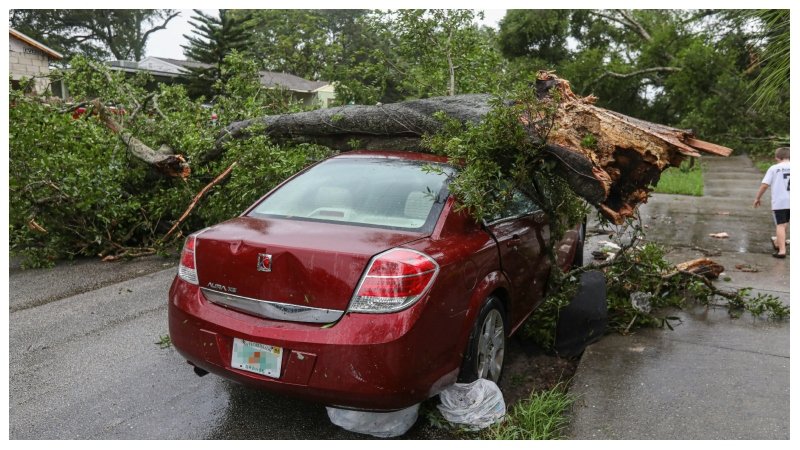
During severe storms, trees and outdoor objects transform into dangerous projectiles that can seriously damage your home’s exterior and windows. Walk your property looking for dead or damaged limbs, especially any hanging over your house or outbuildings, where they could crash down during high winds. For larger trees, bringing in certified arborists makes sense; they can spot health issues, structural weaknesses, or root problems that might cause a tree to topple when conditions get extreme. Trim branches back at least ten feet from your roof and power lines to minimize contact risks during severe weather events.
When preparing properties in coastal regions, homeowners who implement comprehensive Florida hurricane protection measures ensure their outdoor spaces remain secure during extreme weather conditions. Develop a solid plan for either securing or storing items like patio furniture, grills, planters, trash cans, and decorative pieces that could easily become airborne in strong winds. Anchor permanent outdoor structures, sheds, playsets, and pergolas with ground anchors or concrete footings engineered to handle high wind loads. Before storms arrive, move lawn equipment, tools, and recreational gear into your garage or shed, eliminating potential projectiles that could damage your property or your neighbors’.
Prepare Emergency Power and Essential Systems
Power outages go hand-in-hand with severe storms, making backup systems and emergency preparations crucial for protecting both your home and your family. Installing a whole-house generator or reliable portable backup unit capable of running critical systems like sump pumps, refrigerators, and climate control equipment will keep you functioning during extended outages. Make sure your generator gets installed properly with appropriate transfer switches and carbon monoxide detectors; cutting corners here creates genuinely dangerous situations. Surge protectors on sensitive electronics are smart, though whole-house surge protection offers even better defense against the power spikes that happen when electricity returns after an outage.
Conclusion
Protecting your home during severe storms comes down to thoughtful preparation, consistent maintenance, and smart investments in defensive measures that keep your property and family safe. By tackling vulnerabilities in your roof, windows, drainage systems, and landscaping before severe weather shows up, you’ll dramatically reduce the risk of expensive damage and dangerous situations. The time and money you invest in storm preparation delivers peace of mind and financial protection that far exceeds the upfront costs. Remember that storm preparedness isn’t something you check off once and forget; it requires seasonal inspections and updates to keep your home protected as conditions evolve.
Please visit my site, Itbetterthisworld, for more details.