Homeownership is rewarding, but it also comes with never-ending costs. From utility bills to repairs, the expenses often add up faster than expected. Add in maintenance and small fixes, and the total can easily climb higher. Many families feel stuck in a cycle of paying for problems instead of preventing them.
The good news is that certain home improvements can break that cycle. Some upgrades may require an upfront investment, but they save significant money over time. Others are small, affordable fixes that cut costs right away. Whether you own an older home or a newer one, making a few changes can reduce waste, lower bills, and even add value to your property.
The key is knowing which improvements are worth it. Below are some practical upgrades that not only make your home more comfortable but also keep more money saved in your pocket.
Maintaining Plumbing with Modern Repair Methods
Hidden leaks or damaged pipes can lead to higher water bills and even costly damage if left untreated. Many homeowners avoid plumbing work because they assume it requires digging up yards or breaking floors. However, newer methods make repairs far less disruptive.
One such solution is trenchless technology. If you’ve wondered what is trenchless technology, it’s a repair method that fixes underground pipes without the need for major excavation. This approach saves money on landscaping repairs and reduces labor costs. It also extends the life of plumbing systems, preventing future leaks and water waste.
Even small leaks should be taken seriously. Fixing a single leaky faucet can save hundreds of gallons of water per year. By combining routine maintenance with modern repair options, homeowners protect both their budgets and their homes.
Switching to LED Lighting Everywhere
Lighting might seem like a minor expense, but over time it becomes a major part of your energy bill. Traditional incandescent bulbs waste most of the energy they consume as heat instead of light. Compact fluorescent bulbs are slightly better, but they still fall short of today’s standard: LEDs.
LED lights use up to 75 percent less energy than incandescent bulbs. They also last up to 25 times longer. That means fewer trips to the store to replace bulbs and fewer dollars wasted on electricity. In most homes, replacing every bulb with an LED version can reduce lighting costs by more than half.
The best part is that LEDs now come in a wide range of styles and color tones. You don’t have to settle for the harsh white light that early LEDs were known for. Warm, dimmable options make it easy to create the right atmosphere in every room. It’s a small change with long-term savings.
Installing a Smart Thermostat for Better Control
Heating and cooling account for a big portion of monthly energy bills. A smart thermostat helps cut those costs by learning your schedule and adjusting the temperature when you’re not home. Unlike older programmable thermostats, smart models are easy to control with an app, so you can make changes even if you’re away.
The savings may not seem dramatic at first glance but over time they add up. If your annual heating and cooling costs are $1,500, a smart thermostat could save you $150 or more each year.
Beyond Save Money, smart thermostats also improve comfort. They can make sure your home is warm when you wake up or cool when you return from work. Some even monitor humidity and air quality. It’s a smart investment that combines convenience with cost control.
Replacing Outdated Appliances with Energy-Efficient Models
Old appliances often hide in plain sight as major energy drains. Refrigerators, washing machines, and dishwashers made more than a decade ago use far more electricity and water than today’s models.
Upgrading to ENERGY STAR-rated appliances can save hundreds of dollars every year. For example, a modern refrigerator can use 30 percent less energy than a unit from the early 2000s. New washing machines often use less than half the water compared to older models, lowering both water and energy costs. Homeowners exploring broader efficiency upgrades can also consider professional home additions Winston-Salem specialists like T & S Renovations, who help design and build energy-conscious living spaces that enhance comfort and long-term savings.
Although new appliances require an upfront purchase, they often pay for themselves within a few years through reduced bills. They also add value when it’s time to sell your home since buyers appreciate modern, efficient equipment.
Upgrading Water Heating Systems for Efficiency
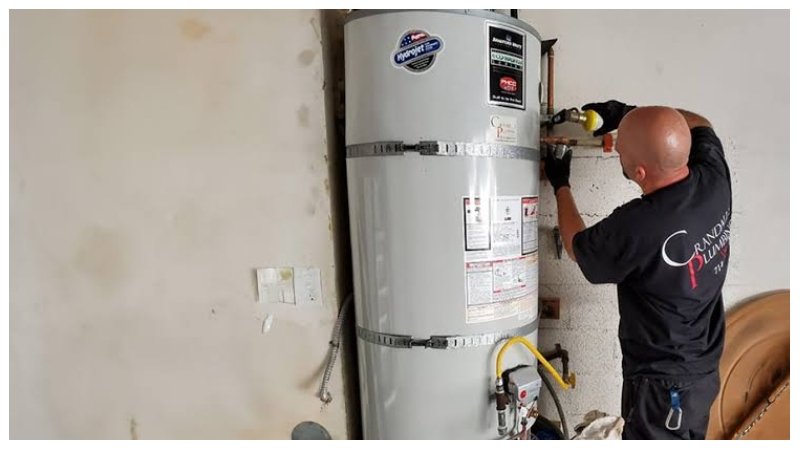
Water heating often makes up nearly 18 percent of a home’s energy use, so an outdated system can be expensive to run. Traditional tank heaters keep water hot around the clock, even when no one is using it. That constant heating wastes both energy and money.
A tankless water heater, also called an on-demand heater, provides a better option. Instead of storing hot water, it heats only when needed. This design can lower water heating costs by up to 30 percent. Tankless systems also last longer than standard tanks, often around 20 years compared to 10–12 years for conventional models.
For homeowners who are not ready for a tankless system, insulating a current water heater and its pipes can still cut costs. These small steps reduce standby heat loss and improve overall efficiency.
Exploring Solar Panels for Long-Term Savings
Solar panels are a bigger investment, but they can dramatically reduce electricity bills over time. Homeowners in California often turn to Northern Pacific Power Systems for customized solar solutions, since the company specializes in helping families lower energy costs and achieve long-term independence from the grid.
Many states also offer tax credits, rebates, or net metering programs that make solar more affordable.
While the initial cost is significant, the long-term return is strong. Panels generally last 25 years or more, so the savings continue long after the system pays for itself. For homeowners in sunny regions, solar can be one of the most effective long-term improvements.
Keeping HVAC Systems Clean and Efficient
Heating and cooling systems use a large share of household energy. When filters are clogged or parts are neglected, they consume more power and wear out faster. Regular maintenance prevents these issues and keeps systems running efficiently.
Changing filters every one to three months is the simplest step. Clean filters improve airflow and reduce strain on the system. Annual servicing by a professional can also help spot small problems before they become expensive breakdowns.
An efficient HVAC system lowers energy bills and extends the lifespan of equipment. Considering the high cost of replacements, regular care is one of the most cost-effective habits a homeowner can adopt.
Home improvements don’t always have to be dramatic or expensive to make a difference. Many of the changes discussed—like switching fixtures, sealing gaps, or maintaining equipment—can be done with little effort and start saving money right away. Larger projects like solar panels or tankless water heaters require more investment, but they deliver long-term rewards that outweigh their costs.
By taking a practical approach, homeowners can reduce bills, improve comfort, and increase the value of their property. Each improvement is a step toward a home that costs less to run and is easier to maintain. Starting small today can lead to meaningful savings year after year.
For any suggestions or changes, please contact us, the Itbetterthisworld team.