Every business that depends on machinery or equipment understands that smooth operations are essential to maintaining productivity. When a key piece of equipment fails unexpectedly, it can disrupt schedules, halt operations, and impact profitability.
Preventive maintenance serves as a proactive strategy to avoid such disruptions. Rather than waiting for breakdowns to occur, it focuses on regular inspections, cleaning, lubrication, and part replacements to ensure everything runs efficiently.
This approach not only minimizes downtime but also extends the lifespan of valuable equipment. By implementing preventive maintenance, businesses can enhance productivity, control costs, and create a safer, more reliable work environment.
How Equipment Care Strengthens Operational Efficiency
Machinery in any industry plays a vital role in sustaining productivity. When properly maintained, it performs at its highest capacity and supports consistent output. Preventive maintenance ensures that all operational assets, whether large production units or smaller support equipment, function smoothly throughout their service life.
Regular maintenance checks, fluid top-ups, and part replacements prevent inefficiencies and unexpected interruptions that can slow down progress.
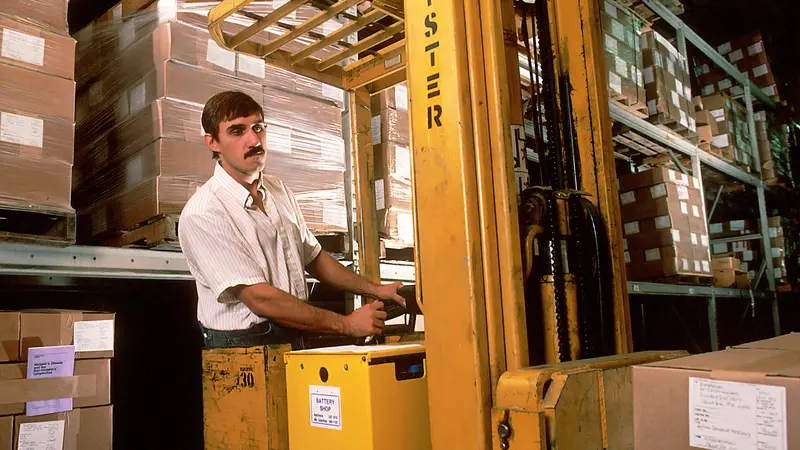
For example, forklifts demand special attention since they are constantly in use for moving materials and handling goods in warehouses. These machines endure heavy workloads, frequent starts and stops, and exposure to challenging operating conditions. Among the most recognized names in material handling equipment is Hyster, whose forklifts are known for their durability, strength, and dependable performance.
However, even the most reliable machines require consistent preventive maintenance to continue operating safely and efficiently.
Neglecting such maintenance can lead to mechanical failures, reduced lifting power, and costly downtime. To prevent this, businesses running and maintaining Hyster forklifts can visit Intella Parts Company for replacement parts and advice on ensuring their warehouse equipment functions at its maximum. By keeping these essential machines in top condition, warehouse teams can maintain a steady workflow, reduce unplanned downtime, and improve overall productivity.
The Importance of Regular Inspections
Regular inspections are the foundation of preventive maintenance. These inspections help detect potential issues at an early stage before they escalate into expensive repairs or equipment failures.
Checking oil levels, inspecting moving components, and ensuring safety systems are functioning correctly are all part of this process. Consistent inspections allow maintenance teams to plan repairs in advance, ensuring minimal disruption to daily operations.
By establishing a routine schedule for inspections, businesses can track performance and anticipate when components may need replacement. This structured approach keeps equipment performing optimally, reduces the likelihood of sudden downtime, and provides peace of mind knowing that machines are always ready for operation.
Extending Equipment Lifespan Through Care
One of the greatest advantages of preventive maintenance is the extension of equipment lifespan. Machines that are properly cared for tend to operate smoothly for longer periods.
When moving parts are lubricated, filters are replaced, and electrical systems are checked regularly, equipment experiences less strain and deterioration. This reduces the frequency of major repairs and allows companies to get the most value out of their investments.
Extending the life of machinery also contributes to better financial management. Businesses spend less on replacement equipment, and maintenance costs remain predictable.
Enhancing Workplace Safety
Preventive maintenance not only protects equipment but also safeguards the people who operate it. Malfunctioning machines can create hazardous situations that lead to accidents or injuries. For instance, a forklift with failing brakes or hydraulic issues poses serious risks in a busy warehouse. Regular maintenance checks help prevent such dangers by ensuring that every piece of equipment operates safely and reliably.
A safe work environment also boosts employee confidence. When workers trust that their equipment is in good condition, they can perform their tasks more efficiently without hesitation or concern.
Reducing Downtime with Proactive Planning
Downtime is one of the most significant challenges that businesses face when managing machinery. Even a short period of unplanned downtime can lead to missed deadlines and lost revenue. Preventive maintenance reduces downtime by addressing issues before they disrupt operations.
Boosting Productivity Through Consistency
Consistency is the backbone of productivity. When machines function reliably, employees can focus on their tasks without interruptions. Preventive maintenance ensures that production schedules are maintained and that every shift operates at its best capacity. Equipment that runs efficiently also requires less energy to perform, reducing operational strain and optimizing workflow.
Cost Savings Through Efficiency
While preventive maintenance requires regular investment, it ultimately results in long-term savings. Frequent breakdowns can lead to expensive repairs, replacement parts, and production losses. By taking preventive measures, companies can control these costs more effectively. Maintenance expenses are planned and predictable, which allows for better budgeting and resource allocation.
Well-maintained equipment also operates more efficiently, consuming less energy and reducing waste. This increased efficiency translates into lower operating costs and a more sustainable business model.
The Role of Documentation and Scheduling
Keeping accurate maintenance records is an essential part of a successful preventive maintenance strategy. Documentation helps track service dates, identify recurring issues, and ensure compliance with safety and quality standards. It also allows businesses to analyze patterns and make informed decisions about equipment upgrades or replacements.
Scheduling maintenance tasks in advance ensures that every piece of machinery receives the attention it needs at the right time. Many companies use maintenance management systems to automate reminders and track performance metrics.
Building a Culture of Reliability
Implementing preventive maintenance is not just about maintaining machines; it is about building a culture of reliability. When employees see that their equipment is consistently maintained, they understand that the organization values safety, efficiency, and long-term success. This mindset encourages everyone in the company to take responsibility for maintaining operational standards.
A culture centered on reliability and care translates into smoother communication between departments and faster response to potential issues. It promotes teamwork and strengthens the foundation of a productive work environment.
A Future Focused on Efficiency
Preventive maintenance is more than a routine; it is a long-term strategy that enhances operational excellence. By keeping machines in top condition, businesses ensure that productivity remains high, downtime stays minimal, and safety is never compromised. Whether managing forklifts in a busy warehouse or overseeing complex machinery in a production facility, preventive maintenance serves as the key to reliability and sustained performance.
In an increasingly competitive world, efficiency and consistency define success. Companies that invest in preventive maintenance position themselves for long-term growth and stability.