Ever looked around your house in Tennessee and thought, “How did I end up living inside a to-do list?” One project turns into five, and by the time you’re buying paint samples, your budget’s gone and your weekends are booked through fall. In this blog, we will share how to start a home improvement project the right way—from first idea to final coat—without losing your mind or your savings.
Know What You Want Before You Swing a Hammer
Most home improvement disasters start with good intentions and vague goals. Someone wants “a better kitchen,” or “more space,” or “to finally fix the bathroom,” but they never get specific about what that means. That’s where trouble begins. The gap between “it feels outdated” and “I want new countertops and better lighting” is where budget overruns and half-finished projects live.
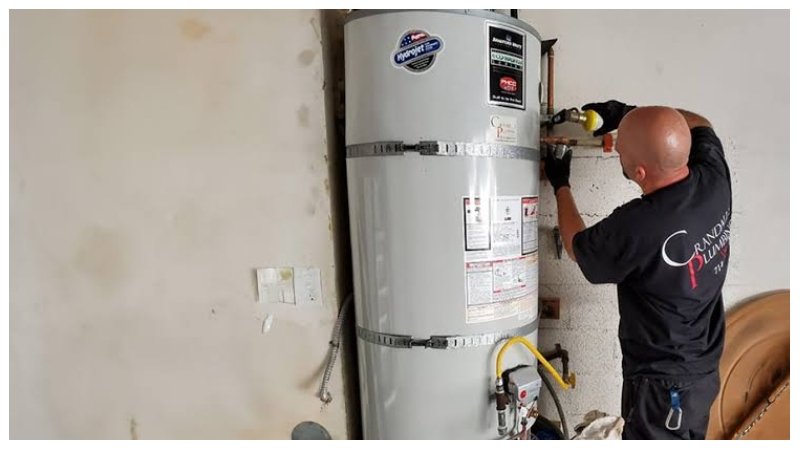
It helps to be brutally honest with yourself first. Are you solving a problem, chasing a trend, or avoiding something else entirely? Improving a house is part personal taste and part strategic planning. The best projects hit both. Maybe the air in your home feels stuffy and the energy bills keep climbing. That’s not just discomfort—it’s a system that needs attention. Heat pump installation in Memphis, TN can be expertly handled by local professionals who understand how to size, install, and optimize systems for the region’s fluctuating weather. They not only make sure the equipment runs efficiently but also help prevent long-term energy waste, uneven heating, and high utility costs. Getting it done right the first time means fewer headaches when summer or winter really kicks in. With trained local pros handling climate-specific installs, it’s not just about staying warm or cool—it’s about efficiency, long-term savings, and better air quality across seasons.
Too many homeowners jump into projects that look good in photos but don’t improve how the space works. A good starting point isn’t Pinterest—it’s walking through your home and writing down what frustrates you every day. If your living room looks great but feels cold, start with insulation or HVAC. If your kitchen has new counters but no outlets where you need them, you’re still stuck working around old problems with new surfaces.
Define the Scope Like a Realist, Not a Dreamer
One of the fastest ways to lose control of a project is by expanding it midstream. You plan to redo the floors in the hallway but then decide to add the living room. Then the dining room. Then you realize the baseboards won’t match. Before long, your weekend project needs two contractors, permits, and a loan. Scope creep isn’t just a corporate buzzword. It’s how budgets get wrecked in real homes.
Start with a scope that’s clear, specific, and contained. What problem are you solving? What features matter most? Write it down. Then write a list of things you’re not touching. This protects your time, money, and sanity.
Also, if it’s a project that touches systems—electrical, plumbing, HVAC—get a professional involved early. You don’t need a full design team, but you do need someone who knows how your house is built. Cosmetic work can be DIY if you’re careful. Structural or system changes need experience, even if it’s just a consultation.
Get Quotes, Not Just Ideas
Once you know what you want, get quotes from people who actually do the work. Avoid vague ballpark figures. You want line items, material breakdowns, and labor costs. Good contractors provide details. Shady ones give guesses. If someone refuses to put numbers in writing, walk away.
This step also helps clarify your real budget. You might think you have enough for new tile and lighting, but once you see what quality materials and labor cost in your area, you’ll realize where compromises make sense. Letting price inform scope isn’t the same as cheaping out. It’s being realistic.
Don’t forget to ask how long the project will take, what delays are likely, and how they handle issues mid-job. A good contractor plans for the mess before it starts. You’re not just paying for labor—you’re paying for judgment, planning, and follow-through.
Make Peace With the Ugly Middle
Every home improvement project hits a point where it looks worse than when you started. Drywall’s torn out. Fixtures sit disconnected. Paint samples clash. You start questioning all your decisions. This is the ugly middle. It’s unavoidable. And it usually arrives right after you’ve spent the most money and seen the fewest results.
Resist the urge to pivot or panic. Trust the plan. Check progress daily. Ask questions, but don’t micromanage. Stay involved without being in the way. If something looks off, speak up early. Silence during construction is expensive later.
Also, understand that your vision may shift slightly during the work. That’s fine. Sometimes a space teaches you how it wants to function once you open it up. A better lighting angle. A different finish. Allow for a little change without letting the whole thing spiral.
Finish Strong, Don’t Coast to the End
The final phase of a project is where most people start to fade. The big stuff is done. The space looks usable. But the details still matter. Trim, outlet covers, final paint touch-ups—these finishing steps bring the whole thing together. Skipping or rushing them leaves the space feeling incomplete.
Make a punch list. Check it against the original plan. If you hired professionals, don’t hand over the final check until everything on the list is done. If you’re doing it yourself, don’t treat the job as finished until those last screws are in and the space functions exactly as intended.
It’s also a good time to revisit why you started. If you began the project to improve daily life, does the result match that goal? Is the space easier to live in, not just prettier? Are the old frustrations gone? If not, adjust. A good project solves problems. A great one avoids creating new ones.
Starting a home improvement project the right way isn’t about fancy tools or design degrees. It’s about clarity, patience, and planning. The thrill of renovation fades quickly when you’re knee-deep in debris without a plan. But with the right approach, you’re not just improving a home—you’re making it work better for the life you actually live. And that’s what good home improvement is really for.
Please visit my site, Itbetterthisworld, for more details.