
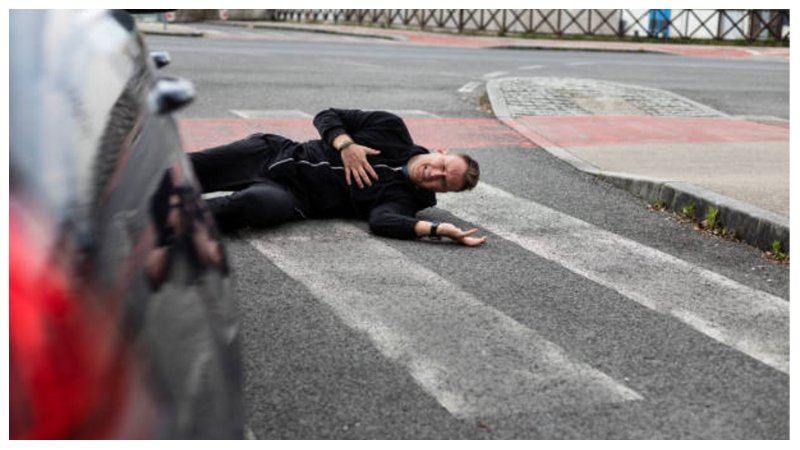
Pedestrian accidents can result in serious injuries that disrupt a person’s health, finances, and overall quality of life. Unlike minor vehicle collisions, pedestrian crashes often lead to complex legal claims because the injuries are severe and liability may be disputed. Understanding what evidence is required to prove fault is critical for anyone pursuing compensation after such an accident.
After the initial shock of the incident, gathering and preserving the right information can make a significant difference in the outcome of a claim. This is where guidance from a skilled pedestrian accident attorney at Bentley & More LLP can help ensure that no critical detail is overlooked and that the evidence supports a strong liability case.
Police Reports and Official Records
One of the most important pieces of evidence in a pedestrian accident case is the police report. When law enforcement responds to the scene, officers document what happened, note road and weather conditions, identify involved parties, and sometimes issue citations. These reports often include diagrams, witness names, and preliminary assessments of fault. While not always definitive, police reports provide an objective foundation that insurance companies and courts take seriously.
In addition to police reports, emergency medical response records can help establish the timeline of events and the immediate impact of the accident on the pedestrian.
Photographs and Video Footage
Visual evidence is often among the most persuasive forms of proof in a pedestrian accident claim. Photos taken at the scene can show vehicle damage, the pedestrian’s injuries, skid marks, traffic signals, crosswalks, and lighting conditions. These details help reconstruct how the accident occurred.
Video footage can be even more powerful. Surveillance cameras from nearby businesses, traffic cameras, or dashcams may capture the collision or the moments leading up to it. Such footage can clearly demonstrate whether a driver failed to yield, was speeding, or ignored traffic signals.
Witness Statements
Eyewitness testimony can play a critical role in establishing liability. Neutral third-party witnesses, such as other pedestrians or nearby drivers, can confirm key facts about the accident. Their statements may support claims that a driver was distracted, ran a red light, or failed to stop at a crosswalk.
Obtaining witness information as soon as possible is essential.
Medical Records and Expert Opinions
Medical documentation is vital not only for proving damages but also for connecting the injuries directly to the accident. Hospital records, diagnostic tests, physician notes, and treatment plans help establish the severity of injuries and confirm that they resulted from the collision.
In some cases, expert testimony may be necessary. Accident reconstruction specialists can analyze physical evidence, vehicle speed, and impact angles to explain how the accident occurred. Medical experts may also testify about long-term injuries, disabilities, or future medical needs, strengthening the overall liability argument.
Traffic and Roadway Evidence
Evidence related to road conditions and traffic control devices can also be important. Faulty traffic lights, missing signage, poorly marked crosswalks, or obstructed views may contribute to a pedestrian accident. Maintenance records, city planning documents, or prior complaints about the area can help show that unsafe conditions played a role.
If a government entity is responsible for roadway design or maintenance, additional procedural requirements may apply, making accurate documentation even more critical.
Driver Behavior and Records
Proving driver negligence often requires evidence of unsafe behavior. Cell phone records may show distracted driving, while toxicology reports can indicate impairment. Driving history, prior violations, or evidence of speeding can further support claims that the driver failed to act with reasonable care.
Key Takeaways
- Police reports provide an official account and foundation for a pedestrian accident claim.
- Photos and video footage are powerful tools for showing how the accident occurred.
- Witness statements help confirm driver behavior and accident circumstances.
- Medical records link injuries directly to the collision and establish severity.
- Expert analysis and roadway evidence can clarify complex liability issues.