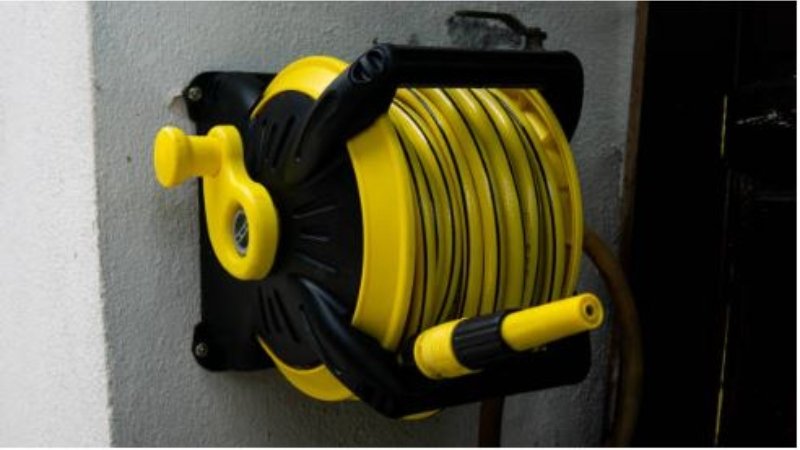
A diesel hose reel is an essential piece of equipment designed to store, manage, and dispense diesel fuel hoses in a controlled and organized manner. It plays a crucial role in industries where fuel transfer is a regular activity, such as construction, agriculture, mining, transportation, and fleet management. Without a proper system in place, fuel hoses can easily become tangled, damaged, or hazardous, leading to inefficiencies and safety risks. A diesel hose reel solves these problems by keeping the hose neatly wound and ready for use at any time.
In addition to organization, diesel hose reels contribute significantly to operational efficiency. They reduce the time and effort required to handle hoses, making the fueling process faster and more convenient. By preventing unnecessary wear and tear, these reels also help extend the lifespan of hoses, ultimately saving costs in the long run. With modern advancements, diesel hose reels are now available in various designs and configurations, making them suitable for both small-scale operations and heavy industrial use.
Components of a Diesel Hose Reel
To understand how a diesel hose reel works, it is important to know its key components. At the center of the system is the drum, which is responsible for holding and winding the hose. The drum is usually made from durable materials such as steel or heavy-duty plastic to withstand harsh environments and frequent use. Attached to the drum is the hose itself, which is specifically designed to handle diesel fuel safely and efficiently.
Another critical component is the swivel joint, which allows the hose to rotate freely without twisting or kinking during operation. This ensures smooth fuel flow and prevents damage to the hose. The reel is also connected to a mounting system, which can be installed on walls, floors, or vehicles depending on the application. Additionally, a retraction mechanism—either manual, spring-driven, or motorized—controls how the hose is extended and retracted.
The system is typically integrated with a fuel pump and nozzle, which are responsible for transferring diesel from the storage tank to the equipment or vehicle. Each of these components works together to create a seamless and efficient fueling process.
How a Diesel Hose Reel Works
The operation of a diesel hose reel is straightforward, yet highly effective. When fuel is needed, the user pulls the hose from the reel to the desired length. As the hose is extended, the drum rotates smoothly, allowing the hose to unwind without resistance. The swivel joint ensures that the hose does not twist, maintaining a steady and uninterrupted flow of fuel.
Once the hose is extended, the fuel pump is activated, and diesel flows through the hose to the dispensing nozzle. The nozzle allows the user to control the flow of fuel, ensuring accurate and efficient fueling. This process is designed to minimize waste and prevent spills, which is particularly important in environments where fuel handling must be precise and safe.
After the fueling process is complete, the hose is returned to the reel. In manual systems, the user rotates a handle to wind the hose back onto the drum. In spring-driven systems, the hose retracts automatically with minimal effort. Motorized reels use powered mechanisms to rewind the hose quickly and efficiently, making them ideal for large-scale operations. This retraction process ensures that the hose is stored neatly, preventing damage and maintaining a safe working environment.
Types of Diesel Hose Reels
Diesel hose reels come in various types, each designed to meet specific operational needs. Manual hose reels are the simplest and most cost-effective option, requiring the user to rewind the hose by hand. These are commonly used in smaller setups where fuel transfer is not frequent.
Spring-driven hose reels offer a higher level of convenience by automatically retracting the hose after use. This reduces manual effort and saves time, making them suitable for medium-scale operations. Motorized hose reels are designed for heavy-duty applications where long hoses and frequent use are required. These reels provide the highest level of efficiency and are often used in industrial environments where productivity is a priority.
Each type of reel has its own advantages, and the choice depends on factors such as usage frequency, hose length, and operational requirements.
Benefits of Using a Diesel Hose Reel
Using a diesel hose reel offers numerous benefits that improve both efficiency and safety in fuel handling operations. One of the most significant advantages is the reduction of workplace hazards. Loose hoses lying on the ground can create tripping risks and increase the chances of fuel spills. A hose reel keeps the hose neatly stored, reducing these risks and promoting a safer work environment.
Another key benefit is improved efficiency. With a hose reel, the hose can be easily extended and retracted, saving time and effort during fueling operations. This is especially important in industries where time is a critical factor. Additionally, proper storage helps protect the hose from environmental damage, such as exposure to sunlight, dirt, and chemicals, which can degrade its quality over time.
Diesel hose reels also contribute to better organization and a more professional appearance. A clean and well-organized workspace not only improves productivity but also reflects positively on the business. Furthermore, by extending the lifespan of hoses and reducing maintenance costs, these reels provide long-term financial benefits.
Applications of Diesel Hose Reels
Diesel hose reels are used in a wide range of industries and applications. In construction, they are essential for fueling heavy machinery such as excavators, bulldozers, and generators. In agriculture, they are used to fuel tractors, harvesters, and other farming equipment. Transportation companies rely on hose reels for refueling trucks and fleet vehicles efficiently.
In addition, diesel hose reels are commonly used in workshops, service stations, and fuel depots where organized fuel management is necessary. They are also installed in mobile service vehicles, allowing technicians to carry fuel and dispense it wherever needed. Their versatility and practicality make them an indispensable tool in any operation that involves diesel fuel handling.
Maintenance and Safety Considerations
Proper maintenance is essential to ensure the longevity and safe operation of a diesel hose reel. Regular inspections should be conducted to check for signs of wear, leaks, or damage to the hose and other components. Keeping the reel clean and free from debris helps maintain smooth operation and prevents potential issues.
Safety should always be a top priority when working with diesel fuel. Users should follow proper handling procedures, including wearing appropriate protective equipment and ensuring that the fueling area is well-ventilated. It is also important to use hoses and reels that are specifically designed for diesel fuel to avoid compatibility issues.
By following these maintenance and safety practices, businesses can ensure that their diesel hose reels operate efficiently and safely over the long term.
Conclusion
A diesel hose reel is a vital tool for efficient and safe fuel management in various industries. By providing a structured system for storing and dispensing hoses, it simplifies the fueling process and reduces operational risks. From improving workplace safety to enhancing efficiency and extending equipment lifespan, the benefits of using a diesel hose reel are significant. Whether for small-scale operations or large industrial setups, investing in a high-quality diesel hose reel is a smart decision that supports productivity, safety, and long-term cost savings.