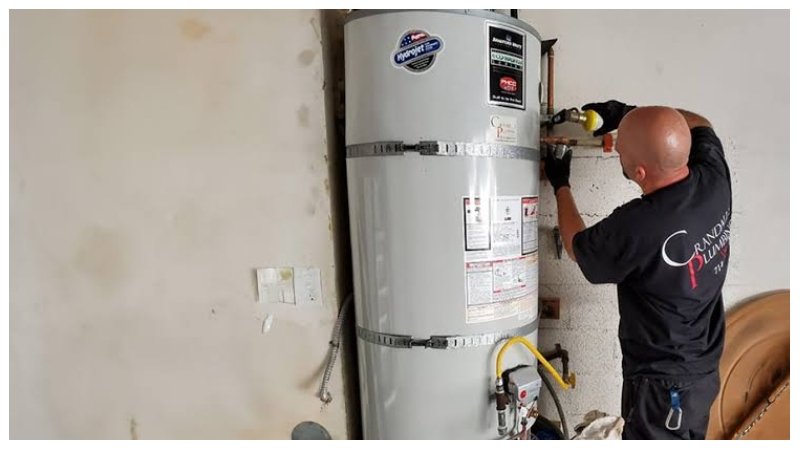
Upgrading your home’s heating system is a major step that promises improved comfort, lower energy bills, and enhanced indoor air quality. Whether your existing furnace is nearing the end of its lifespan or you’re seeking a more energy-efficient solution, mastering the essentials of a proper furnace installation can make all the difference. To start your project on the right foot, consider trusted Hamilton heating replacement services for professional support tailored to your home’s unique needs.
With the proper planning and expert guidance, the installation process can be seamless, ensuring your new furnace operates safely and efficiently. From accurate sizing to regular post-installation maintenance, understanding key factors along the way can help you avoid common pitfalls and achieve lasting results for your comfort and budget.
Proper preparation before installation, such as inspecting your home’s ductwork and verifying ventilation requirements, helps prevent future issues and boost your new system’s performance. Ensuring that your contractor is well-qualified and adheres closely to safety and code requirements also maximizes your investment in a new heating unit.
Key Takeaways
• Proper furnace sizing is crucial for efficiency and comfort.
• Assessing and upgrading ductwork can prevent energy loss.
• Understanding ventilation requirements ensures safety.
• Preparing your home makes the installation process smoother.
Furnace Sizing: Getting It Right
The first step toward a successful furnace installation is selecting a unit that fits your home perfectly. Oversized furnaces can cause frequent cycling, waste energy, and stress system components, while undersized units struggle to maintain comfortable temperatures. To accurately determine heating needs, contractors use Manual J load calculations that consider a home’s square footage, insulation, window efficiency, ceiling height, and local climate. According to The Spruce, choosing the right furnace size is essential for efficiency and comfort. A professional assessment ensures the new system can handle even the coldest days efficiently and effectively. Choosing the correct furnace not only improves comfort but also extends the lifespan of the heating system. Additionally, it helps reduce energy consumption, saving money on utility bills over time.
Ductwork Assessment and Upgrades
Before installing your new furnace, it’s vital to evaluate the condition of your home’s duct system. Cracked, leaky, or uninsulated ducts account for significant energy loss—sometimes up to 30%, according to the U.S. Department of Energy. A thorough inspection can identify problem areas such as leaks, disconnected segments, bends, or blockages. Repairing or upgrading ductwork not only improves furnace efficiency but also ensures balanced airflow, delivering heated air to every room for consistent comfort.
Understanding Ventilation Requirements
Adequate ventilation is essential for safe furnace performance. Modern high-efficiency furnaces often use sealed combustion systems that draw outside air for burning fuel and expel exhaust through sealed vents. This setup prevents exhaust gases, including carbon monoxide, from entering your living space. It’s crucial to comply with all manufacturer guidelines and local codes, as proper ventilation protects your household from safety risks and promotes optimal furnace operation. Consult with your contractor about vent placement and maintenance for maximum protection.
Preparing Your Home for Installation
Getting your home ready before the installation team arrives saves time and reduces hassles. Clear pathways to the furnace area, remove clutter, and secure pets during the process. Providing adequate workspace for the installers makes it easier to transport new equipment and remove old units. Additionally, confirm that existing gas or electrical lines meet code requirements and can support your new furnace’s specifications.

Enhancing Energy Efficiency
Investing in a high Annual Fuel Utilization Efficiency (AFUE) furnace yields long-term savings. Look for ENERGY STAR-rated models, which can improve efficiency by 15% or more compared to standard models. Pair your new unit with a programmable thermostat to automatically reduce heating during periods of inactivity, optimizing your home’s energy profile and lowering monthly bills.
Selecting a Qualified HVAC Contractor
Choosing a reliable contractor is key to a successful installation. Look for professionals who are licensed, insured, and well-reviewed in your area. Seek testimonials or recommendations from neighbors, and verify the contractor’s credentials through local business directories or online platforms. An experienced contractor will handle necessary permits, coordinate inspections, and adhere to all safety and building codes, greatly reducing the risk of post-installation issues.
Post-Installation Maintenance
After installation, regular maintenance is essential for preserving your furnace’s performance and extending its life. Schedule annual checkups to clean components, test safety controls, and calibrate system settings. Routine filter replacement every 1 to 3 months prevents airflow restrictions and maintains high indoor air quality. Proactive care helps catch minor problems before they escalate into costly repairs.
Budgeting for Furnace Installation
Budget comprehensively for your furnace replacement project. Costs to consider include the new furnace, labor, disposal of the old unit, ductwork upgrades, permits, and possible electrical or gas line modifications. Getting itemized estimates from multiple contractors can help you compare prices and avoid unexpected expenses. Prioritize trustworthy service and quality over the lowest bid to ensure lasting value from your investment.
By approaching each step in the furnace installation process thoughtfully—from sizing and ductwork to energy efficiency and regular upkeep—you’ll create a comfortable, safe home environment for years to come while maximizing your heating investment.
Please visit my site, Itbetterthisworld, for more details.