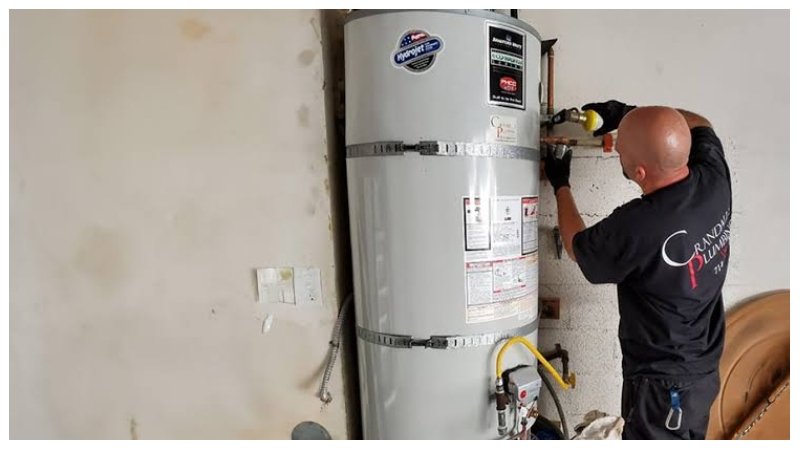
When was the last time you asked how your home would hold up in a blackout? Not how the candles might look, but whether the fridge would keep running or the sump pump would still work. In the past, outages were rare. A storm would pass, and power would return soon after. But things have changed. Extreme weather is more common. Outages last longer. Even places like Williamsburg, OH, are seeing the need to think differently. It’s no longer about fear. It’s about preparation. And the most valuable parts of a home today aren’t cosmetic—they’re the systems that keep life running when everything else stops.
In this blog, we will share how homeowners are shifting from style to resilience and what that says about the future of living well.
What “Smart” Means Now Isn’t About Apps
It’s tempting to think “smart homes” are defined by voice assistants, mood lighting, and refrigerators that tell you you’re out of milk. But as it turns out, the smartest homes are the ones that can function when the grid goes down.
Smart now means layered. It means backup plans that don’t need to be trendy to be essential. Because let’s be honest: when the power cuts, no one cares if your thermostat is voice-activated. What matters is whether your family is safe, warm, and able to keep going.
That’s why people are paying more attention to things like insulation, ventilation, and backup power. They’re looking for local solutions that offer long-term stability. For example, working with a reliable company that specializes in generator installation in Williamsburg, OH has become a quiet but growing trend among homeowners who’ve had one too many nights without power. It’s not about overreacting. It’s about not wanting to scramble every time the lights flicker.
These installations offer more than energy—they offer control. Instead of wondering how long the outage will last, homeowners can rest easy knowing their systems will keep running. Whether it’s protecting refrigerated food, keeping medical equipment functional, or staying connected to work or school, the goal is simple: keep the house livable, no matter what.
Function Is the New Flex
You used to impress guests with custom cabinetry and imported tile. Now? You impress them with a home battery backup, an indoor air quality monitor, or a pantry that can feed your family for a week.
This doesn’t mean style doesn’t matter. It means people are layering practicality underneath the pretty things. In fact, much modern design is moving toward dual-purpose features. A coffee table that hides emergency supplies. A reading nook that doubles as a storm shelter. It’s home décor, but make it tactical.
People are also rethinking their home layouts. Open floor plans may look sleek, but they’re harder to heat during power outages. A home office isn’t just a luxury anymore—it’s a necessity. Bonus rooms are being turned into hybrid work, wellness, or prep spaces. In a world where roles change fast, rooms need to keep up.
Even appliances are under the microscope. Energy-efficient models are great, but they also need to be compatible with backup systems. The conversation is shifting from “What’s the cheapest to run?” to “What keeps working when things don’t? ”
Safety Is Subtle, But It’s Powerful
One of the smartest things a homeowner can do right now isn’t loud or obvious. It’s knowing where your shut-off valves are. It’s testing your smoke detectors without waiting for the beep. They keep a solar-powered charger in the junk drawer—not just because it’s cool, but because it could be vital.
More homeowners are installing quiet security systems. Water sensors that alert them before a pipe bursts. Surge protectors for their most valuable electronics. Sealed bins for backup supplies that don’t get raided for weekend camping trips.
They’re also talking to their neighbors more. And not just about hedges. Community preparedness is growing because we’re realizing that no one faces an emergency alone. Having a plan to check on each other, share resources, or pool tools isn’t just practical—it’s powerful.
The Budget Is Moving Underground
One of the most interesting shifts in homeowner spending? It’s happening below the surface. Literally.
Crawl spaces are being sealed. Basements are being waterproofed. Foundations are being reinforced. Why? Because people are realizing that the things you don’t see are often the ones that cause the most damage when ignored.
Money that used to go into fancy finishes is now going into structural upgrades. Insulation that makes the house more energy-efficient. Roofs that last longer in extreme weather. Siding that holds up to hail. These don’t win design awards, but they win during windstorms. And increasingly, that’s the priority.
People aren’t just prepping for what might happen. They’re preparing for what has already happened too many times. And they’re tired of being caught off guard.
Future-Proofing Is the New Trend
Here’s the irony of homeownership in 2025: the biggest trend is not chasing trends.
It’s built for longevity. People are choosing materials that don’t need to be replaced every few years. They’re investing in systems that will still be relevant even if the climate keeps shifting or the economy throws another curveball.
Think of it this way: instead of trying to guess what the next hot feature will be, smart homeowners are asking what their homes will need to do when things get hard. Can this space adapt? Can this investment protect not just property, but peace of mind?
This applies to everything from HVAC to home insurance. It even shows up in how people buy furniture. Durable, modular pieces that can be rearranged depending on need are making a comeback. You might buy a sofa for how it looks today, but you’re also thinking about whether it’ll still be functional if you need to turn your living room into a temporary bedroom during a storm.
Confidence, Quietly Built
What all these choices have in common is intention. Quiet confidence. The kind that doesn’t come from flashy upgrades, but from the knowledge that your home isn’t just beautiful—it’s built for reality.
That’s what makes these priorities feel so new. Not because they’re complicated, but because they’re honest. They reflect a deeper understanding of what home is for. It’s not just about aesthetics or even status. It’s about security. And the smartest homeowners are the ones who see that before anyone else.
So yes, the backup generator in the garage might not make it onto your Instagram reel. And the sealed crawl space might never come up at the dinner party. But these are the things that give a home its quiet strength. And they’re becoming the new foundation for what we now call smart living.
Let others chase trends. You’ve got a house that works when it counts. That’s the flex. Please visit my site, Itbetterthisworld, for more details.