When the temperatures start to drop, getting your home ready for winter becomes a top priority. The cold in Brockport, NY, can hit hard, and once snow and ice arrive, small issues can quickly turn into big problems. Taking time now to prepare your home helps you stay warm and avoid costly repairs later.
Winterizing your home isn’t just about comfort. It’s about safety, energy savings, and peace of mind. From checking your heating system to improving insulation, a few smart upgrades can make a big difference when the weather turns harsh. Let’s look at some essential steps to get your home ready before winter fully settles in.
1. Check and Upgrade Your Heating System
Before the cold sets in, it’s a good idea to make sure your heating system is working properly. Turn it on early in the season and listen for unusual sounds or uneven heating. If you notice weak airflow or rooms that stay chilly, it might be time for a professional tune-up.
A simple furnace inspection can catch problems before they become serious. Professionals can clean the unit, replace worn parts, and make sure the system is running safely and efficiently. Replacing old filters also helps your furnace breathe better, improving airflow throughout your home.
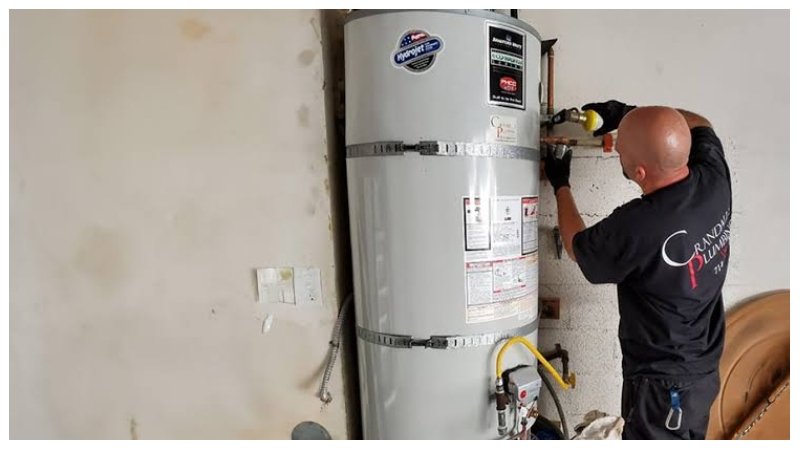
It’s also smart to give your water heater a quick check. If your showers cool off too soon or you’re running out of hot water quicker than usual, that could point to a developing problem. Getting expert help for water heater repair in Brockport, NY, can make sure you have consistent hot water and avoid bigger heating problems during the coldest months.
2. Stop Heat Loss by Sealing Drafts and Adding Insulation
When cold air sneaks in through gaps, your heating system has to work overtime to keep things warm. Walk around your home and check for gaps near windows, doors, and baseboards. If you feel cold air coming in, it’s time to seal those leaks.
Weatherstripping and caulk are simple and affordable fixes that prevent heat from escaping. They also help your home stay warmer without turning up the thermostat.
Don’t forget about your attic and basement. These areas often lose the most heat. Adding insulation in these spaces can make a noticeable difference in comfort and energy savings. You’ll not only keep your home cozy but also reduce strain on your heating system.
3. Prepare Your Plumbing for Freezing Temperatures
Frozen pipes are one of the biggest winter headaches. When water freezes, it expands, and that can cause pipes to burst. Preventing that is much easier than fixing it later.
If you’re leaving home for a few days, keep your thermostat set above 55 degrees to prevent pipes from freezing. On very cold nights, letting faucets drip slightly can also help keep water moving through the lines.
Lastly, drain and disconnect outdoor hoses before the first freeze. Shut off the water supply to outside faucets if possible. These small steps protect your plumbing and save you from expensive repairs when temperatures drop.
4. Service Your Electrical System
Your electrical system works harder during winter, powering heating systems, holiday lights, and more indoor activities. That extra demand can expose hidden problems in older wiring or overloaded circuits.
Have a licensed electrician inspect your main panel and outlets for signs of wear or damage. Replacing old wiring or upgrading to a modern panel helps prevent power surges and keeps your home safe.
You can also add surge protectors to protect sensitive electronics. It’s a small investment that can save you from costly damage caused by unexpected outages or lightning strikes.
Good lighting also makes winter safer and more comfortable. As days get shorter, consider adding brighter, energy-efficient bulbs in key areas. It’s a simple way to improve both visibility and mood when daylight is limited.
5. Clean and Inspect Your Roof and Gutters
Your roof and gutters handle a lot during the winter months. Heavy snow, ice, and strong winds can take a toll if they’re not in good shape. Taking time to check them before winter helps prevent leaks and water damage later on.
Start by clearing leaves and debris from gutters. Clogged gutters trap water, which can freeze and form ice dams. These ice buildups can push water under shingles and cause leaks inside your home.
Inspect your roof for loose or missing shingles. Damaged spots can let in moisture, leading to bigger problems when snow begins to melt. If you’re not comfortable doing it yourself, a professional inspection is worth the cost.
Trim overhanging tree branches near your roof as well. Snow and ice can weigh them down and cause them to break, potentially damaging shingles or gutters.
6. Improve Indoor Air Quality
Once winter hits, most homes stay closed up to keep the heat in. While that helps with comfort, it also traps dust and allergens inside. Poor air quality can make the air feel stuffy and dry, especially when the heat runs often.
Change your HVAC filters at least once every few months. Clean filters improve airflow and keep your system running efficiently. Consider using air purifiers to reduce allergens and dust particles.
Adding a humidifier can also make a big difference. Heated indoor air can get very dry, which can cause dry skin and sore throats. Keeping humidity at a comfortable level improves overall indoor comfort. Don’t forget to open windows for a few minutes on mild days. A little fresh air circulation helps keep your home feeling clean and balanced, even during the cold season.
The best time to prepare for winter is before it fully arrives. A few simple upgrades now can prevent a lot of trouble later. Regular maintenance, insulation improvements, and small checks around your home make a big difference in how comfortable and efficient it will be during the coldest months.
Winter can be tough, but a well-prepared home can handle it with ease. By staying proactive, you’ll save money on energy bills, avoid emergency repairs, and enjoy a cozy home all season long.
Please visit my site, Itbetterthisworld, for more details.