Heating systems are vital for maintaining comfort and warmth during colder months, yet many homeowners still hold onto outdated and misleading beliefs about how these systems work.
These misconceptions often lead to inefficiency, unnecessary expenses, and shorter system lifespans. By understanding and debunking these myths, you can keep your heating system running efficiently and extend its performance for years to come.
Getting the Basics Right Before Installation
One of the most misleading myths about heating systems is that installation is a simple process anyone can handle with a few tools and some online guidance. In reality, improper setup is one of the leading causes of poor performance, high energy bills, and frequent breakdowns.
Every home has unique heating requirements based on size, insulation, and layout, and these factors directly affect how efficiently a system will operate. Choosing the correct unit and ensuring it is properly fitted are essential to long-term comfort and reliability.
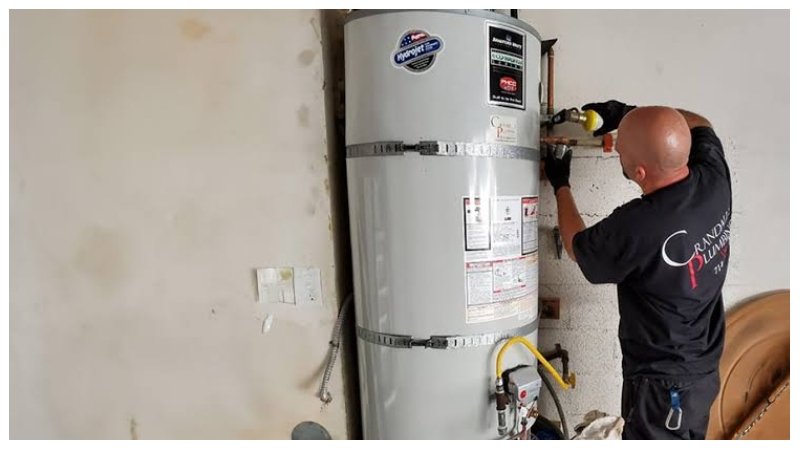
This is where professional furnace installation & replacement makes all the difference. Experienced technicians assess the heating load, design the proper airflow, and ensure that every component works in harmony with your home’s structure. When done correctly, the system delivers even heating, minimizes wear on parts, and reduces energy waste.
On the other hand, improper installation can lead to uneven temperatures, short cycling, and premature system failure. Investing time in getting this stage right is the key to achieving maximum efficiency and comfort from your heating system.
The “Set It and Forget It” Thermostat Myth
Many homeowners assume that once the thermostat is set, there’s no reason to adjust it again. While this may seem convenient, maintaining one constant temperature all day wastes energy. Heating systems operate most efficiently when the thermostat settings match your daily schedule. Lowering the temperature while you sleep or are away can significantly reduce energy use without affecting comfort.
Smart and programmable thermostats make this process effortless. By automatically adjusting temperatures based on your habits, they help balance comfort and efficiency, ensuring that your home stays warm only when needed.
The Myth That Maintenance Is Optional
Another persistent belief is that heating systems don’t need regular maintenance unless something goes wrong. This is far from true. Routine maintenance is critical to keeping your system running efficiently and avoiding costly repairs. Dust, debris, and worn parts can cause the unit to work harder, leading to higher energy bills and potential breakdowns.
Regular maintenance checks allow professionals to clean components, replace filters, inspect safety controls, and identify early signs of wear. This preventive care ensures optimal performance, extends system life, and maintains consistent indoor comfort throughout the heating season.
The Myth That All Heating Systems Work the Same Way
Not all heating systems operate the same. Forced-air furnaces, boilers, radiant heating systems, and heat pumps each use different methods to generate and distribute heat. Believing they all function identically can result in improper usage or maintenance.
For example, a heat pump operates efficiently by transferring heat, whereas a furnace generates heat directly through combustion. Treating these systems the same way can lead to poor performance and even safety hazards. Understanding your specific system’s design helps you use and maintain it properly, ensuring maximum comfort and efficiency.
Turning Up the Thermostat Won’t Heat the Home Faster
A common frustration during cold weather is waiting for the home to warm up. Many people respond by cranking the thermostat higher, assuming it will heat faster. Unfortunately, heating systems don’t work like that. They produce heat at a steady rate until the desired temperature is reached. Setting the thermostat higher only makes the system run longer, often leading to overheating and wasted energy.
The better approach is to set your thermostat to your desired comfort level and allow the system to reach it naturally. Using programmable thermostats can help you preheat your home before you arrive, avoiding the temptation to overcompensate.
Energy-Efficient Upgrades Are Worth the Investment
Some homeowners believe that upgrading to energy-efficient heating equipment doesn’t make a meaningful difference. This myth often discourages people from replacing older systems. In truth, modern systems are engineered for higher performance and lower energy consumption.
Energy-efficient models maintain comfortable temperatures while using less power or fuel, resulting in noticeable savings over time. Combined with improvements such as proper insulation and sealed ducts, these systems reduce energy waste and enhance comfort. The initial investment pays off through lower utility bills and longer-lasting performance.
Waiting for a Breakdown Before Replacing the System
Many people postpone system replacement until their heating unit completely fails. While this may seem practical, it often leads to higher costs and discomfort. Older systems lose efficiency over time, consume more energy, and require frequent repairs. Waiting for total failure usually means having to make a rushed replacement decision during cold weather.
Being proactive allows you to explore different options, schedule installation at your convenience, and avoid emergency expenses. If your system is old, inefficient, or frequently breaking down, planning ensures you’ll have a reliable and efficient unit ready when you need it most.
Ignoring Air Filters Causes Bigger Issues
Air filters play a vital role in maintaining clean airflow and protecting your heating system. Unfortunately, many homeowners overlook them, assuming they don’t need frequent attention. Dirty filters restrict airflow, forcing the system to work harder, which raises energy use and shortens component lifespan.
Replacing or cleaning filters regularly is one of the simplest yet most effective maintenance steps. It improves air circulation, enhances indoor air quality, and helps your system operate efficiently. Clean filters protect both your heating equipment and your family’s health.
The Truth About Heating Systems
Many long-standing myths about heating systems sound reasonable but are far from accurate. From professional installation and regular maintenance to proper thermostat use and system upgrades, every step you take toward understanding your heating system makes a difference. By letting go of these misconceptions, you can enjoy greater comfort, lower energy costs, and a reliable system that keeps your home warm year after year. Please visit our blog.