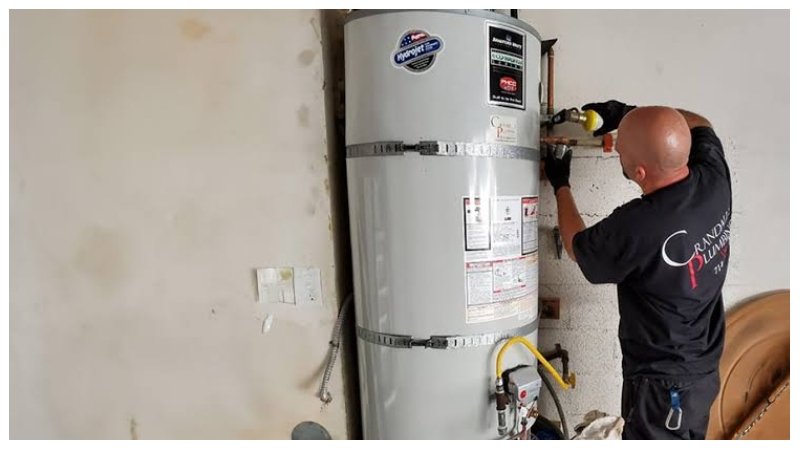
Homeowners often notice fluctuations in their energy bills but may not realize that their heating and cooling systems are among the biggest factors behind those changes. The HVAC system works quietly in the background, yet it accounts for a large portion of a home’s total energy use. Understanding how these systems influence utility costs can help homeowners make better decisions that improve efficiency, reduce waste, and maintain consistent comfort.
When HVAC systems lose efficiency, they require more energy to deliver the same level of heating or cooling. Over time, this not only increases bills but also puts unnecessary strain on the equipment. Knowing what affects system performance and how to address those issues is the key to controlling energy expenses without sacrificing comfort.
How HVAC Efficiency Impacts Home Energy Costs
The efficiency of an HVAC system determines how effectively it converts energy into heating or cooling for the home. When a system is running efficiently, it reaches and maintains the desired temperature with minimal energy use. When it is not, every degree of temperature change costs more.
Dirty air filters, worn components, or duct leaks can all lower efficiency, forcing the system to work harder and run longer. Over time, this adds up to higher utility bills and increased wear and tear on the unit. Regular inspections and maintenance can prevent these problems and keep the system running at peak performance.
Professional HVAC contractors such as A-1 Heating and Air Conditioning & Electric specialize in helping homeowners maintain efficient systems through proper installation, repair, and maintenance services. Their expertise ensures that heating and cooling equipment performs optimally, reducing unnecessary energy waste and keeping household expenses stable.
Even small maintenance steps, like cleaning coils or sealing ducts, can make a measurable difference. For older systems, professional servicing can restore a surprising amount of lost efficiency, allowing homeowners to delay replacement while still lowering their monthly energy use.
The Role of Insulation and Airflow
An HVAC system can only be as efficient as the home it serves. Proper insulation prevents heated or cooled air from escaping, reducing the amount of time the system must run to maintain comfortable indoor conditions. Poorly insulated homes lose air through walls, ceilings, and windows, which causes the HVAC system to operate longer and consume more power.
Airflow is equally important. When vents are blocked or ducts are poorly designed, air cannot move freely throughout the home. This results in uneven temperatures and frequent cycling of the HVAC system, both of which waste energy.
How Thermostat Settings Influence Energy Use
The thermostat is one of the simplest yet most effective tools for controlling energy costs. Small temperature adjustments can have a significant impact on how much energy a household uses.
When thermostats are set too high in winter or too low in summer, HVAC systems must work continuously to maintain those extremes. Adjusting the temperature by just a few degrees can ease the system’s workload and reduce energy use substantially.
Maintenance and Its Connection to Energy Consumption
Regular HVAC maintenance is one of the most effective ways to control energy expenses. Neglecting basic upkeep allows dirt and dust to accumulate, reduces airflow, and forces the system to consume more energy than necessary.
Professional maintenance includes cleaning key components, checking refrigerant levels, tightening electrical connections, and ensuring that all moving parts are in good condition. Each of these steps helps the system operate efficiently and prevents unexpected breakdowns that could otherwise lead to high repair costs.
Homeowners can also take small steps themselves, such as replacing filters regularly and ensuring outdoor units remain clear of debris. These actions improve airflow, reduce strain on the system, and extend equipment lifespan—all while lowering energy consumption.
The Relationship Between HVAC Size and Energy Efficiency
Choosing the correct system size for a home is essential for maintaining energy efficiency. Many people mistakenly believe that a larger system provides better comfort, but an oversized unit can actually waste more energy. Such systems heat or cool the space too quickly, causing them to shut off before completing a full cycle. This frequent starting and stopping, known as short cycling, uses excess power and leads to uneven indoor temperatures.
A system that is too small faces the opposite problem. It runs constantly in an attempt to reach the desired temperature but rarely achieves it, resulting in higher energy bills and reduced comfort.
Seasonal Changes and Their Effect on Energy Bills
Seasonal shifts place different demands on HVAC systems. In summer, the system must remove heat from the home, while in winter it must generate or transfer heat inside. During these peak seasons, energy bills naturally rise. However, strategic preparation can keep those increases minimal.
Scheduling maintenance before each major season ensures that the system runs efficiently when it is needed most. Checking refrigerant levels, inspecting heating components, and cleaning ducts before heavy use helps prevent performance problems.
The Impact of Air Quality on System Efficiency
Indoor air quality has a direct effect on HVAC performance. When air filters become clogged with dust and debris, airflow is restricted, and the system must work harder to circulate air. This not only reduces efficiency but can also shorten the lifespan of the equipment.
Regularly replacing filters is one of the simplest and most effective ways to preserve efficiency. Clean filters allow air to pass freely through the system, ensuring consistent temperature control with less energy use.
Maintaining clean indoor air also helps keep internal components free from buildup, reducing the risk of mechanical strain and maintaining steady performance throughout the year.
How Homeowners Can Lower HVAC-Related Energy Bills
Reducing HVAC energy costs does not always require large investments. Simple changes in habits and consistent care can make a significant difference. Replacing filters, scheduling regular maintenance, sealing air leaks, and keeping vents unblocked all contribute to improved efficiency.
By understanding how HVAC systems influence energy consumption, homeowners can make informed decisions that maintain comfort and control costs. An efficient HVAC system is not simply about technology—it is about consistent maintenance, mindful use, and the right professional guidance to keep everything operating at its best. Please visit our blog.