A well-installed HVAC system can make a remarkable difference in how much energy your home uses and how comfortable it feels year-round. Heating, ventilation, and air conditioning systems are responsible for maintaining the right indoor temperature and air quality, but when not installed correctly, they can become one of the biggest contributors to high energy bills.
By understanding how proper installation and regular maintenance play key roles, homeowners can enjoy efficient performance and long-term savings.
In Bridgeport, CT, where temperatures vary greatly throughout the year, an efficiently running HVAC system is not just a luxury but a necessity.
The Importance of Hiring Professionals
When it comes to achieving energy efficiency, the installation process is just as important as the equipment itself. Homeowners often underestimate how much of an impact proper installation has on system performance.
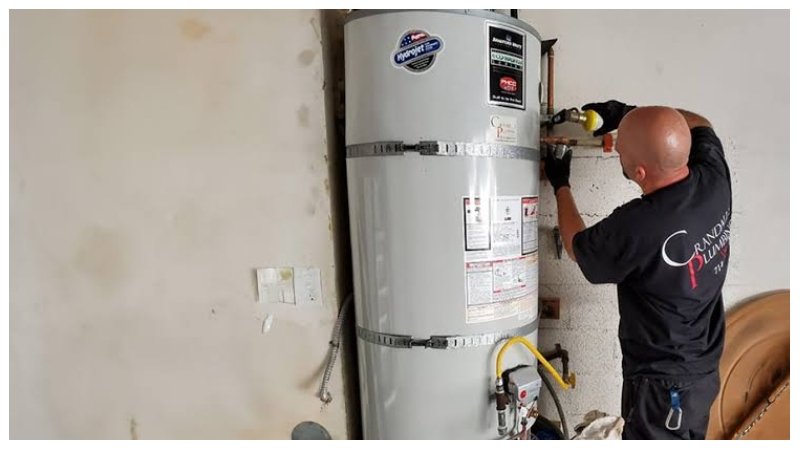
Professional HVAC installation in Bridgeport, CT, ensures that the system operates at peak efficiency, keeping energy consumption low and performance high. Poor installation can lead to air leaks, incorrect sizing, or uneven airflow, which forces the unit to work harder than necessary. This additional strain increases energy use and shortens the lifespan of the equipment.
Proper installation begins with an accurate load calculation to determine the right system size for the home. This ensures that the HVAC system is neither too large nor too small. An undersized system will have difficulty keeping the indoor temperature consistent, whereas an oversized one will turn on and off repeatedly, leading to unnecessary energy waste.
Professional installers also pay attention to ductwork design, sealing, and insulation, as poorly designed ducts can lead to significant energy loss. A well-installed HVAC system maximizes comfort while minimizing energy waste.
The Role of Proper Insulation and Sealing
Even the most efficient HVAC system cannot perform well if your home is poorly insulated. When air escapes through leaks, gaps, or poorly sealed ducts, your system must work longer to maintain the desired temperature. Ensuring that all ductwork, doors, windows, and attic spaces are properly sealed can reduce unnecessary strain on your HVAC system and significantly lower your energy bills.
Insulation acts as a barrier that keeps conditioned air inside and prevents outdoor air from entering. This means your HVAC unit runs less frequently, saving both energy and money.
Regularly inspecting insulation and sealing problem areas can make a noticeable difference. Homeowners should look for gaps around windows, doors, and vents, as well as areas where pipes or wires enter the home. Sealing these gaps with appropriate materials helps improve the overall efficiency of the system.
Regular Maintenance for Long-Term Savings
Routine maintenance plays a crucial role in ensuring that your HVAC system continues to operate efficiently. Dust, debris, and worn-out parts can cause the system to work harder, increasing energy use over time. Scheduling seasonal maintenance checks allows professionals to clean components, replace filters, and inspect for potential issues before they turn into expensive repairs. Clean air filters, for instance, improve airflow and prevent the system from straining unnecessarily.
Homeowners should replace or clean air filters regularly, especially during peak heating and cooling seasons. Neglecting this simple task can lead to higher energy consumption and reduced air quality. During maintenance visits, technicians also check refrigerant levels, inspect ductwork for leaks, and calibrate thermostats to ensure the system runs smoothly.
Smart Thermostat Settings and Energy Efficiency
Another effective way to reduce energy bills is by optimizing thermostat settings. Small adjustments can have a big impact on how much energy your HVAC system uses. Setting your thermostat a few degrees lower in winter and a few degrees higher in summer can make a noticeable difference without sacrificing comfort.
Modern programmable thermostats allow homeowners to create schedules that adjust temperatures automatically based on daily routines. This ensures that energy is not wasted when no one is home.
The Impact of Proper Airflow and Ventilation
Airflow is a critical factor in HVAC efficiency. When airflow is restricted, the system must work harder to push air through the ducts, consuming more energy in the process. Ensuring that vents and registers are unobstructed allows for balanced airflow throughout the home. Furniture, curtains, or rugs should never block vents, as doing so can disrupt circulation and make some areas of the home less comfortable.
Proper ventilation also plays an important role in maintaining air quality and preventing moisture buildup. Excess humidity can cause your system to run longer to remove moisture from the air, which increases energy usage.
Upgrading Older Systems for Better Efficiency
If your HVAC system is old or constantly breaking down, replacing it with a newer, more efficient model can result in significant energy savings.
Modern systems are designed with advanced technologies that consume less energy while providing superior comfort. Even though upgrading involves an initial investment, the reduction in monthly energy bills and improved reliability make it a worthwhile decision in the long term.
A new HVAC system often includes better insulation, quieter operation, and improved temperature control. Homeowners who choose to upgrade should ensure that installation is handled by qualified professionals, as even the best system will perform poorly if installed incorrectly.
Simple Habits That Support Efficiency
Energy savings do not depend solely on technology. Adopting simple daily habits can also help keep energy costs low. Closing blinds or curtains during hot summer days prevents heat from entering, reducing the need for cooling.
In the winter, opening them during sunny hours allows natural warmth to heat the room. Keeping doors closed between conditioned and unconditioned spaces, such as garages or attics, helps maintain consistent indoor temperatures.
Homeowners should also be mindful of household activities that produce excess heat, such as cooking or using large appliances during the hottest parts of the day. Running dishwashers or washing machines at night when outdoor temperatures are cooler reduces the strain on the HVAC system.
A well-installed and properly maintained HVAC system is one of the most effective ways to keep energy bills low while maintaining a comfortable home environment. From professional installation and insulation to regular maintenance and mindful daily habits, every step contributes to improved efficiency and cost savings.
Please visit my site, Itbetterthisworld, for more details.