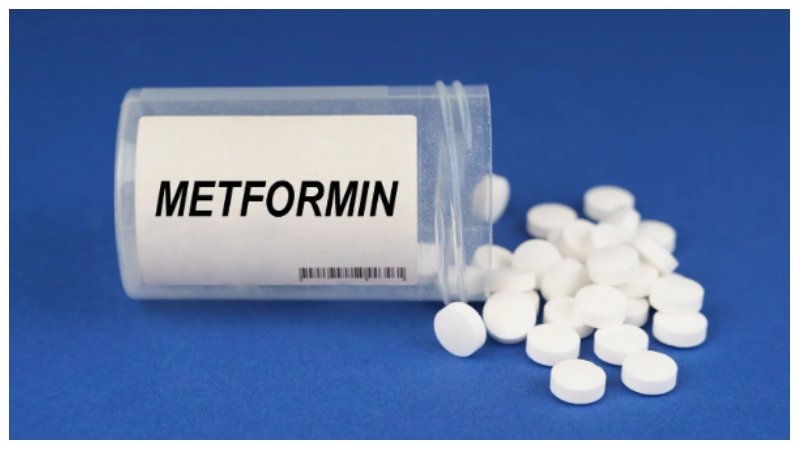
Metformin is a widely prescribed drug for managing type 2 diabetes, known for its ability to regulate blood sugar levels and improve insulin sensitivity. But in recent years, interest has grown in Metformina natural — or natural alternatives to metformin—especially among people seeking plant-based or holistic approaches to health.
In this article, we’ll explore the concept of natural metformin, its potential benefits, natural compounds with metformin-like properties, and how they compare to pharmaceutical options. We’ll also briefly touch upon other longevity-related compounds, such as rapamycin, and discuss their costs and implications for public health.
What Is Metformin?
Before diving into natural alternatives, it’s essential to understand what metformin does.
Metformin is an oral antihyperglycemic agent primarily used to manage type 2 diabetes. It works by:
- Reducing glucose production in the liver (gluconeogenesis)
- Increasing insulin sensitivity
- Enhancing peripheral glucose uptake
- Modestly reducing appetite
It is also being researched for its potential anti-aging and cancer-preventive properties. However, not everyone tolerates metformin well, and some prefer non-pharmaceutical approaches for managing blood sugar and metabolic health.
What Does “Metformina Natural” Mean?
The term “Metformina natural” refers to natural substances, primarily plant-based, that exhibit similar mechanisms to metformin without being synthetic drugs. These compounds may:
- Improve insulin sensitivity
- Reduce blood sugar levels
- Support weight loss or metabolic health
- Have antioxidant and anti-inflammatory effects
While natural compounds may not be as potent or fast-acting as metformin, they offer benefits with fewer side effects and better long-term safety profiles.
Natural Alternatives to Metformin
Here are some of the most researched and effective natural alternatives to metformin:
1. Berberine
Berberine is an alkaloid found in plants such as Berberis aristata (Indian barberry). It’s often referred to as the most potent natural alternative to metformin.
How it works:
- Activates AMP-activated protein kinase (AMPK), similar to metformin
- Reduces hepatic glucose production
- Enhances insulin sensitivity
Benefits:
- Reduces HbA1c levels
- Supports weight loss
- Improves lipid profiles
- Has antimicrobial and anti-inflammatory effects
Dosage:
Common doses range between 500 mg and 1500 mg per day, often divided into 2–3 doses.
2. Cinnamon Extract
Cinnamon has long been used in traditional medicine to control blood sugar levels.
How it works:
- Improves insulin receptor function
- Enhances glucose uptake by cells
- Slows gastric emptying
Benefits:
- A modest reduction in fasting blood glucose
- Antioxidant support
- Improves triglyceride and cholesterol levels
Note: Ceylon cinnamon is preferred over Cassia due to lower coumarin content (which can be toxic in large doses).
3. Gymnema Sylvestre
Known as the “sugar destroyer” in Ayurvedic medicine, this herb has shown promise in helping reduce sugar cravings and blood glucose levels.
Mechanism:
- Inhibits glucose absorption in the intestine
- Regenerates pancreatic beta cells
- Enhances insulin production
Benefits:
- Reduces post-meal blood sugar spikes
- Supports weight management
- Reduces cravings for sweets
4. Alpha-Lipoic Acid (ALA)
ALA is a powerful antioxidant that plays a role in mitochondrial energy metabolism.
Benefits:
- Increases insulin sensitivity
- Reduces oxidative stress
- Supports nerve health (useful in diabetic neuropathy)
Typical dosage:
300–600 mg per day
5. Fenugreek
Fenugreek seeds contain soluble fiber that helps control blood sugar levels by slowing down carbohydrate absorption.
Benefits:
- Lowers fasting and post-meal glucose
- Improves insulin sensitivity
- Rich in minerals and vitamins
6. Resveratrol
This compound, found in red grapes and berries, is also being studied for anti-aging and metabolic effects.
How it helps:
- Activates SIRT1 and AMPK
- Improves mitochondrial function
- Enhances glucose metabolism
While not as effective alone for blood sugar control, it’s a powerful adjunct in metabolic health strategies.
Metformina Natural vs Pharmaceutical Metformin
| Criteria | Metformin | Metformina Natural |
| Efficacy | High (clinically proven) | Moderate to High (depends on compound) |
| Side Effects | GI upset, lactic acidosis (rare) | Generally minimal |
| Cost | Affordable | It can be higher depending on the supplement |
| Accessibility | Prescription required | Available over-the-counter or online |
| Longevity Use | Under research | Also studied (berberine, resveratrol) |
While natural alternatives to metformin may not entirely replace prescription metformin for everyone, they are excellent options for those with mild insulin resistance, prediabetes, or those who cannot tolerate metformin.
Rapamycin and Metformin: A New Frontier in Longevity
While metformin is well-known in the diabetic and anti-aging communities, another compound that has attracted attention is rapamycin.
Originally used as an immunosuppressant, rapamycin has shown promise in extending lifespan in animal studies. It works primarily by inhibiting the mTOR pathway, which plays a crucial role in cellular growth, metabolism, and aging.
Key benefits of rapamycin:
- Promotes autophagy (cellular cleanup)
- May extend lifespan and healthspan
- Potential anti-cancer properties
But what about Rapamycin cost?
Rapamycin is still relatively expensive and not widely prescribed for off-label uses like anti-aging. Depending on the country and formulation, Rapamycin cost can range from $2 to $10 per mg. Since typical doses for longevity purposes are taken weekly (e.g., 3–6 mg), the monthly cost can vary from $30 to over $200.
In contrast, metformin and natural compounds like berberine are more affordable and accessible for most people.
Safety and Considerations
Natural does not always mean safe. Here are some things to keep in mind:
- Always consult a healthcare provider before replacing any prescription medication.
- Some supplements may interact with medications like blood thinners or antihypertensives.
- Quality matters—choose third-party tested supplements to avoid contamination or underdosing.
Also, lifestyle factors such as diet, exercise, sleep, and stress management are as crucial as any supplement in managing metabolic health.
Conclusion
The interest in natural alternatives to metformin is growing—and for good reason. With proper research, many plant-based compounds such as berberine, cinnamon, and gymnema offer real metabolic benefits with fewer side effects. While they may not fully replace metformin in all cases, they provide valuable support for blood sugar control, weight management, and even anti-aging efforts.
Meanwhile, compounds like rapamycin represent cutting-edge science, but rapamycin’s cost and its long-term safety in humans are still being evaluated. Until then, natural compounds remain a promising, safer, and more affordable approach for those looking to support metabolic health naturally.
Please visit my site, Itbetterthisworld, for more details.