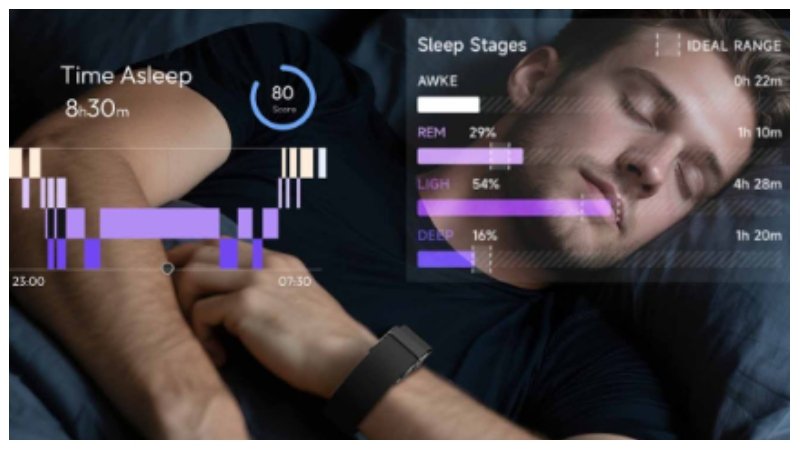
In today’s fast-paced world, where wellness and productivity go hand in hand, monitoring your health has become more important than ever. Among the many aspects of personal well-being, sleep plays a crucial role in maintaining physical and mental health. Modern technology now offers a convenient and effective solution: the smart band with sleep analysis.
These wearable devices have evolved beyond basic step counting. They now provide detailed insights into your sleep patterns, stress levels, heart rate, and more. In this article, we’ll dive deep into how smart bands track your sleep, the technology behind it, and how they compare to newer alternatives like the Ring Health Tracker.
What Is a Smart Band?
A smart band—also known as a fitness tracker—is a wearable device worn on the wrist. It’s primarily designed to help users track various aspects of their physical activity and health. Unlike traditional watches, smart bands come equipped with sensors that collect data about your movement, heart rate, sleep cycles, and sometimes even blood oxygen levels.
These devices have become increasingly popular among people looking to live healthier lives, offering real-time feedback and long-term tracking via smartphone apps.
The Importance of Sleep Tracking
Before diving into how a smart band with sleep analysis works, it’s essential to understand why sleep tracking matters. Quality sleep is linked to a stronger immune system, better cognitive performance, emotional stability, and overall physical health.
Poor sleep or irregular sleep cycles can lead to:
- Chronic fatigue
- Weakened immunity
- Anxiety and depression
- Weight gain
- Increased risk of cardiovascular diseases
Sleep tracking helps identify poor sleep habits and sleep disorders such as insomnia, sleep apnea, or restless leg syndrome. With this information, users can take corrective actions to improve their sleep hygiene.
How Smart Bands Track Sleep
H2: Core Technology Behind Sleep Analysis
Most smart bands use a combination of motion sensors (accelerometers) and optical heart rate sensors (PPG – photoplethysmography) to estimate your sleep stages. Here’s how it works:
- Motion Detection: When you’re asleep, your body tends to be still. Accelerometers detect movements to distinguish between wakefulness and sleep.
- Heart Rate Monitoring: Your heart rate varies between different sleep stages. During deep sleep, it slows down significantly. During REM (Rapid Eye Movement) sleep, it may increase slightly. Smart bands analyze this pattern to detect which stage you’re in.
- Sleep Staging Algorithms: The data collected is processed through algorithms to break your sleep into:
- Light Sleep
- Deep Sleep
- REM Sleep
- Awake Periods
- Sleep Score: Most smart bands provide a “sleep score” based on the duration and quality of each stage. Some may also provide personalized tips to improve your sleep.
H3: Advanced Features in Modern Smart Bands
Modern smart bands now come with additional sleep-related features such as
- Sleep Breathing Monitoring: Detects irregular breathing that may indicate sleep apnea.
- Blood Oxygen Saturation (SpO2): Low oxygen levels during sleep can signal respiratory issues.
- Snore Detection: Some bands can detect snoring patterns, helping you identify disruptive habits.
- Smart Alarms: Wakes you up gently during light sleep, making mornings less groggy.
Comparing Smart Band with Sleep Analysis and Ring Health Tracker
While smart bands are well-known for tracking health, another form of wearable tech is gaining popularity: the ring health tracker.
H2: What is a Ring Health Tracker?
A ring health tracker is a compact, stylish device worn on the finger. Despite its small size, it is equipped with powerful sensors that can track heart rate, temperature, sleep stages, and physical activity.
H3: Sleep Tracking: Band vs. Ring
Let’s compare both devices in terms of sleep tracking:
| Feature | Smart Band | Ring Health Tracker |
| Comfort | Worn on the wrist, it may cause slight discomfort during sleep | Worn on the finger, more comfortable for some users |
| Battery Life | 5–14 days depending on brand | 4–7 days |
| Accuracy | High, but may misinterpret movement | Often more accurate due to tighter skin contact |
| Data Provided | Sleep stages, heart rate, SpO2 | Sleep stages, temperature variation, heart rate, SpO2 |
| Style | Sporty or casual | Sleek and minimalistic |
| Cost | Affordable to mid-range | Usually more expensive |
H3: Which Should You Choose?
- Choose a smart band if you want a multi-functional, budget-friendly device with fitness tracking, notifications, and decent sleep analysis.
- Choose a Ring Health Tracker if your focus is more on discreet and highly accurate health metrics, especially for sleep.
Both have their advantages, and your choice depends on personal preference, comfort, and specific health needs.
Popular Smart Bands with Sleep Analysis (2025 Update)
If you’re looking for a smart band with sleep analysis, here are some of the best options available in 2025:
H3: 1. Fitbit Charge 6
- Sleep Score and personalized insights
- Smart wake alarm
- Tracks SpO2 and heart rate variability
- Integration with Google Fit and the Fitbit app
H3: 2. Xiaomi Smart Band 8
- Affordable yet feature-rich
- Tracks sleep duration and quality
- Lightweight and comfortable for sleep use
H3: 3. Garmin Vivosmart 5
- Advanced sleep tracking with a pulse oximeter
- Stress monitoring and respiration tracking
- Syncs with the Garmin Connect app
Tips for Better Sleep Using Smart Bands
Owning a smart band is just the beginning. To make the most of your sleep data, follow these tips:
- Wear It Consistently: Sleep data becomes more valuable over time.
- Review Your Data Each Morning: Check your sleep stages and note any patterns.
- Follow Recommendations: Many apps provide tips based on your data.
- Avoid Caffeine & Screens Before Bed: Combine your data with good sleep hygiene.
- Enable Smart Alarm: Wake up at the optimal sleep stage to feel refreshed.
The Future of Sleep Technology
As AI and sensor technology continue to evolve, both smart bands and ring health trackers are expected to become even more accurate and insightful. We may soon see devices capable of detecting early signs of sleep disorders, syncing with smart homes to adjust room temperature, or even offering personalized coaching based on your biological rhythms.
Final Thoughts
Investing in a smart band with sleep analysis is a smart move for anyone looking to understand and improve their health. These compact devices offer a window into your nightly rest, helping you take actionable steps toward better well-being.
Whether you choose a wrist-based tracker or a ring health tracker, the key is to use the data regularly and meaningfully. After all, better sleep isn’t just about how long you sleep—but how well.
Please visit my site, Itbetterthisworld, for more details.