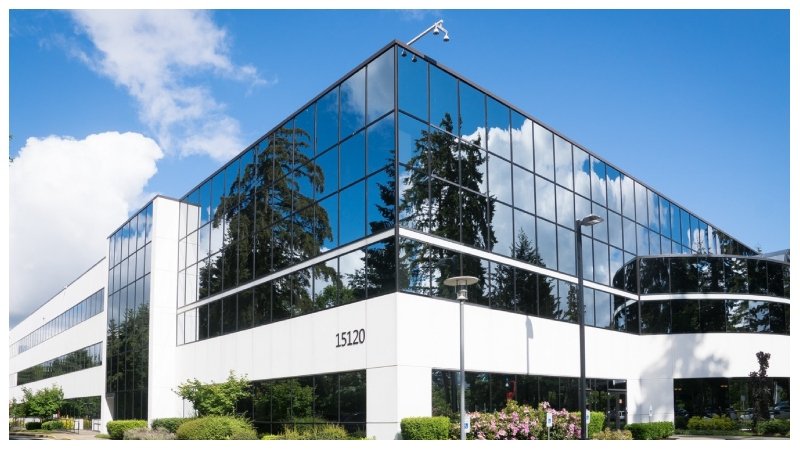
What does it take for an office exterior to look great and hold up year after year under the Texas sun? From triple-digit heat to sudden hailstorms, every part of a building’s exterior is tested by the elements.
Choosing durable materials, smart shading, and weather-conscious design isn’t just about style; it’s about protecting your investment and keeping your workspace comfortable and efficient. A well-planned exterior can handle anything Texas throws at it while maintaining a professional, lasting impression.
What Makes Texas Weather So Tough on Buildings
Texas weather isn’t just hot; it’s unpredictable. In one part of the state, offices deal with months of high humidity and torrential rain, while in another, the air is dry, dusty, and relentlessly sunny.
These constant changes can wreak havoc on building materials, causing paint to fade, metal to expand, and wooden elements to warp. Even well-built structures can show wear faster than expected if not designed with local conditions in mind.
On top of that, Texas storms can be sudden and severe. Hail, high winds, and flash floods put exterior materials to the test.
Then come the occasional cold snaps that create freeze-thaw cycles, leading to cracks or leaks in unprotected surfaces. To build an office exterior that lasts, every design decision, from the roof down to the landscaping, has to factor in this range of weather extremes.
Materials That Can Handle the Heat (and Everything Else)
Choosing the right materials is the foundation of a weather-resistant office exterior. Metal siding and roofing, for instance, reflect sunlight instead of absorbing it, keeping interiors cooler and reducing strain on HVAC systems.
Fiber cement panels are another strong option; they resist rot, insects, and fire while maintaining a sleek, modern look. Brick and stone remain timeless choices that offer both durability and natural insulation against Texas heat.
For roofs and facades, lighter finishes or “cool” coatings can make a noticeable difference in energy use. These materials reflect a higher percentage of sunlight, lowering surface temperatures and extending the life of the structure. The best approach often combines materials strategically, using metal for roofing, stone for the base, and fiber cement for upper sections to create a balanced mix of durability and style.
Paints and Finishes That Won’t Fade Under the Texas Sun
The intense UV rays across much of Texas can quickly dull vibrant colors and cause cracking in lower-quality finishes. That’s why it’s worth investing in paints and coatings specifically formulated to resist fading and sun damage.
High-quality exterior paints often contain additives that reflect UV radiation, preventing heat buildup and extending the lifespan of the color. These finishes also protect the underlying materials from moisture and expansion caused by temperature shifts.
For metal features such as railings, trims, or signage, powder-coated finishes offer excellent resistance to chipping and discoloration. On stucco or concrete, elastomeric coatings provide flexibility, helping surfaces withstand minor movement without cracking. These small upgrades reduce long-term maintenance costs and keep the building looking polished through years of heat, wind, and rain.
Smart Design Features That Provide Shade and Style
A good Texas office design doesn’t just rely on durable materials; it uses smart architecture to beat the heat. Features like awnings, pergolas, and extended overhangs can shield large windows or entryways from direct sunlight, dramatically reducing indoor heat gain.
Louvers and sunshades add a modern aesthetic while serving a practical function, allowing natural light to filter through without the glare. Beyond shade structures, thoughtful façade design can make a big difference. Recessed walls, vertical fins, and green walls break up flat surfaces and reduce heat absorption.
Adding climbing plants or trellises can also create a natural cooling effect, softening the look of concrete or metal while helping lto lower temperatures around the building. These design choices don’t just look appealing; they actively protect the structure and improve comfort for everyone inside.
Landscaping That Thrives in Texas Heat
The right landscaping can make an office exterior both inviting and low-maintenance, even in Texas’s demanding climate. Businesses often turn to local specialists such as the Texas Grass Store for native grass varieties that can handle the heat and stay green with minimal water use. Pairing these with agave, yucca, and hardy shrubs helps create a professional look that thrives year-round.
At the same time, landscaping can improve comfort and energy efficiency. Placing trees strategically near windows or along southern walls helps shade the building naturally, reducing cooling costs.
Permeable pavements and drainage-friendly designs prevent flooding during heavy rain. Together, these elements create outdoor spaces that look great year-round and work in harmony with the building rather than against it.
Windows and Doors Built for Texas Conditions
Windows and doors are often the weakest points in a building’s exterior, making them prime areas for heat gain and water intrusion. Choosing double-pane or low-E glass helps block UV rays and stabilize indoor temperatures without sacrificing natural light.
Reinforced window frames made of aluminum or fiberglass stand up better to high winds and moisture than traditional wood. Weatherstripping and quality seals further improve insulation and keep rain from sneaking in during storms.
For businesses looking to add an extra layer of protection, tinted or reflective glass can be a smart upgrade. It enhances privacy while reducing glare and solar heat. Strong, impact-resistant doors and frames are also essential in storm-prone areas. When chosen carefully, these elements not only make the building more comfortable and energy-efficient but also contribute to a cleaner, more professional appearance.
Sustainable Design for Texas Offices
Building for sustainability in Texas means balancing energy efficiency with weather resilience. Solar-ready roofs, reflective coatings, and motion-sensor lighting are practical ways to reduce operating costs while minimizing environmental impact.
Using eco-friendly materials like recycled metal or locally sourced stone can also cut transportation emissions and help offices qualify for green building certifications.
Beyond materials, passive design strategies play a major role. Orienting the building to take advantage of natural light while minimizing direct sun exposure helps regulate interior temperatures.
Installing energy-efficient windows and proper insulation keeps indoor spaces comfortable without overworking the air conditioning. These small, smart decisions combine to create offices that perform well in extreme weather and save money year after year.
Conclusion
When it comes to Texas weather, cutting corners today only means bigger problems tomorrow. The most successful office exteriors are built with balance, strong enough to withstand heat and storms but refined enough to reflect your business’s identity.
Every design choice, from the roof material to the landscaping, adds up to a building that’s not just durable but also welcoming and efficient. Investing in quality now means your office will stand tall through years of sun, wind, and rain, and still look good doing it.
Please visit my site, Itbetterthisworld, for more details.