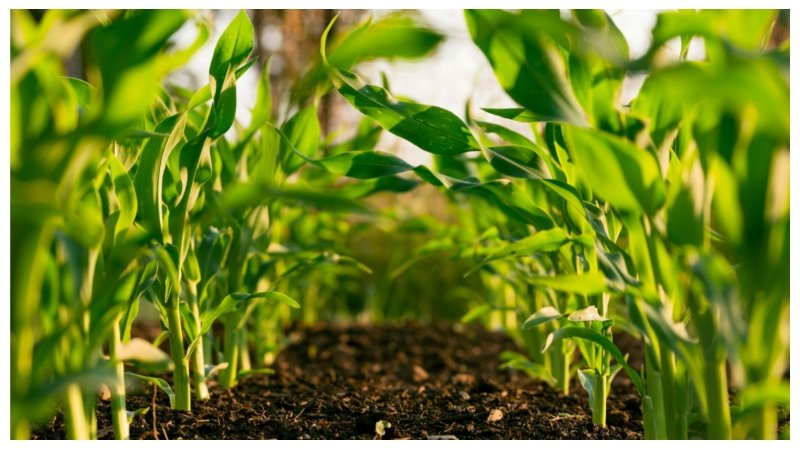
Farming looks very different today compared to just 10 years ago. It’s not just about growing crops anymore; it’s about automation, managing health, using water efficiently, controlling costs, and meeting market demand. This can feel overwhelming, but there’s no need to overhaul everything overnight. You only need to implement a few small, practical changes to enhance your farm’s performance.
This guide will explore some simple and effective farming practices that you can start using right away. Each practice focuses on improving productivity while ensuring your land remains healthy in the long run.
Focus on Soil Health First
Healthy soil is definitely the base of everything that you grow. If your soil is weak, your crops are going to struggle no matter what else you are doing. Start by testing your soil; you need to know what nutrients are missing and what needs to be adjusted.
Once you have that information, you can act with purpose rather than guessing. Add organic matter regularly, such as compost, crop residue, and farmyard manure; they all help to improve soil structure. They also support beneficial microbes that keep your soil alive.
Crop rotation is another simple but powerful method that you can use, too. When you grow the same crop repeatedly, that soil loses specific nutrients. Rotating crops helps to restore balance, and it also reduces pest build-up.
You should never ignore cover crops either; they protect your soil from erosion and improve fertility between growing seasons.
Use Water More Efficiently
Water management is becoming one of the biggest challenges in agriculture. You can’t afford to waste it. Switching to drip irrigation is one of the most effective changes that you can make for your farm; it delivers water directly to the roots, which reduces evaporation and runoff.
You should also water your crops at the right time each day. Early morning or late evening works best because less water gets lost to the heat of the day.
Mulching is another simple step, as it helps to retain moisture in the soil and keeps temperatures nice and stable. That means that you water less often, and you still get strong growth.
Rainwater harvesting is another consideration that you should make, too. Even small storage systems can support your farm during dry periods.
Choose the Right Tools for Daily Work
The tools that you use every day shape how effectively you get your work done. If your equipment slows you down, it’s going to cost you time and energy.
For example, managing overgrown vegetation around your farm can quickly become a big challenge. Using the right tool, like a bush trimmer, helps you keep pathways, boundaries, and unused areas clean without having to spend hours doing manual work.
You should also review your existing tools regularly. Are they actually doing the job they’re supposed to, and are they safe and easy to handle?
Upgrading even one or two tools can make your daily routine smoother, and that gives you more time to focus on craft management as well as future projects.
Adopt Simple Agri-Tech Solutions
You don’t need expensive machines to benefit from agriculture tech. Many useful tools are simple and affordable. Mobile apps can help you track things like weather conditions, market prices, and even pest alerts. With better information, you can make better decisions.
Soil moisture sensors are another good option for you to consider; they tell you exactly when your crop needs water, preventing both over-watering and under-watering.
You can also use basic farm management software to keep records. You should be tracking things like your expenses and inputs so that you can understand exactly what works and what doesn’t.
Start off small; pick one tool that solves a problem on your farm, and once you see its benefit, you can expand from there.
Reduce Waste and Improve Sustainability
Farming sustainably doesn’t mean reducing your output; it means that you should be using your resources wisely so that your land is able to stay productive for many years. Start by cutting down on chemical use where you can.
Integrated pest management helps you to control pests without relying only on pesticides. You can also reuse things like farm waste, such as crop residues, which can become compost, or animal waste that can be turned into manure.
Energy use is important too; this is something that you need to carefully consider. Solar-powered pumps are becoming more accessible and can help to reduce your costs long-term.
Even small steps like reducing plastic or using storage methods can have a lasting impact.
Build Strong Farm Planning Habits
Planning is often something that is overlooked, but it can have the power to change how your entire season goes. Before the season starts, outline what your plan is for growing, how much area you’re going to use, and what inputs you’re going to need. This helps you to avoid making last-minute decisions that can usually lead to higher costs.
Keep records of everything, too. This includes yields, patterns, pest issues, and expenses, as they all tell a story over time. These records help you spot patterns and improve your strategy. You should also stay connected with local markets; knowing demand helps you to decide what crops will be profitable. Don’t work in isolation; talking to other farmers, joining groups, or attending workshops can help give you ideas that you may not have considered yourself.
Conclusion
You don’t need to chase every new trend to improve your farm. What matters is choosing practical steps that fit your situation. Start off with your soil, make sure that you are using water wisely, and choose the tools that are going to save you time.
These changes may seem like they are small by themselves, but when they are pieced together, they help you to build a farm system that is more productive, more sustainable, and much easier for you to manage. Once you can see the results, you’ll start feeling more confident in making the next improvements too.