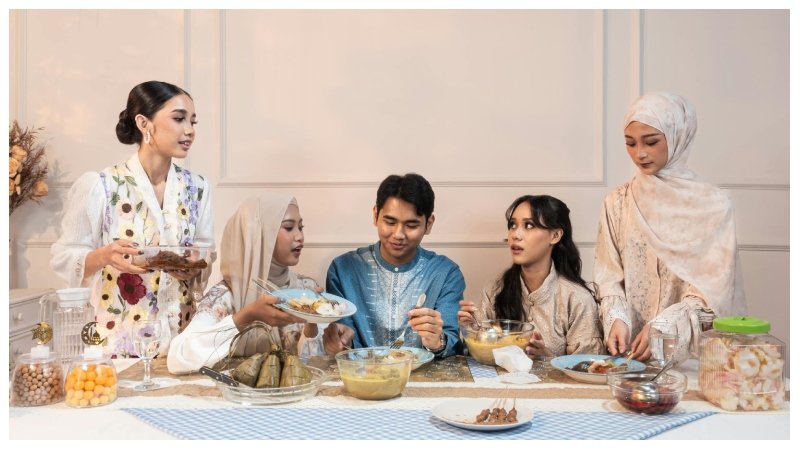
The Shift from Celebration to Consumption
Not long ago, celebrations felt simpler. People dressed up, visited relatives, shared food, and moved on with life. Now, almost every occasion comes with some kind of invisible checklist. Good venue. Good photos. Matching outfits. Decorations that look expensive enough to post online. Somewhere in the middle of all that, the actual meaning started getting buried.
That pressure exists across almost every type of celebration now. Weddings have become productions. Birthdays feel branded. Even religious holidays sometimes turn into competitions over presentation rather than connection. A lot of families spend weeks preparing for events they barely get to enjoy properly once they begin.
Social media obviously plays a role in this. Perfectly edited family pictures and heavily curated celebrations create unrealistic expectations. People compare ordinary moments to content designed for attention. Naturally, nothing feels “enough” after that. But interestingly, most memorable traditions are rarely the expensive ones.
Why Traditions Still Hold Value
A familiar family dinner during the holidays. Relatives sitting together after years apart. Children learning recipes from grandparents in overcrowded kitchens. Those are usually the moments people remember years later. Not the lighting setup.
Traditions matter because they give people a sense of continuity. Life changes quickly now. Jobs change. Cities change. People move away. Entire routines disappear within months. Rituals, even very small ones, create stability in the middle of all that movement.
The American Psychological Association has published research discussing how shared rituals help strengthen emotional bonds and reduce stress levels. People feel calmer around familiar traditions. Because in the end, there is comfort in repetition.
Different Religions, Similar Human Values
Despite their most obvious differences, many religious traditions share the same fundamental principles: thankfulness, charity, family, community, and patience.
Christmas get-togethers in Christian homes are sometimes more about reuniting family members after extended separations than they are about exchanging gifts. In Hindu cultures, Diwali festivities are a sign of renewal and hope. In Sikh tradition, Vaisakhi promotes service and unity.
Islamic customs and traditions follow similar principles. Many families choose charity and aiding people in need over lavish celebrations and spending or displays during Eid al-Adha. Meat distribution and community support are valued more in many homes than decorations or costly clothing. Cultural events like the Eid al Adha celebration serve as a constant reminder to people that charity is still important, particularly in these increasingly materialistic times.
Traditions continue to influence community relationships even in the absence of religion. That hasn’t changed at all.
Simpler Celebrations Are Becoming More Common Again
There has been a noticeable shift recently. More people are quietly stepping away from overcomplicated celebrations. Part of it is financial reality. Everything costs more now. But another part is exhaustion. Constant comparison online has made celebrations feel performative. Many people are tired of organizing events that look impressive but feel emotionally empty.
Smaller gatherings are becoming more common again. Fewer guests. Less pressure. More actual conversation. And honestly, simpler events often feel warmer.
A home-cooked dinner with close family members typically leaves a more lasting impression than a fancy location where half the guests spend the evening filming. Although that seems harsh, the majority of people these days undoubtedly feel that way.
Why People Remember Feelings More Than Presentation
Very few people look back on celebrations thinking about centerpieces or expensive décor. They remember who was there.
Childcenterpieces make noise in the kitchen. Relatives laughing too loudly. Someone telling the same family story for the tenth time. Familiar food being made the same way every year. Those details stay because they feel human and unscripted.
UNESCO has also spoken frequently about preserving cultural traditions because they strengthen identity and social connection across generations. That matters more today than it used to. Modern life is fast, heavily digital, and increasingly isolating. Traditions interrupt that for a while. Maybe that is why meaningful celebrations continue to last longer in memory than expensive ones. They are not built around performance. They are built around presence.